
Breaking into the crowded mobile‑app market is tougher than ever. With over 5 million apps available, getting on the “Featured” or “Editor’s Choice” list requires a deliberate, data‑driven strategy.
In this guide, we walk you through a proven, three‑phase marketing process that turns first downloads into long‑term, loyal users. Whether you’re launching a brand‑new app or breathing fresh life into an existing one, this playbook covers every step—from pre‑launch hype to post‑launch retention.
Phase 1: Pre‑Launch Awareness
1. Deep‑Dive Market Research
Before you even release a beta, understand the landscape. Identify your ideal user profile and analyze two to three direct competitors. Compare:
- App‑store rankings
- User experience
- Monetisation models
- Review sentiment
Use the insights to refine your value proposition and avoid past pitfalls. Then pivot to the user side: conduct surveys with tools like SurveyMonkey to capture likes, dislikes, demographics, and priorities. Convert the data into realistic buyer personas—see our free eBook, Create Buyer Personas That Work!
2. Build Hype Early
Create a dedicated landing page that reflects your app’s brand and includes a countdown timer. Optinmonster reports that a countdown can lift conversions by 8.6 %. Promote the page across all channels—social media, email, and paid outreach—while maintaining a unified visual language.
Leverage short, engaging video—87 % of consumers want more brand videos. 36 % prefer explainer content, and 14 % favor demos. A well‑crafted video can be a powerful pre‑launch teaser.
Phase 2: Launch‑Time Acquisition
1. App‑Store Optimisation (ASO)
Visibility starts with ASO. Use keyword‑rich titles, compelling screenshots, and an explainer video. In the Google Play example, the title already incorporates core keywords, boosting search rank by roughly 10 %. Remember each store’s guidelines: Google Play guidelines, App Store guidelines.
2. Burst Campaigns
During the first 48‑72 hours, launch a coordinated burst: paid ads, email blasts, limited‑time offers, influencer collaborations, and video outreach. A typical schedule looks like this:
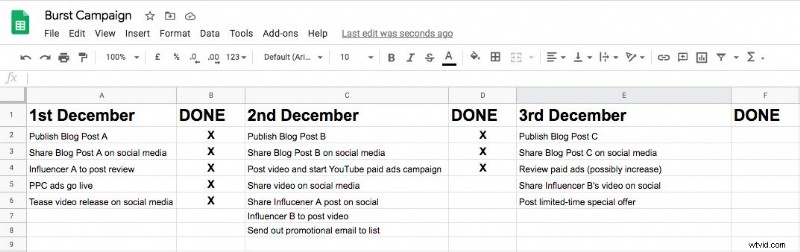
Best Fiends demonstrates how aggressive burst campaigns translate into downloads, while influencer marketing can yield a $5.20 ROI per dollar spent.
3. Pitch to Apple
Getting featured on the Apple App Store can catapult visibility. Craft a concise pitch that highlights:
- High ratings
- Stunning visuals
- Optimised metadata
- Zero bugs
- Native iOS integration
Submit through Apple’s pitch portal and watch the early‑adoption surge.
Phase 3: Post‑Launch Retention
1. Onboarding Excellence
First‑time users should instantly understand value. Use a short, animated demo that explains core features. 86 % of users say they’ll stay loyal to a brand that invests in onboarding.
2. Actively Solicit Feedback
Invite users to share their thoughts via in‑app prompts or surveys. This not only uncovers improvement areas but also signals that you value their voice.
3. Push Notifications
Well‑timed pushes cut through noise and increase engagement by 88 %. Use contextual, non‑intrusive messages to keep users returning.
4. Referral Programs
Turn satisfied users into advocates. Offer tiered rewards—like DuoLingo’s model—to incentivise sharing. Referred users enjoy a 37 % higher retention rate and are four times more likely to refer others.
Continuous Improvement
App marketing never ends. Iterate on acquisition tactics, refine ASO, test new onboarding flows, and keep your community engaged. The more you invest in data‑backed strategies, the higher your app’s chances of long‑term success.

Adam, Head of Content at Wyzowl, leads a fearless team of writers. His expertise lies in video, growth marketing, and brand storytelling.