
Last updated on 10th January 2024
First impressions in mobile apps set the tone for user loyalty. The minutes immediately after a download determine whether a visitor becomes a devoted user or deletes the app. A polished, engaging onboarding flow is therefore essential for retention and long‑term success.
In this guide we outline ten evidence‑based best practices, illustrated with real‑world examples from leading apps such as Headspace, Among Us, Calm, and Word Serenity.
1. Grab attention with a video
With an average of 46 push notifications per day, smartphone users are constantly competing for attention. Video delivers that attention while also teaching users how to use the app efficiently.
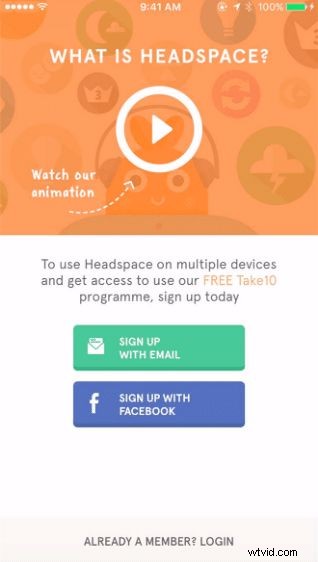
Our recent onboarding survey found that 65% of users prefer video for learning a new product and 97% agree it’s an effective welcome tool. Headspace’s launch screen demonstrates this power: a short, animated video introduces meditation, the brand tone, and key features right from the start.
2. Keep it quick
Mobile users have short attention spans and face many distractions. A lengthy onboarding sequence can lose users before they even begin using the app.
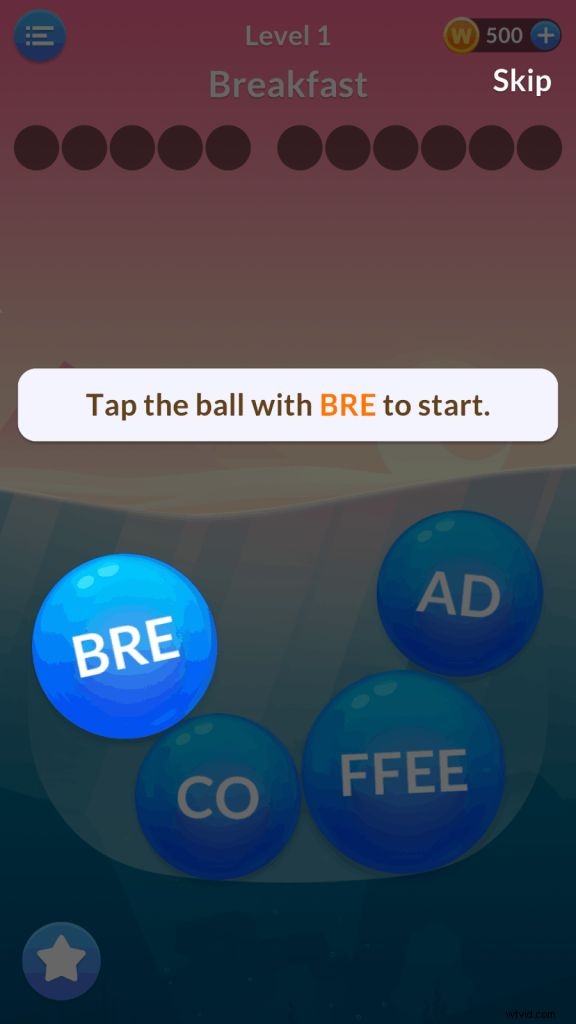
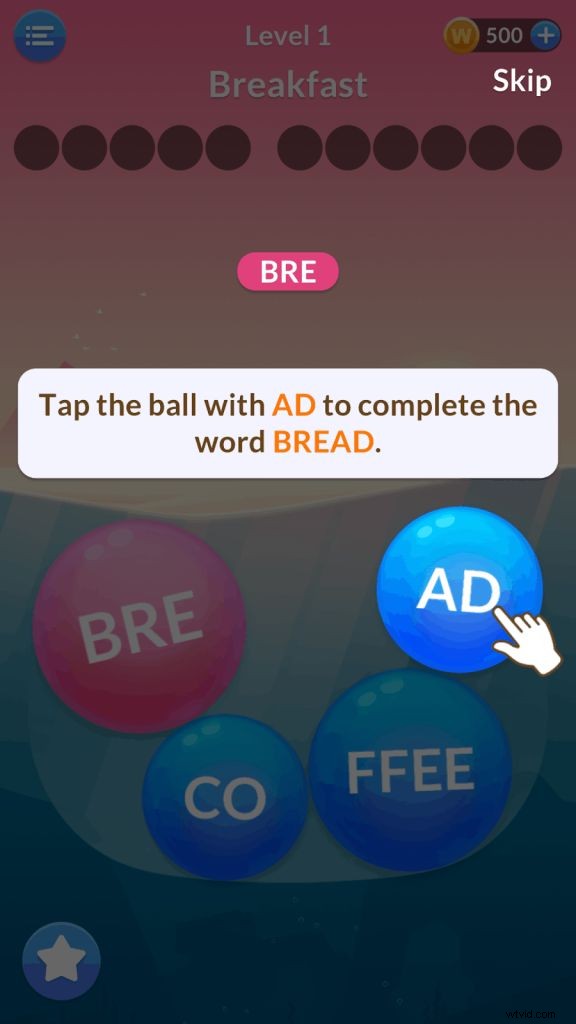
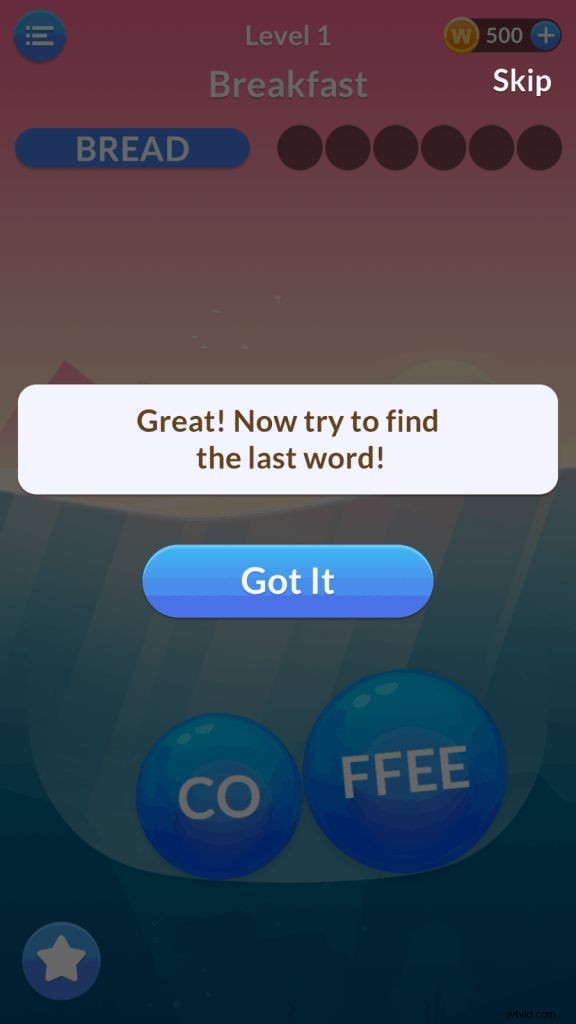
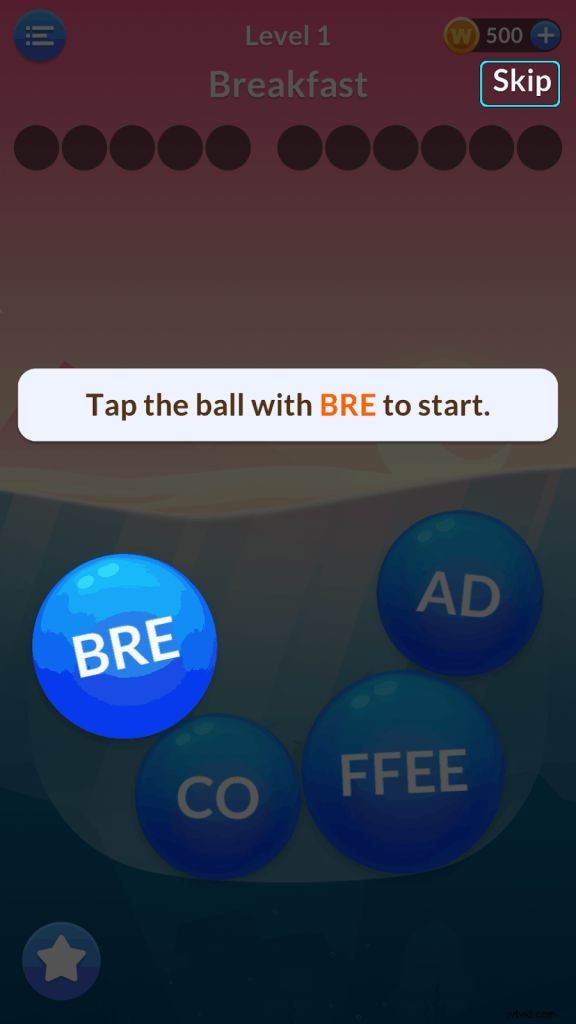
Focus on three to five core features and present them in a concise, step‑by‑step format. Word Serenity’s three‑screen flow shows exactly how the game works and lets users dive in immediately.
3. Be consistent in your branding
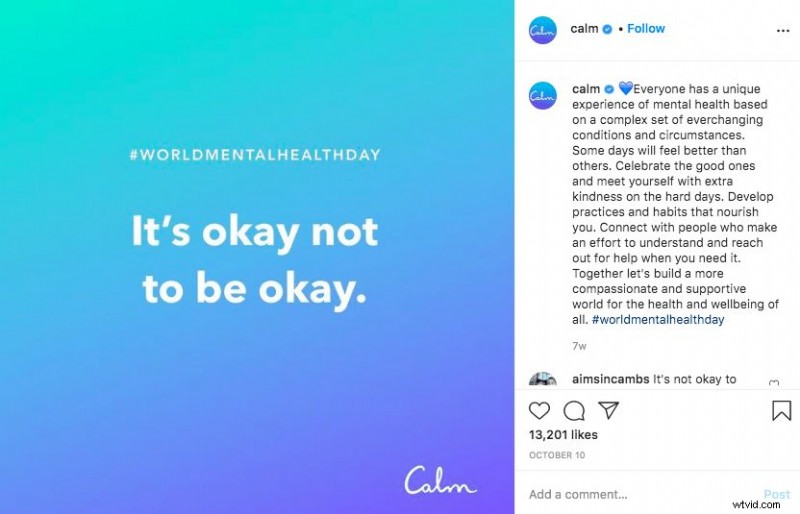
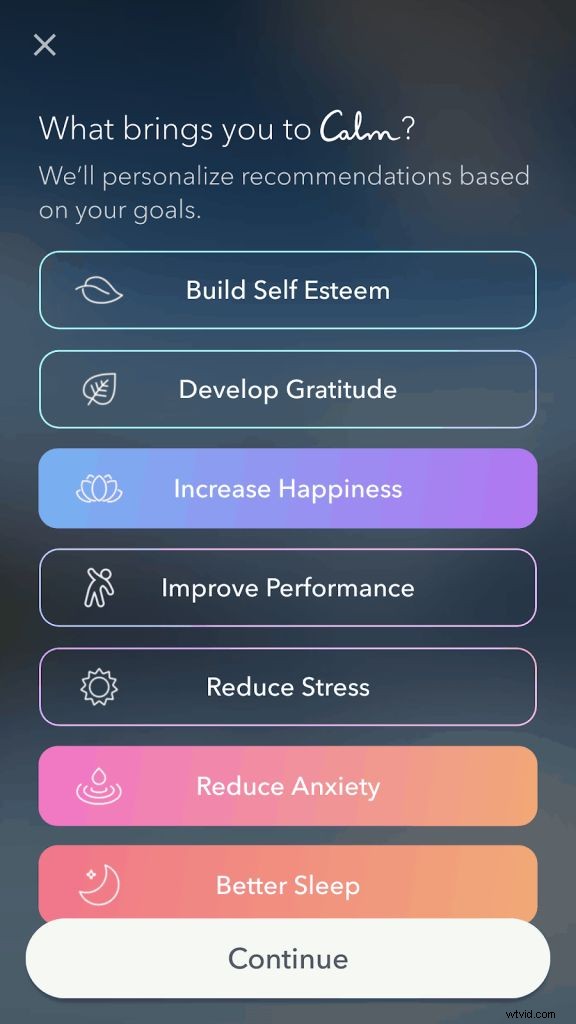
Consistent branding boosts revenue by up to 33% and increases brand recognition by 80% when a signature colour is used. Calm’s onboarding screens maintain a calming gradient and tone throughout, reinforcing the app’s core promise of relaxation.

4. Highlight your value upfront
With over 80 apps installed on a typical device but only 9 used daily, users need to see value immediately. Boosted’s first screen tells users how the app enhances productivity, cutting through the noise.
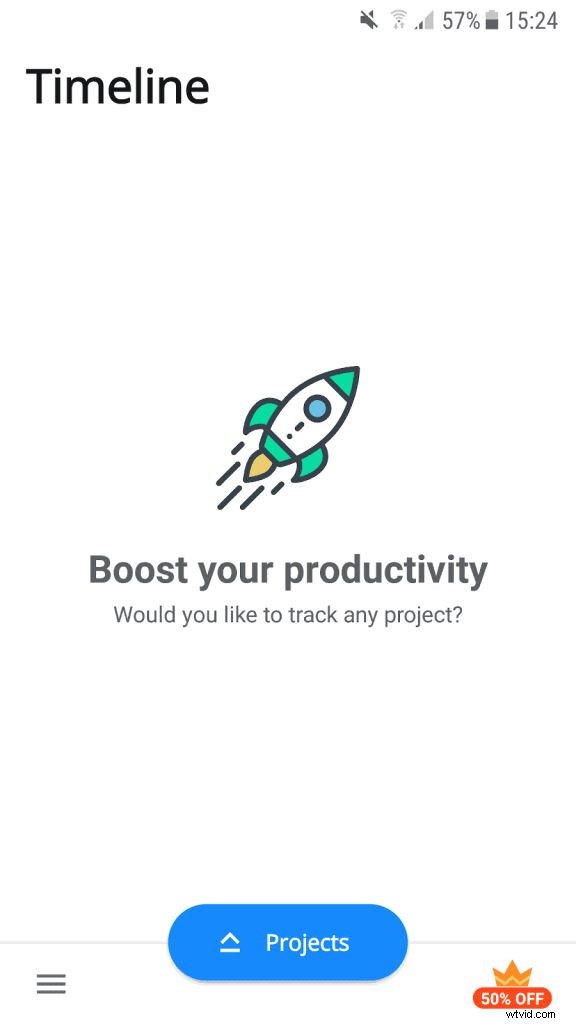
Clear value propositions reduce uninstall rates, as users who don’t see a benefit are more likely to delete the app.
5. Make it fun
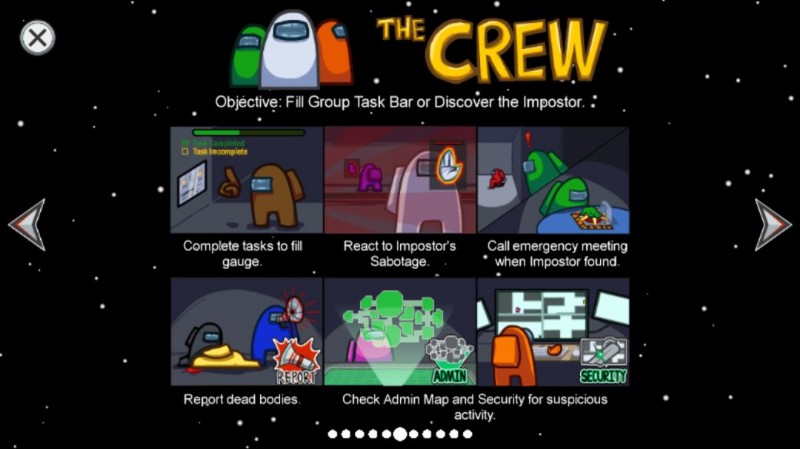
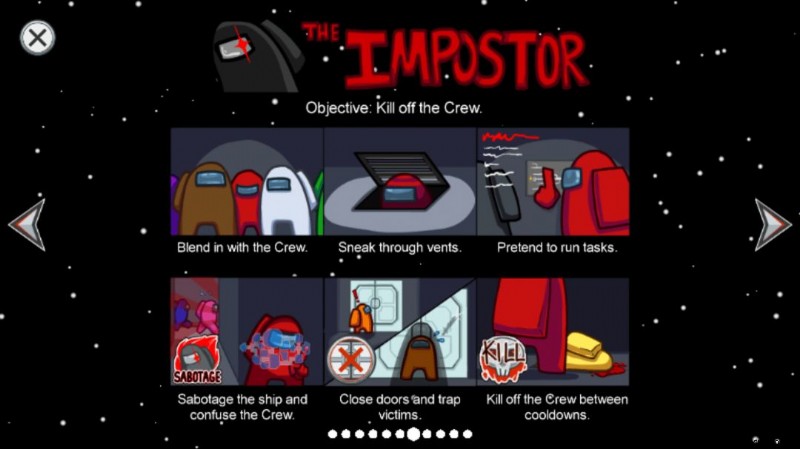
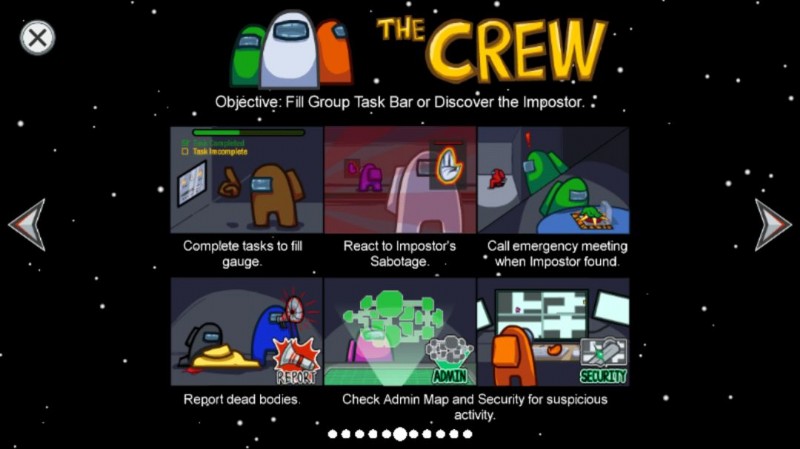
Onboarding should feel enjoyable, mirroring the overall user experience. Among Us uses comic‑style illustrations and playful copy to explain gameplay, creating excitement right from the start.
6. Allow for personalisation
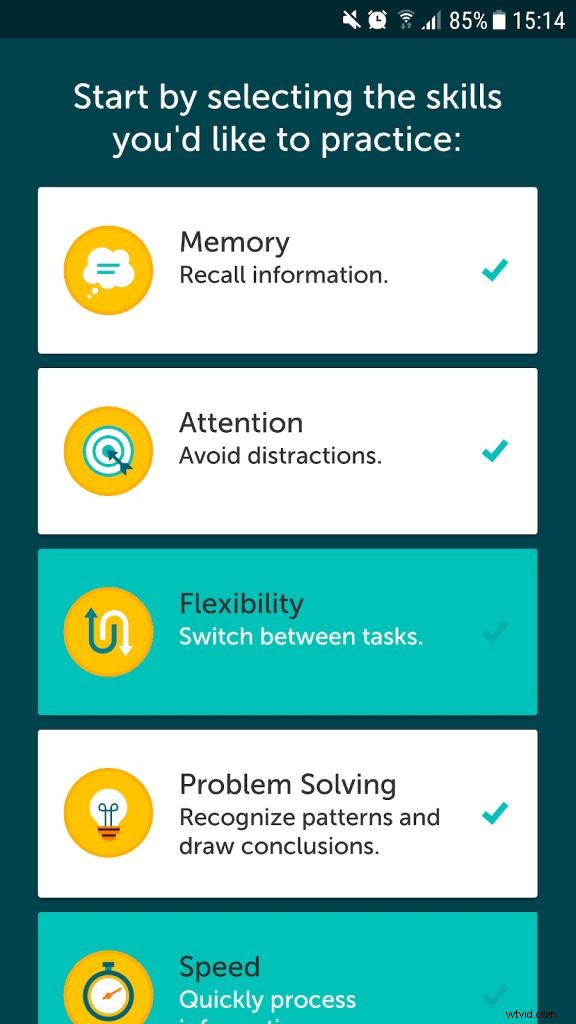
Personalised experiences increase long‑term engagement. Lumosity’s onboarding lets users set goals and preferences, ensuring the app feels tailored from day one.
7. Make it optional
Not every user needs a walkthrough. Offering a skip button respects tech‑savvy users and returning customers, improving overall satisfaction.

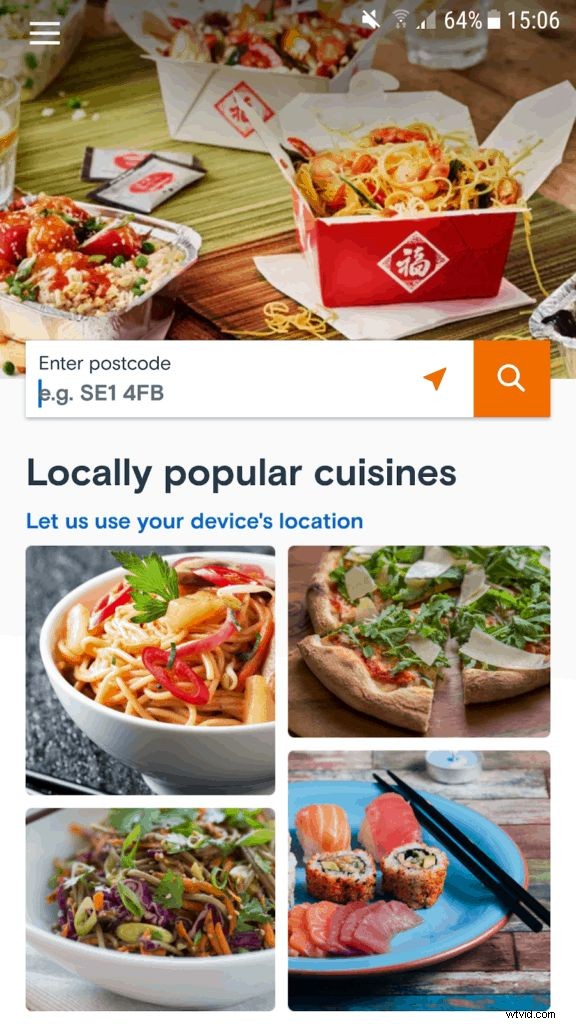
8. Only ask for what you need
Collecting only essential data during onboarding prevents friction. JustEat requests only a postcode to deliver local restaurant options, deferring address and payment details until a purchase is made.
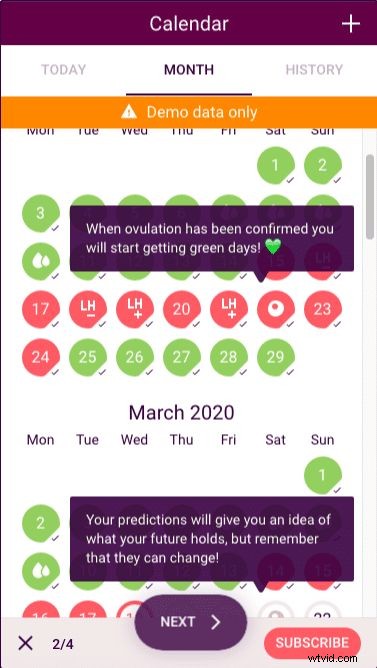
9. Use annotations
Annotations guide users through key features while letting them explore at their own pace. Natural Cycles demonstrates this with a demo account and contextual tips.
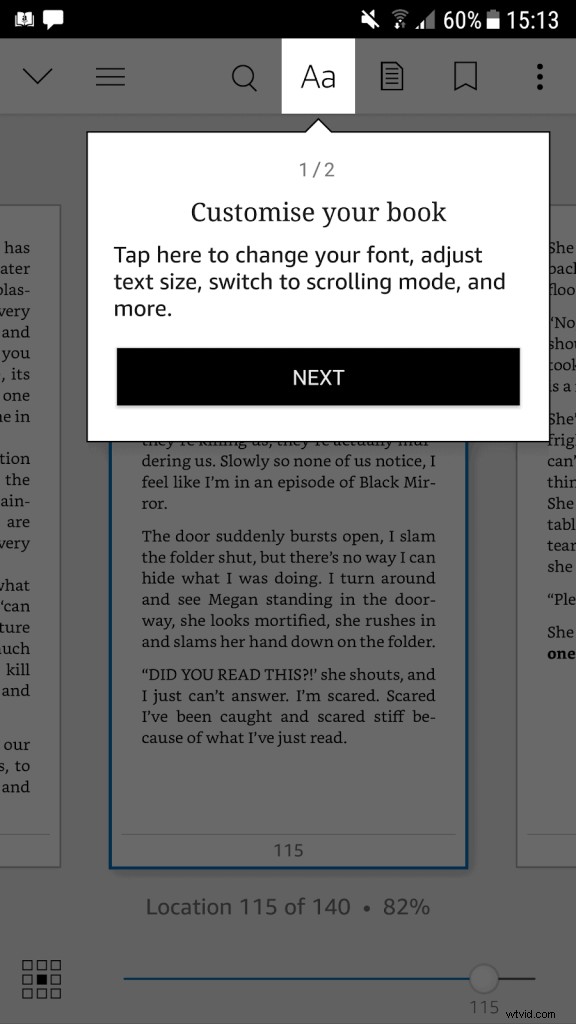
10. Make it progressive
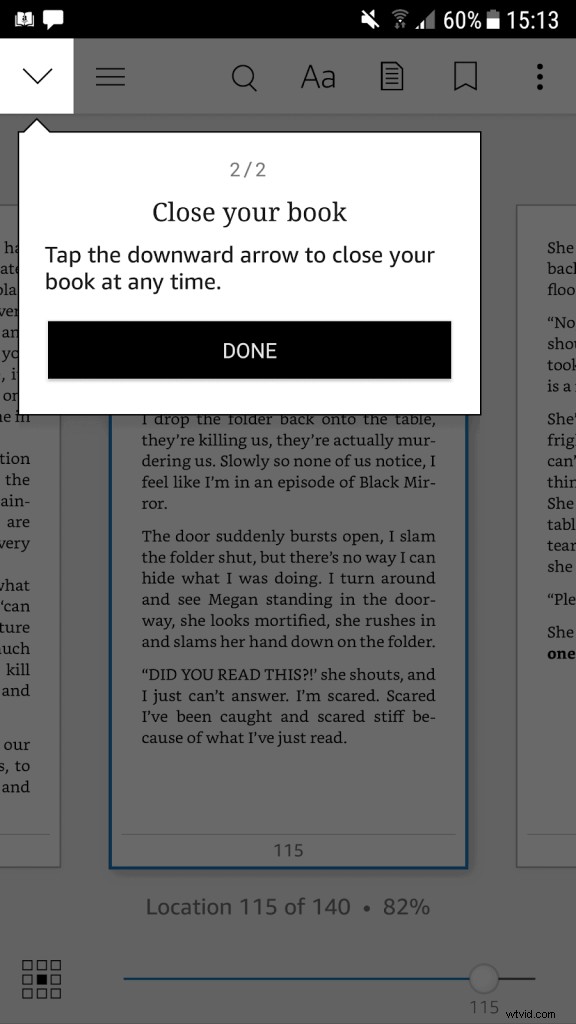
Breaking onboarding into digestible steps keeps users engaged. Progress indicators, such as dot rows in Among Us or message counts in Kindle, let users see how far they’ve come.
Final thoughts
First impressions matter. With our extensive experience creating onboarding videos for clients worldwide, we can help you craft an onboarding flow that turns downloads into loyal users.