
Motion blur definition
This effect should not be confused with the camera shake or shutter shock, which could also result in fuzzy or ghosted images. It is different because it is deliberate and is meant to be well-visible.
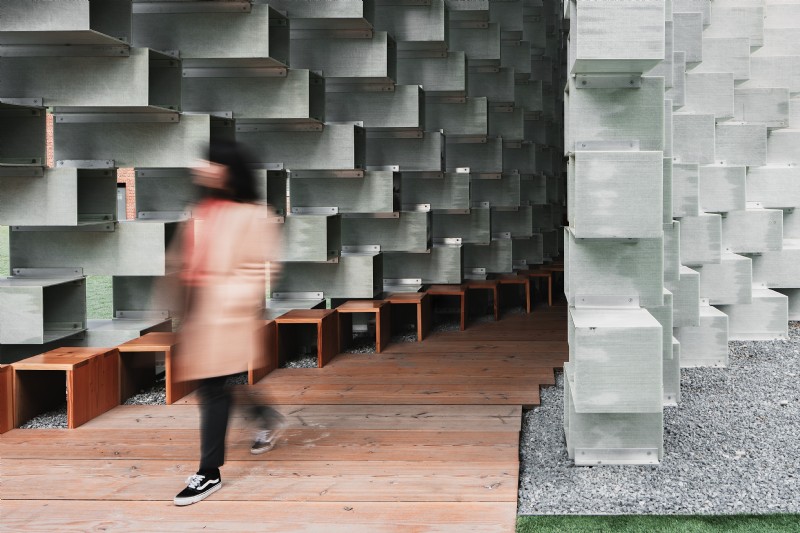
Often, this effect is used in sports or street photography or when shooting nature scenes where we need to capture speed or some movement. However, there are dozens of other motion blur photography ideas, starting from surreal or dramatic photos to nostalgic or cinematic-like ones.
How to capture motion blur
To make a motion blur photo you will need to know a bit about how your camera works, mainly about shutter speed, aperture, and ISO. To cut a long story short, you will need to use a slower shutter speed, smaller aperture, lower ISO, and take care of stabilization.
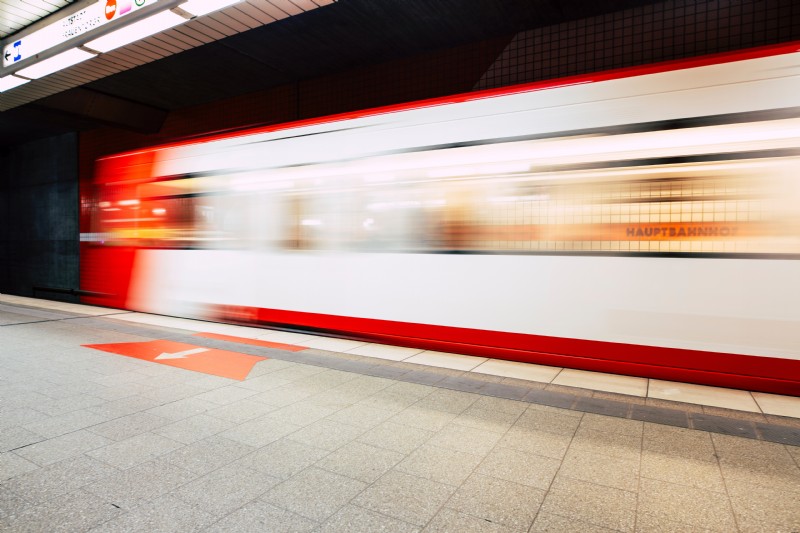
Let’s have a deeper look at those settings and how exactly they need to be adjusted.
Shutter speed
Shutter is the most important point. As a rule, you use a faster curtain to freeze the action and have a sharp and detailed image. For a motion blur effect, you will need to make the curtain slower to get a fuzzy moving subject.
It is hard to define the exact stop you need, it depends as much on the speed of your subject. The slower the movement, the longer the value should be set. You can start with 1/125 for a moving car and go up to 30-60 seconds for light trails or waterfalls. The bulb mode can become another great setting to experiment with when making such photos.
Aperture
As you can guess, a slower shutter speed will result in more light reaching the sensor which can make your photo way too bright. Thus, in order not to overexpose the image, you will need to narrow the aperture to reduce the exposure. Or you can shoot in low-light situations, for example dark rooms or at night.
ISO
An additional option to prevent overexposure is to also keep your ISO low. The value of 100 should be absolutely enough for a sunny day.
Tripod
And the last, but not least condition for a great motion blur photo is to have a stable camera, that is, use a tripod. Otherwise, your whole image will be blurred, not just the moving object.
Additionally, don’t forget to play around with some editing techniques to create a particular atmosphere and emphasize the movement in your photos.