
- Exposure meaning
- How aperture affects exposure
- How shutter speed affects exposure
- How ISO affects exposure
Exposure meaning
It determines how bright or dark the final image will be. When you let too much light in, the photo will be overexposed or too bright. When there is little light, the picture will be underexposed, in other words, too dark.
Your goal, as a photographer, is to balance the amount of light, so that to get a correctly exposed photo — one that has the proper amount of brightness to capture all the details you need. You can do this using the following settings that affect the camera exposure — aperture, shutter speed, and ISO. These three so-called pillars of photography are also referred to as the exposure triangle.
How aperture affects exposure
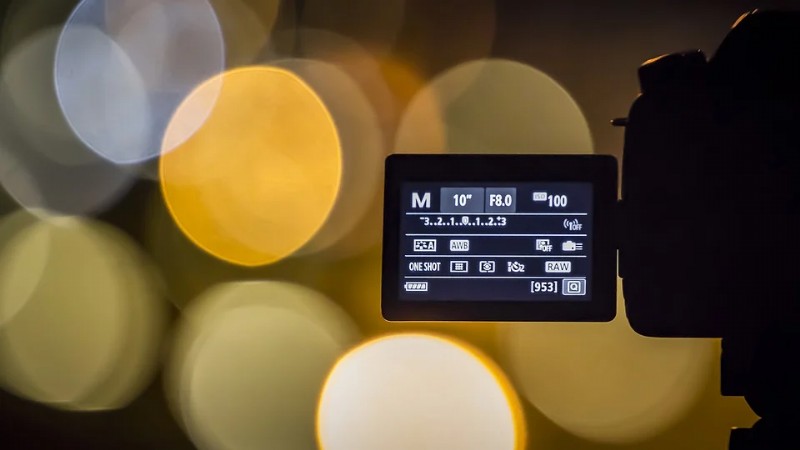
The aperture describes how large the lens opening is. And it is one of the most essential mechanisms to control how much light reaches the sensor. It is represented as f/number, for example, f/1.4, f/2, f/4, and so on.
An aperture of f/1.4 indicates a larger lens hole and more light can reach the sensor. That means that the final image will be brighter. F/22, on the contrary, allows less light in and makes the picture darker.
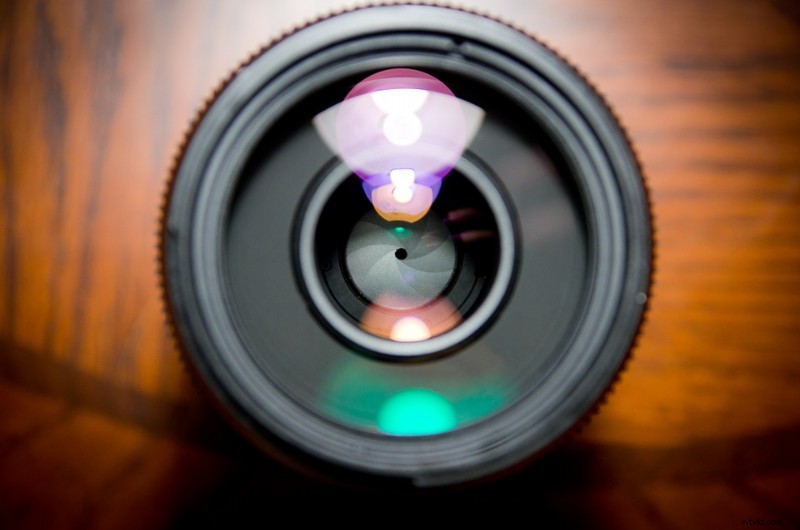
The trick is that this mechanism is responsible not only for the brightness but also for the depth of field, that is what will be in focus. When you open the lens, you create a shallow depth of field. This looks great in close-up photography or portraits, as your subjects are sharp, while the backgrounds are blurry. A narrower aperture makes a larger range of the picture sharp.
So, imagine that you are taking a portrait photo. If you widen the opening to make your image brighter, you might lose that stunning depth of field effect. Luckily, there is another option for controlling the amount of light.
How shutter speed affects exposure
The camera shutter also directly affects how much light the sensor gets. If it moves fast, at 1/1000s speed, then less light enters the camera and the photo can be too dark. If it is slow, like 2s, the light will have more time to get to the sensor and your image will be lighter.
But there is always a “but”. This mechanism also defines the sharpness of the photograph. A faster shutter helps capture moving subjects, like athletes, birds, various flows, and so on. A slower one is good for landscapes or still objects, as well as low-light conditions. Moreover, the latter requires proper stabilization, like tripods or gimbals.
So, if you decide to add more light using a slower shutter, the image might become blurry, either because your subjects move or the camera shakes. Is there anything else to control the brightness?
How ISO affects exposure
ISO can be another parameter to change. It doesn’t actually alter the amount of entering light, but just determines the sensor sensitivity to it. That is why ISO is technically not included in the exposure definition.
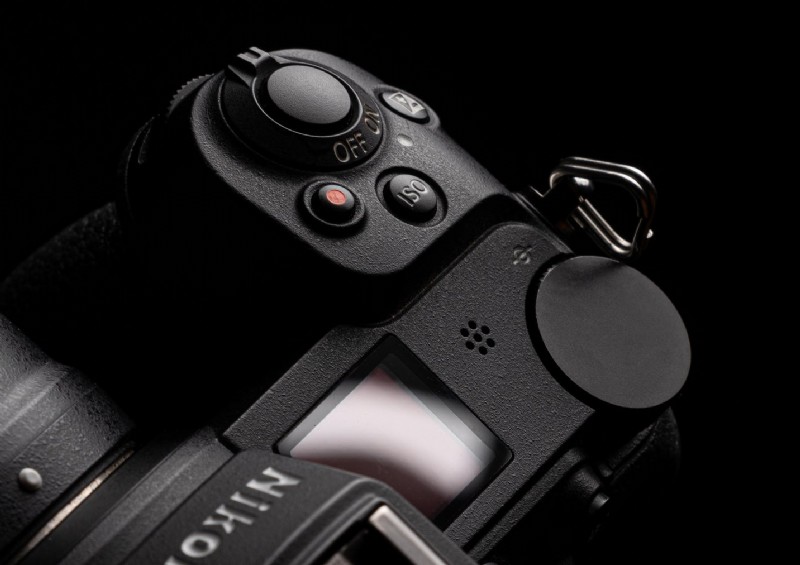
You can try increasing ISO if nothing else works. However, remember that this will also add “noise” or “grain” to your photo.
To sum up, the exposure triangle is a complex counterbalancing system that determines for how long (shutter speed) how much light (aperture) is reaching the lens, and how sensitive it is to this light (ISO). Сhanging one of these parameters can fix the brightness that gives you the advantage of shooting well in almost any environment.