
Bulb mode explained
As a rule, DSLR cameras have a 30-second shutter speed limit. However, most devices also provide the so-called bulb mode that allows keeping the curtains open for as long as you hold down the button.
When would this setting be helpful? It is perfect for taking photos in a very low-light environment or with an amazing light streaks effect. If you need marvelous images of star trails, flashes of lightning, fireworks, night streets or you would love to try painting with light, then you should look for the camera bulb mode.
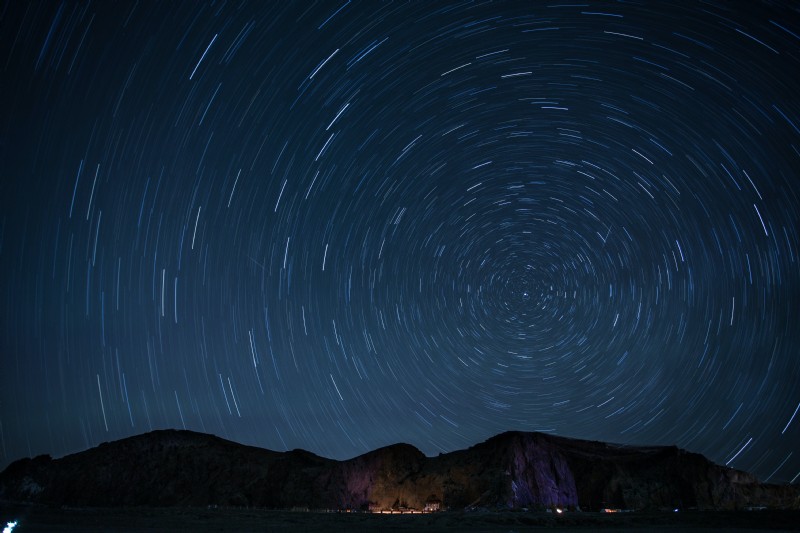
Where to find the bulb mode on your camera
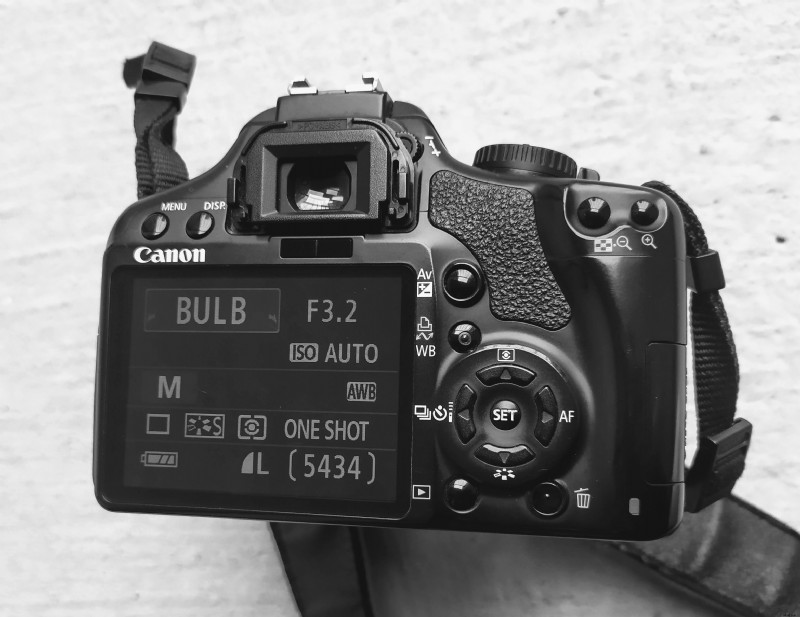
Usually, you can access this setting while in the “Manual” shooting program, or “M”. After you select it, keep rotating the dial for the shutter speed value all the way up to 30 seconds until you see “Bulb” or B.
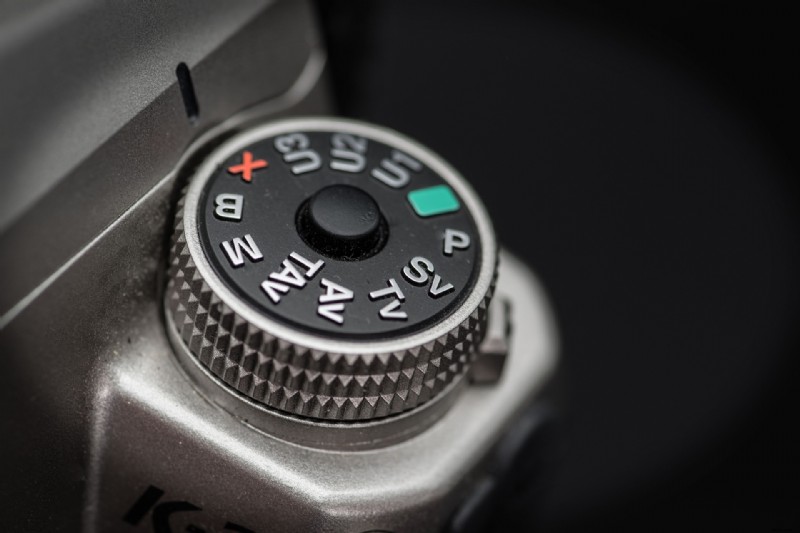
In some cameras, you can find this control right on the mode dial, as a “B”.
How to use the bulb mode
When the bulb setting is selected, you can now use a very slow shutter speed for as long as you hold down the release button.
A few moments to remember about: long exposure photography always needs a very stable tripod and a cable or wireless remote switch to avoid camera movement, hence blurry images.
For an extremely slow shutter, an additional lock or time feature in your remote release could also be very helpful. Thus you won’t need to physically hold down the button all the time. You will be able to start and finish the exposure with a click when you think the picture looks about right.
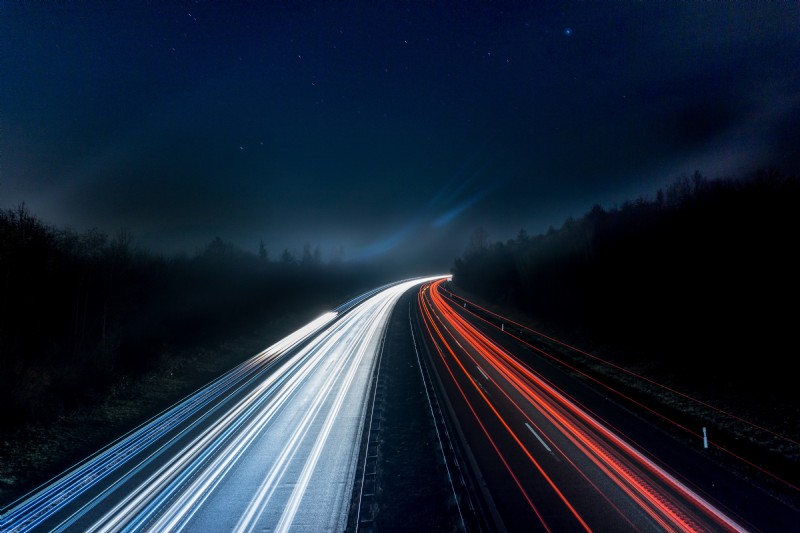
Extreme long exposure is widely used in artistic photography. It lets you turn the light into something mysterious and magical.
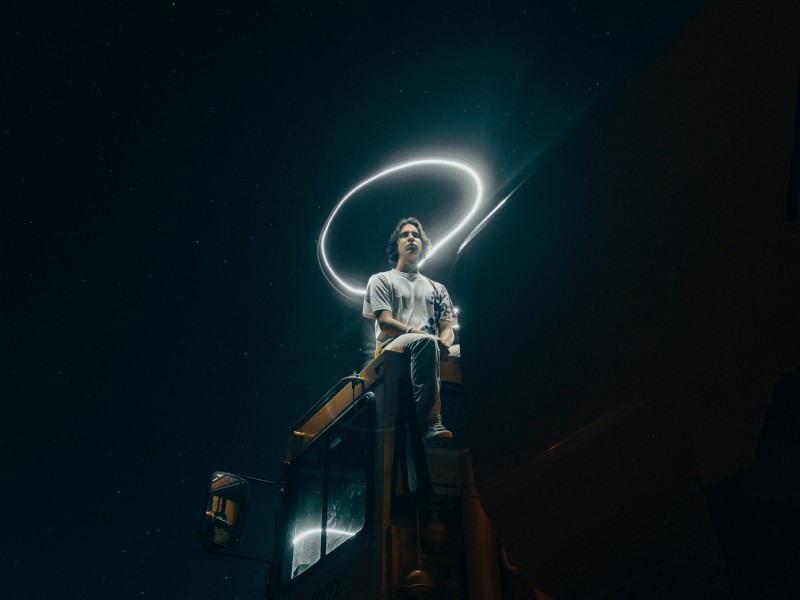
Very often such images are enhanced with filters or other post-editing techniques to make them look more impressive or dramatic. Don’t be afraid to experiment with various camera controls to not only capture but also create new worlds.