
As 2025 unfolds, the lingering winter light is giving way to spring’s promise, offering the perfect backdrop for new photographic adventures. Whether you’re unpacking a fresh camera set under the holiday tree or fine‑tuning a kit after a January sale, the choice of gear can feel daunting. This guide cuts through the noise, presenting a clear, expert‑curated path to assembling a beginner’s kit that balances affordability, versatility, and future‑proofing.
By the end of this article you’ll know how to select a camera body, lenses, and essential accessories that grow with you. You’ll avoid common pitfalls such as over‑complicating your setup or overspending on gear you’ll never use. Instead, you’ll embrace a streamlined, practical approach that empowers you to capture cherished memories, stunning landscapes, and creative portraits with confidence.
Camera Body: Choosing the Right Entry‑Level DSLR or Mirrorless Camera
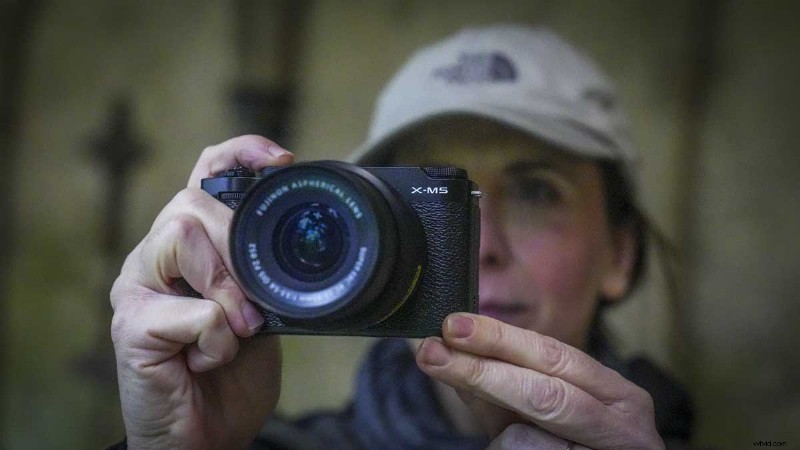
A solid camera body is the cornerstone of any beginner’s kit. It should be intuitive, reliable, and adaptable as your skills evolve. In 2025, the Sony ZV‑E10 II and Fujifilm X‑M5 stand out as top mirrorless options. Both deliver excellent image quality, user‑friendly controls, and guided shooting modes that demystify exposure and composition. Their interchangeable lens systems mean you can expand your creative palette without changing the entire body.
For those who prefer a DSLR, the Nikon D5300 remains a dependable choice, offering a familiar workflow and a wealth of legacy lenses.
- Recommendation: Fujifilm X‑M5 or Sony ZV‑E10 II
- Key Features to Look For: Interchangeable lenses for versatility, built‑in Wi‑Fi/Bluetooth for easy sharing, and an articulating or tilting screen for creative framing.
Kit Lens: Your First Lens
A kit lens provides a cost‑effective introduction to a range of focal lengths. The standard 18‑55mm (Sony) or 16‑50mm (Fujifilm) zoom covers wide‑angle to short‑telephoto, making it suitable for landscapes, portraits, and everyday moments. While it may lack the advanced features of higher‑end lenses, it offers a solid foundation for learning focus, depth of field, and composition.
- Recommendation: 18‑55mm / 16‑50mm kit lens (usually bundled with the camera).
Memory Card: Don’t Run Out of Space
Reliability starts with storage. The Lexar Professional SILVER PLUS SDXC UHS‑I 256GB card delivers fast write speeds, reducing buffer delays and ensuring smooth video capture. Investing in a high‑quality card means you can focus on creativity without worrying about losing shots.
Recommendation: Lexar Professional SILVER PLUS SDXC UHS‑I 256GB
Tripod: Stability for Sharp Shots
A sturdy tripod is essential for long exposures, low‑light photography, and precise composition. The 3‑Legged Thing Punks Billy Tripod offers lightweight portability and robust build, making it ideal for beginners on the move. With a tripod, you open doors to time‑lapse, star trails, and macro work.
Recommendation: 3‑Legged Thing Punks Billy Tripod
Camera Bag: Protection and Portability
Safe storage keeps gear safe and organized. The Vanguard VEO R48 Adapter Backpack features padded compartments, additional pockets for accessories, and a customizable interior. Its lightweight design and comfortable straps make it a dependable travel companion.
Recommendation: Vanguard VEO R48 Adapter
Spare Battery: Stay Powered Up
A backup battery is a must‑have. The SmallRig NP‑FZ100 (compatible with Sony) is a compact, manufacturer‑approved option that delivers reliable performance on long shoots. Other manufacturers have equivalent SmallRig batteries to suit their systems.
Recommendation: SmallRig NP‑FZ100 for Sony users – SmallRig offers similar batteries for most brands.
Cleaning Kit: Maintenance Made Easy
Regular cleaning preserves image quality and extends equipment life. The Giottos Rocket Air Blaster safely removes dust, while a microfiber cloth ensures streak‑free lens and sensor care. Consistent maintenance pays off with sharper, cleaner images.
Recommendation: Giottos Rocket Air Blaster + microfiber cleaning cloth.
Additional Accessories to Consider
External Flash
An external flash, like the Godox iM30, offers greater control over lighting compared to built‑in units. Adjustable power and direction help reduce harsh shadows and achieve natural portraits or event lighting. It’s a beginner‑friendly tool that introduces the fundamentals of lighting techniques.
Recommendation: Godox iM30 Flash.
Filters
Filters expand creative possibilities. A circular polarizer such as the Haida Pro II CPL cuts glare and enhances color saturation, while a variable ND filter (e.g., K&F Concept True Color) lets you control exposure in bright conditions for effects like silky water or motion blur.
Recommendation: Haida Pro II CPL or K&F Concept True Color Variable ND.
Editing Software
Post‑processing completes the photographic workflow. Adobe Lightroom offers a powerful yet intuitive suite for both novices and professionals, while Snapseed provides a free, mobile‑friendly option for quick edits. Mastering either platform empowers you to refine exposure, color, and detail.
Recommendation: Adobe Lightroom (subscription) or Snapseed (free).
Quick Tips for Beginners
Start Simple: Focus on mastering shutter speed, aperture, and ISO before experimenting with advanced modes. This foundation builds confidence and prevents unnecessary gear clutter.
Practice Composition: Use the rule of thirds, leading lines, symmetry, and varied angles to create engaging images. Experimenting will sharpen your visual storytelling.
Join a Community: Engage with online forums, social media groups, and local clubs to exchange feedback, stay motivated, and discover new techniques.
Want deeper insight into camera basics? Check out our feature for absolute beginners—it breaks down terminology and gear fundamentals.
Tell Us About Your 2025 Photography Adventure
Ready to start shooting? Share your favorite beginner’s kit on Instagram using #CameraJabberTips. For more guides and gear reviews, explore our tutorials today!