
Tutorial
What is Headshot Photography?
Ali Jennings
Camera Jabber Author
Published: 16th May 2023
Headshot photography is a focused form of portraiture that captures a person’s face, usually from the shoulders up. These images serve as a professional “calling card” in corporate sites, acting portfolios, and social media profiles, conveying personality, professionalism, and approachability in a clear, flattering manner.
Actor Headshots
For actors, a headshot is the first impression casting directors see. It must reveal the actor’s unique character, charm, and range while maintaining high resolution to highlight detail. The best headshots capture the breadth of roles an actor could embody, making them indispensable tools for an acting career.
Corporate Headshot Photography
Corporate headshots aim to project a polished, brand‑aligned image. They typically feature a neutral background, balanced lighting, and formal attire. While personality still shines through, the overall tone reflects the company’s ethos and professional standards.
- See our in-depth guide to Photography for Beginners for more techniques and jargon-busting.
Tips for Better Headshots
Whether you’re a pro or a hobbyist, these guidelines help elevate your results:
- Focus on the eyes: sharp, clear eyes bring life to the portrait.
- Use diffused light: soft, even illumination reduces harsh shadows.
- Choose the right lens: a medium telephoto (85‑105mm) flatters facial proportions.
- Keep the background simple: a plain or subtly blurred backdrop keeps attention on the subject.
How to Take Modeling Headshots
Modeling headshots benefit from creative flair and edge. Follow these steps for striking images:
- Use dramatic lighting: sidelight or backlight can create interesting shadows or halo effects.
- Experiment with angles: move beyond straight‑on to highlight unique features.
- Encourage varied expressions: showcase range to demonstrate versatility.
- See our guide to the Best Lenses for Portraits.
How to Take Professional Headshots at Home
Professional‑looking home shots are possible with careful planning and the right gear:
- Find a well‑lit spot with natural light and a simple backdrop.
- Set up your camera on a tripod at eye level.
- Use a timer or remote to avoid camera shake.
- Dress to match the image you want to project.
- Edit subtly: adjust lighting, crop, and touch up minor imperfections.
How to Take a Good Professional Headshot
A high‑quality headshot blends technical skill with personality:
- Lighting: natural or soft artificial light to avoid harsh shadows.
- Background: neutral and uncluttered.
- Composition: center the subject and focus on the eyes.
- Expression: a relaxed, genuine smile fosters approachability.
- Post‑processing: minimal retouching to preserve natural appearance.

How to Take Corporate Headshots
Key elements for corporate imagery:
- Dress appropriately for the industry.
- Choose a neutral backdrop.
- Use soft, even lighting.
- Pose with confident yet comfortable posture.
- Keep editing minimal to maintain authenticity.
How Much Does Headshot Photography Cost?
Pricing varies by photographer experience, location, and services such as retouching, makeup, or hairstyling. Typical sessions range from £100/$100 to £500/$500, with premium rates in high‑end markets.
How to Start a Headshot Photography Business
Launching a successful venture involves:
- Developing strong photography and editing skills and investing in quality gear.
- Drafting a detailed business plan covering target market, pricing, marketing, and finances.
- Building a robust portfolio that showcases diverse headshot styles.
- Marketing through a professional website, social media, networking, and paid ads.
How Much Should I Charge for Headshot Photography?
Determine rates based on experience, operating costs, market competition, and work quality. Research local competitors and consider tiered pricing for retouched images or session length.
How to Advertise Headshot Photography
Effective promotion blends online and offline tactics:
- Optimize a professional website for SEO.
- Leverage Instagram, Facebook, and LinkedIn to showcase work.
- Attend industry events and join local business groups.
- Implement a referral program to incentivize word‑of‑mouth.
- Run targeted paid campaigns on Google Ads or social media.
What is an APS‑C CMOS Sensor?
APS‑C CMOS sensors are foundational in modern mirrorless and DSLR cameras, offering a balance of resolution, dynamic range, and speed. Understanding sensor types helps photographers choose gear that aligns with their creative goals.
A Guide to Affordable Yet Versatile Gear for New Photographers
Selecting the right accessories can be as important as the camera body. This guide explores budget‑friendly options that deliver professional results for beginners and seasoned shooters alike.
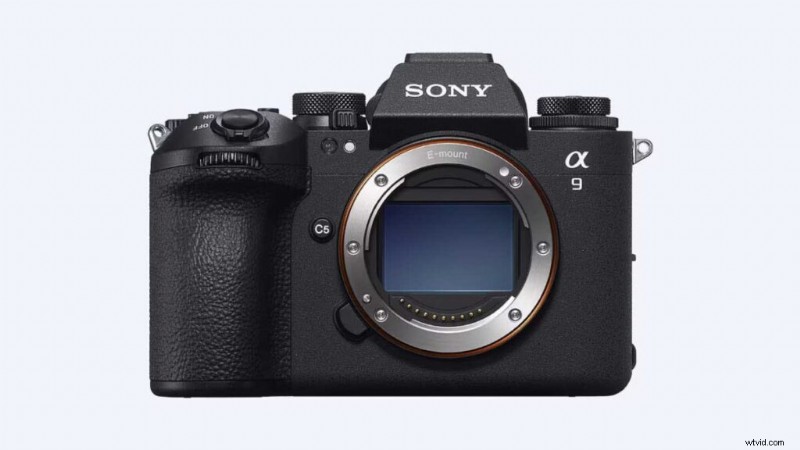
Essential Camera Kit for Beginners in 2025
As we move into 2025, new features and technologies continue to shape photography. This kit recommendation helps newcomers equip themselves with versatile tools.
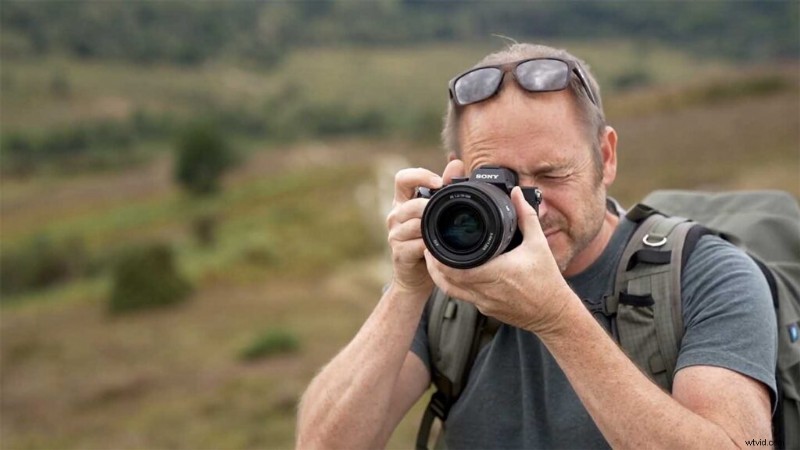
Beginner’s Photography Guide: Getting to Know Your Camera
Smartphones are great, but a dedicated camera unlocks creative possibilities. This guide helps users transition from mobile to full‑frame or mirrorless systems.
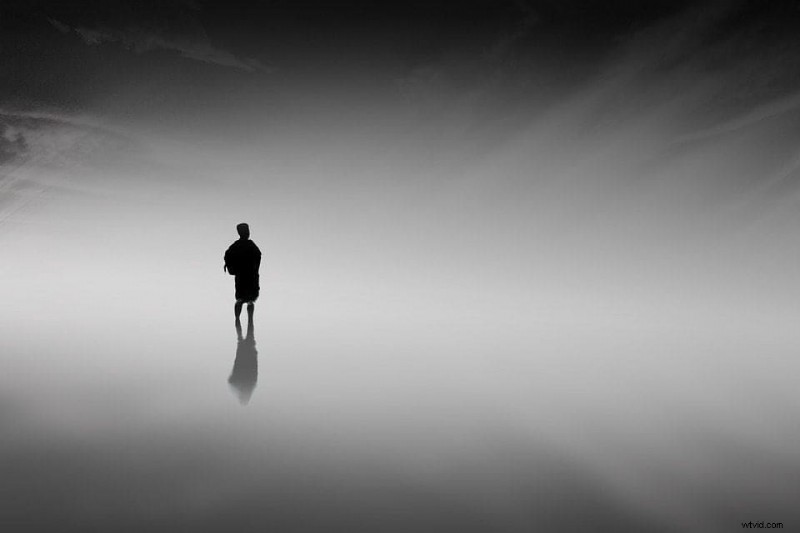
Minimalist Photography Explained
Minimalist photography focuses on simplicity, negative space, and clarity. Learn techniques to create striking images with a clean aesthetic.
Electronic Shutter vs Mechanical Shutter: Differences Explained
Compare the pros and cons of electronic and mechanical shutters to decide which suits your shooting style and equipment.
What is a Global Shutter (and How Does it Work)?
Global shutters capture the entire frame simultaneously, eliminating motion blur. Understand how this technology can benefit action photography.
How to Choose the Right Camera
Choosing a camera is a pivotal decision. This section guides you through factors like sensor size, lens ecosystem, and future‑proofing to match your evolving skills.