
Over the past several months I’ve taken the OM‑3 everywhere I go—from the islands of the Philippines to French Polynesia, across New York City, and most recently, the rain‑soaked streets of San Francisco.
Rather than a technical review, I want to share what it’s like to live with this camera. How does it fit into my daily workflow? Does it inspire me to bring it further afield? And most importantly—does it spark my creative impulse?
A Familiar Feeling
The OM‑3 feels deeply familiar. For four years I carried the first mirrorless camera in my life, the Olympus OM‑D E‑M10 Mark II, everywhere I went. It was lightweight, intuitive, and never felt like a burden.
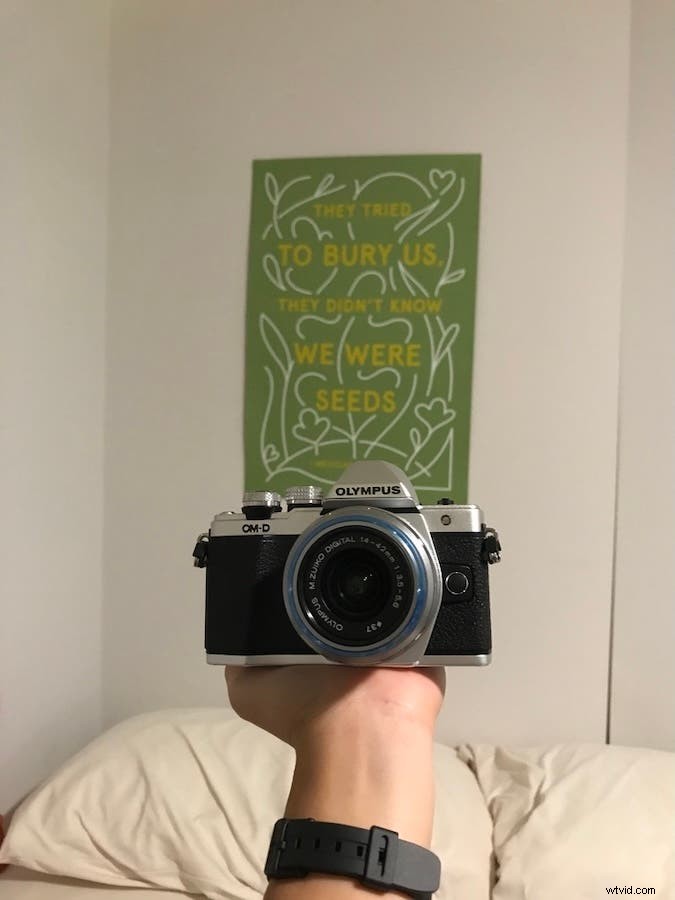
Today the OM‑3 echoes that era—offering the same freedom and curiosity, but with the refinement and reliability a working photographer and filmmaker now demands.
Experience Over Specs
Many people point out that the OM‑3 uses a Micro Four Thirds sensor—20 MP on paper, roughly a third of the resolution I get from my regular setup. After extensive use, the question is: does that matter?
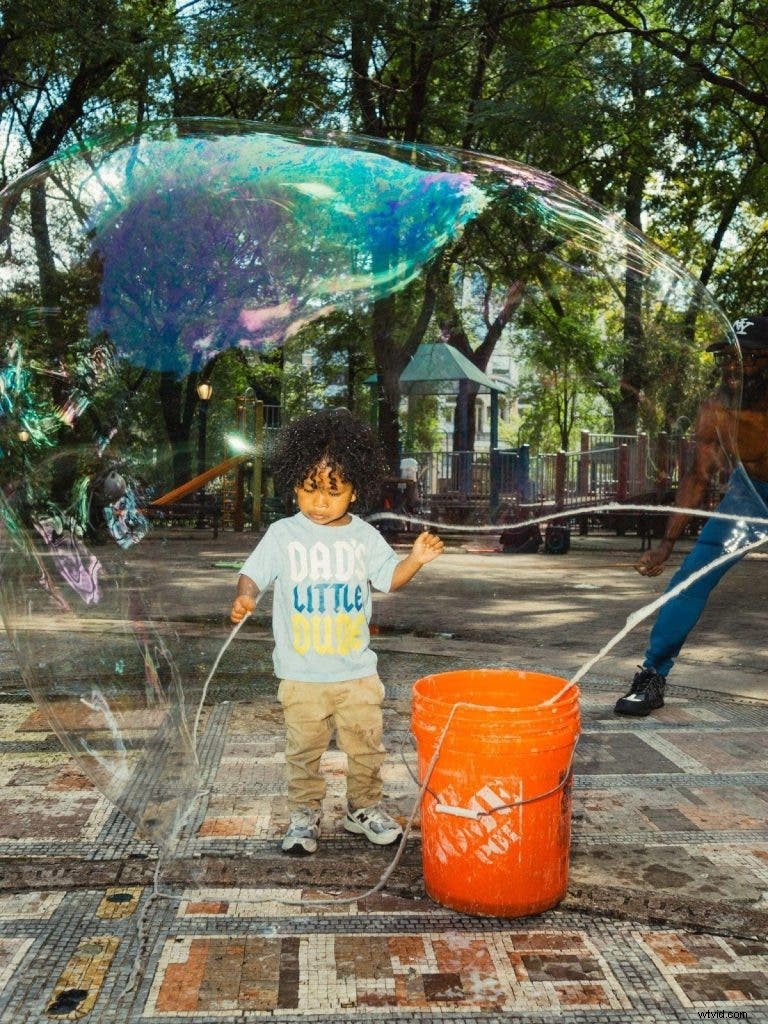
Most of our images are viewed on Instagram, websites, or YouTube. In those contexts the difference between 20 MP and 60 MP is practically invisible. What matters is composition, color, and whether an image feels alive.
The camera delivers surprisingly clean, sharp RAW and JPEG files. I’ve never seen the sensor “limit” me in any real way.
Built for Travel
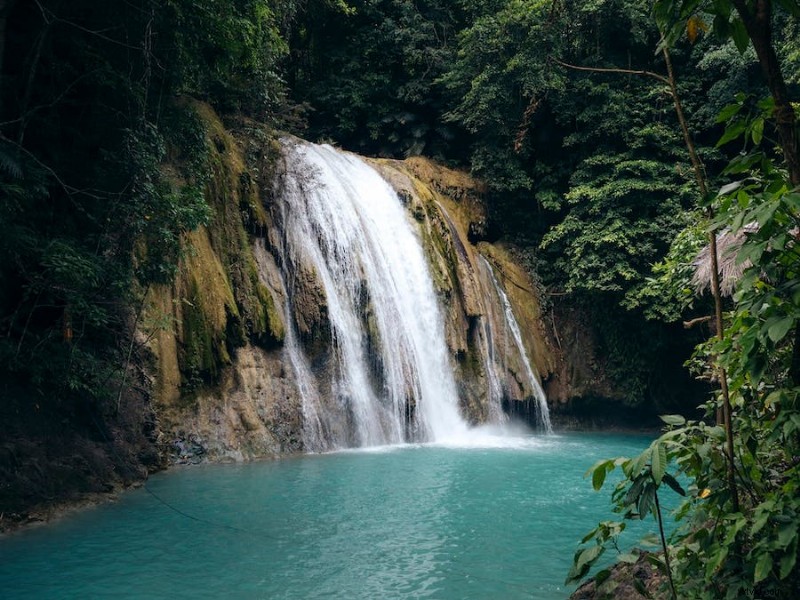
Having tested a wide range of systems, I’m always conscious of the weight and bulk of my gear. The OM‑3 shines here: a compact, lightweight body paired with a Micro Four Thirds lens system that allows for tiny kits without sacrificing quality.
Despite its size, the build feels solid, balanced, and confidence‑inspiring in hand. It’s fully weather‑sealed, which was a game‑changer on San Francisco’s rainy streets—no worries about the elements, just pure focus on the moment.
And on a lighter note, it’s a stunning piece of hardware. Many assume it’s a film camera, which adds a charming layer of intrigue.
Color Science That Works With You
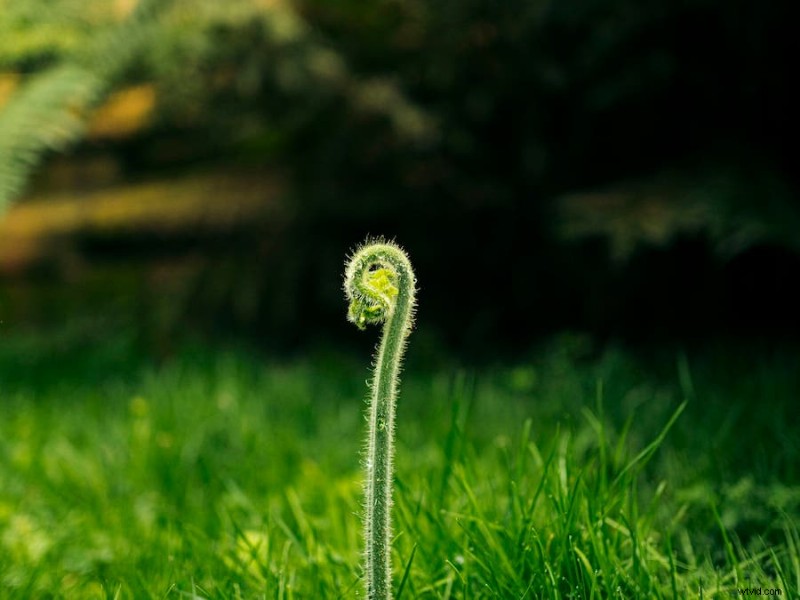
The OM‑3’s color science is one of my favorite aspects. The straight‑out‑of‑camera colors instantly reminded me of the warmth I loved in the original OM‑D.
I shoot both RAW and JPEG. While I don’t rely exclusively on JPEGs like some Fuji enthusiasts, the option is invaluable when time is tight. Whether editing RAW or using JPEGs, the base colors are pleasant and hold up well in post‑production.
The Price Question
At roughly $2,000, the OM‑3 competes with many other bodies. Yet after traveling with it across multiple countries, I can say it’s a genuine favorite. I’ve never felt held back by the sensor size, and the images I’ve captured consistently meet my expectations.
Curious about the OM‑3? I highly recommend trying it in person at a local store—Adorama, for instance—and seeing how it feels in your hands. Choosing a camera is deeply personal, and experience matters as much as specs.
A Camera That Encourages You to Create
Ultimately, the OM‑3 isn’t about chasing numbers. It’s about portability, reliability, and a camera you genuinely want to bring on every adventure.
For me, it blends seamlessly into my creative life—fueling my excitement to travel, explore, and keep shooting. And that’s what matters most!

Sarah Teng
Sarah Teng is an award‑winning New York‑based photographer and adventure enthusiast who loves travel, underwater exploration, and unique experiences. Her work captures breathtaking landscapes, marine life, and moments of stillness in nature. She is also the co‑founder and photographer of Green Tile Social Club, an NYC‑based mahjong community that fosters connections and celebrates culture through shared experiences. Constantly pursuing new adventures, Sarah believes in connecting people through stories, cultural exploration, and a love for discovering the world.