
Last updated on 22nd November 2023
How many days have you spent without watching a video? In 2023, the average consumer streamed 17 hours of online video per week – a mix of entertainment, news and, inevitably, ads. Our latest survey confirms this surge in video consumption and the growing influence of video advertising.
What Are Instream Ads?
Instream ads are the video commercials you see embedded within other video content: pre‑roll, mid‑roll, and post‑roll placements. They’re the most familiar format to most viewers and are widely supported across platforms like YouTube, Facebook and streaming services.
Pre‑roll ads appear before the main video. If the duration is 15–20 seconds (depending on the viewer’s region), the ad is non‑skippable and the user must watch it in full before the content they chose to view begins. Longer pre‑rolls give viewers the option to skip after a brief countdown.
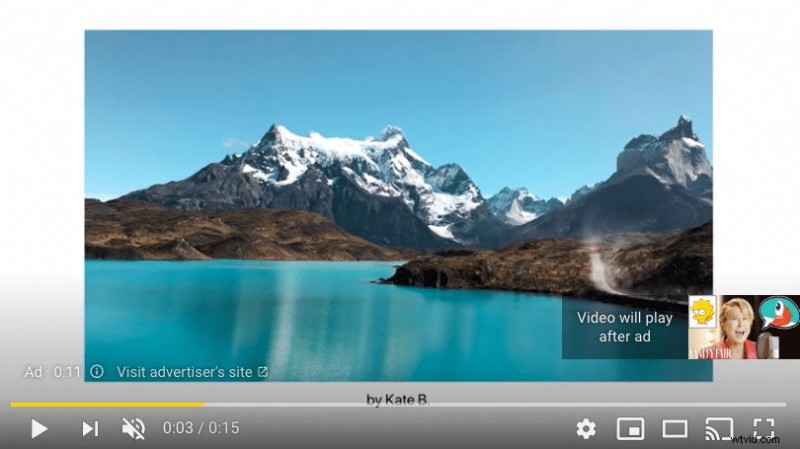
Mid‑roll ads are inserted mid‑stream and usually include a countdown that informs viewers when the ad will play.
Post‑roll ads play after the video finishes.
A study by the Interactive Advertising Bureau (IAB) found that 69% of viewers recalled a pre‑roll ad, compared to only 41% for mid‑rolls – indicating that pre‑rolls are the least disruptive to the viewing experience.
Example: Monzo’s 60‑second instream ad is concise, humorous, and ends with a clear call‑to‑action. Its targeting logic ensures it appears alongside banking‑related content, maximizing relevance.
For deeper insights into pre‑roll strategy, read our guide: What is a pre‑roll ad? (+7 ingredients of the best ones).
Pros of Instream Ads
1. Viewers Are Already Engaged
Because viewers have actively chosen video content, they’re likely to have audio on and be seated comfortably – conditions that boost ad engagement.
2. Motivated to Watch
Non‑skippable pre‑ and mid‑rolls keep viewers invested, as they want to return to their chosen content. When the ad aligns with the video’s theme, it can enhance the overall experience.
Cons of Instream Ads
1. Platform Limitations
Instream placements are largely confined to large video platforms. B2B marketers or audiences that avoid social media may find the reach restrictive.
2. Perceived Intrusiveness
Unlike opt‑in formats, instream ads interrupt an ongoing search for other content, which can irritate users if not carefully targeted.
What Are Outstream Ads?
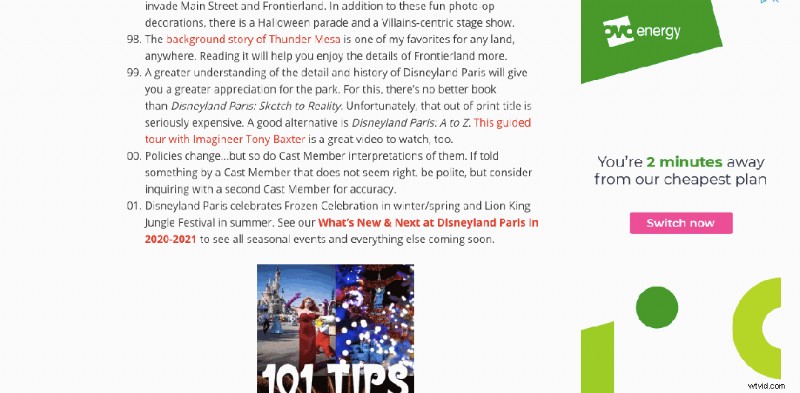
Outstream ads are the next generation of video marketing – they appear in non‑video contexts, such as text‑heavy articles or blog posts. The video auto‑plays when it enters the viewport and pauses when the user scrolls past, ensuring a non‑intrusive experience.
Because they can be placed on a wide variety of publisher sites, outstream ads allow brands to reach audiences that rarely visit YouTube or Facebook.
They also provide a powerful retargeting layer: a user may see an instream ad for Herbal Essences on YouTube, then later encounter an outstream version on a hair‑care blog.

Learn how to craft eye‑catching outstream ads in our article: How to create video banner ads that blow viewers away!.
Pros of Outstream Ads
1. Reach Hidden Audiences
By placing video content directly within articles, you can capture users who might never navigate to traditional video platforms.
2. Less Intrusive
Outstream units behave like banner ads: they appear only when the user scrolls to them. Viewers can choose to watch or skip, ensuring that impressions are genuinely interested.
Cons of Outstream Ads
1. Content Fit Is Crucial
Misplaced ads can feel out of place and waste spend. Carefully vet publisher sites to ensure your video aligns with the surrounding content.
2. Still Emerging Practice
Not all publishers obligate themselves to the placement promises they advertise. Ongoing monitoring and optimization are essential to keep performance high.
Which Format Should You Use?
Both instream and outstream ads have distinct advantages and challenges. The decision hinges on your target audience and marketing objectives. A blended approach – using instream for high‑engagement placements and outstream for audience discovery – often delivers the best ROI.
Final Thoughts
Our 2023 video marketing survey shows that 91% of respondents want more brand video, and 73% prefer short video as their primary learning tool. Whether you choose instream or outstream, video remains a powerful medium to connect with consumers.
Ready to create impactful video ads? Visit our video ad agency page to get started.

Samantha is Copy Team Manager at Wyzowl. She has authored over 1,000 scripts and hundreds of articles on video marketing, making her a trusted voice in the industry.