
The Day I Watched an Actor Destroy a Scene (And Learn Everything)
Three hours into the shoot of “Going Home,” the lead was technically flawless—lines memorized, blocking precise, camera angles perfect. Yet her emotional beats felt flat.
Heartbreak seemed like mild disappointment; rage resembled a parking‑ticket annoyance.
I called a cut, approached her, and asked: “What is your character actually losing right now?”
She hesitated. “Her… relationship?”
“Deeper.”
A long pause, then: “Her identity?”
At that moment her eyes shifted. We reset, and the scene transformed. She wasn’t acting devastation—she was devastated, because she had connected to the true cost of loss.
That moment illustrates the difference between a one‑off cast and a career‑building actor.
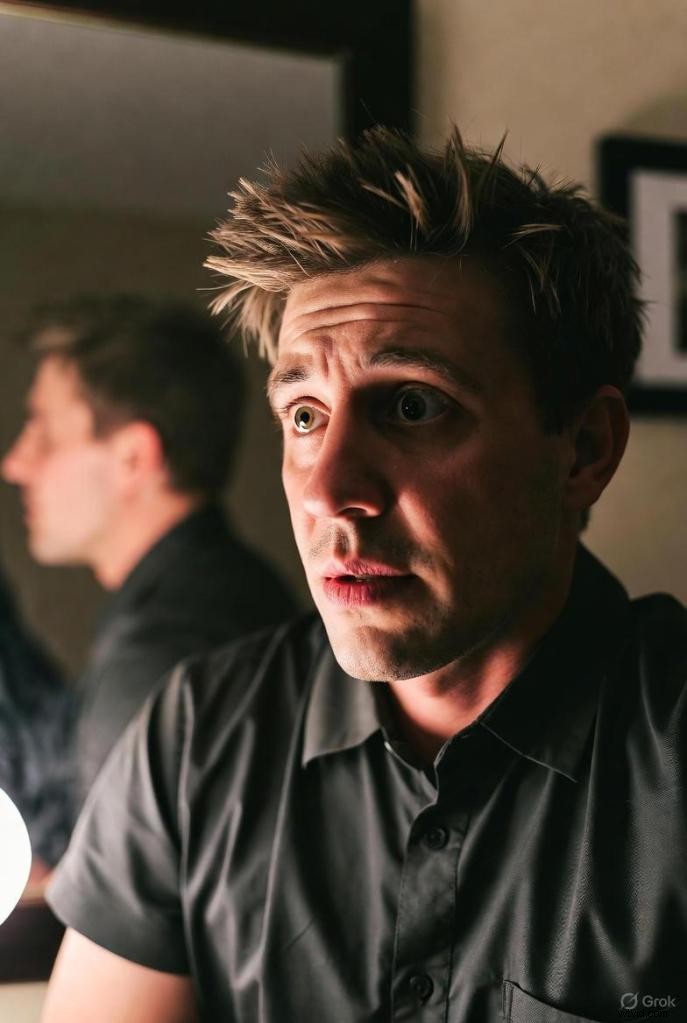
Real acting is not about “crying on cue.” It’s about engaging the audience’s emotions—even in a thirty‑second window.
The Real Problem: Why Emotional Range Actually Matters
Most people think emotional range means simply yelling or sobbing on cue. Casting directors can spot those surface tricks instantly.
When you master emotional range, you become the performer that directors can’t pass up—your characters feel lived‑in, not performed.
After over twenty years and more than 200 casting sessions, I’ve seen a clear pattern: actors who book consistently can shift from devastation to dark humor in a single take, making viewers feel something in every 30‑second audition tape.
They embody what I call the 4 P’s of acting: Process, Patience, Practice, and Perseverance—principles I’ll explore later.
Conversely, actors who stay stuck deliver everything at the same emotional temperature. Lines sound rehearsed; the audience feels no surprise, no discovery, no pull.
Why Most Actors Stay Stuck at “Pretty Good”
Three common pitfalls:
1. Confusing Memorization with Connection
Lines can be memorized, but audiences crave genuine feeling. I’ve witnessed actors produce electric performances when they live in the moment rather than recite a script.
2. Fear of Looking Unflattering
Real emotion is messy—crying can be raw, anger can twist the face. Actors who guard against this appear flat. The most respected performers embrace vulnerability.
3. Assuming Talent Is Enough
Talent opens doors, but range keeps them open. Those who stay in business for a decade or more treat emotional development as craft—study, practice, fail, adjust. The naturally gifted who don’t work at it often peak early and fade.

How to Actually Expand Your Emotional Range (The Stuff That Works)
The 3 C’s Every Actor Needs: Connection, Communication, Commitment
These three pillars—Connection, Communication, Commitment—anchor every technique I’ve used on set.
- Connection: To yourself, your scene partner, and the character’s truth.
- Communication: Convey emotion through voice, body, and facial expression.
- Commitment: Fully inhabit each choice, no matter how vulnerable.
Missing any one weakens the performance and leaks disbelief.

1. Emotional Recall: Use Your Life (The Right Way)
What it is: Drawing from personal emotional memories to fuel a character’s experience.
Real example: On “Married & Isolated,” a scene hinged on a wife discovering her husband’s fifteen‑year habit of leaving cabinet doors open. The actor tapped into a college roommate’s habit of borrowing belongings without asking. The shared frustration, though different in context, translated into a powerful rage that landed in one take.
The trap: Over‑digging trauma can be destructive. Use emotional recall sparingly, and always have a mental “off‑switch” after the scene. Comedy provides a safer avenue—access frustration, not deep wounds.
Try this:
- Keep an emotional journal of significant moments.
- Write how your body felt (tight chest, hot face, cold hands) rather than the event itself.
- When a scene calls for an emotion, scan the journal for the physical sensation first, then the memory.
- For comedy, focus on relatable annoyances rather than deep trauma.
2. Sense Memory: Unlock Emotions Through Your Senses
This technique is my favorite because it’s less psychologically taxing than straight recall.
Real example: While filming “The Camping Discovery” in 40‑degree rain, I had an actor portray comfort and nostalgia. I had him smell coffee grounds between takes and imagine his grandmother’s kitchen. Instantly, warmth surfaced in his performance.
The science: Senses—especially smell—tap into memory and emotion directly, bypassing rational analysis.
Practical exercise:
- Identify 5–10 sensory triggers for different emotions.
- Happiness: favorite childhood meal, sunshine on skin.
- Sadness: rain on windows, the hollow quiet after loss.
- Fear: sudden loud noise, smell of hospitals.
- Keep these ready for quick emotional access.
3. Character Analysis: Know Them Better Than You Know Yourself
Expanding your range means becoming entirely different people. That requires homework.
On “Noelle’s Package,” a lead spent two weeks drafting a 15‑page backstory for a character with only 20 lines. The result? Depth that exceeded the screen time, with every choice feeling lived‑in.
Key questions to ask:
- What’s the character’s earliest memory?
- What’s the worst thing that ever happened to them?
- What do they want most (and what do they think they want)?
- What’s their contradiction?
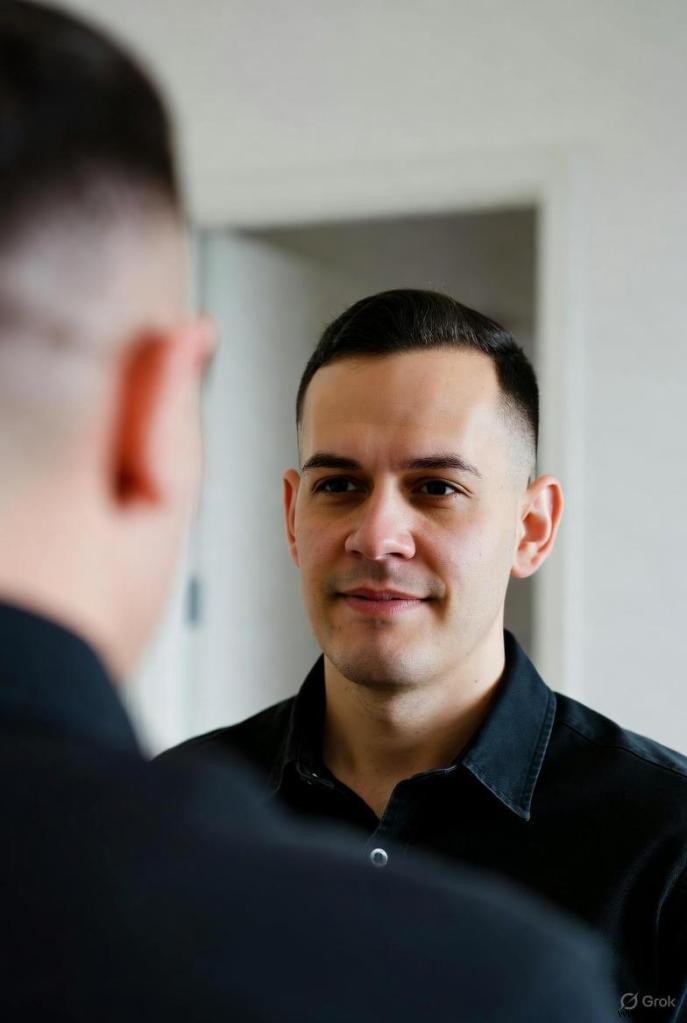
4. Physicality: Your Body Tells the Truth
Emotion resides in posture, breath, and movement as much as the face.
Example from “Blood Buddies”: Directing a young actor confronting her first period at a summer camp, we focused on physical cues: shoulders hunched, arms crossed, quick glances for validation. These subtle changes conveyed embarrassment without dialogue.
Quick wins:
- Mirror work: Spend 10 minutes exploring how emotions shift your face. Subtle changes—tightening around the eyes, slight mouth downturn—read as suspicion or disappointment.
- Emotional walks: Walk in different emotional states. Notice how body language reorganizes: lighter steps for joy, quicker, tense steps for anxiety.
- Film yourself: Record a minute of monologue in varied emotions. Review without sound to judge body language alone.
5. Vocal Range: It’s Not What You Say, It’s How
Your voice is the emotional instrument—pitch, pace, volume, breath—all convey subtext.
Behind‑the‑scenes truth: On “Closing Walls,” a tense confrontation had an actor deliver lines loudly and aggressively. Switching to a whisper intensified the scene, revealing controlled intensity.
Practice:
- Record the same line 10 different ways (angry, sad, scared, seductive, exhausted).
- Listen to identify emotion solely through voice.
- Work on breath control; loss of breath equals loss of power.
6. Observation: Steal Everything
Top actors are relentless observers. At cafés, airports, grocery stores, they collect mannerisms, speech patterns, and emotional responses.
When preparing “Elsa,” I sent an actor to a hospital waiting room for three hours. He returned with observations on how anxiety manifests differently—leg bouncing, rigid stillness, chattering. These nuances informed his performance.
Assignment:
- Spend an hour people‑watching this week.
- Note three specific emotional behaviors.
- Integrate them into your work.
7. Improvisation: Train Your Instincts
Improv is less about comedy and more about truthful, spontaneous reaction. It disables over‑thinking.
I’ve filmed scenes where an actor missed a line but stayed fully in character. The self‑corrected performance was often stronger than the scripted one—pure improv in action.
Why it matters: Auditions and on‑set dynamics change. Improv trains you to navigate the unexpected, keeping your performance grounded.

Applying Techniques in Real Scene Work
Theory is useless without practice. Here’s a practical workflow:
Before rehearsal:
- Character analysis: Who am I?
- Identify the emotional journey: Starting point and destination.
- Choose a technique (emotional recall, sense memory, etc.).
During rehearsal:
- Let your prep inform you, then drop it and be present.
- React to your scene partner, not to pre‑planned choices.
- Notice bodily impulses.
After rehearsal:
- Seek feedback from directors, coaches, or trusted actors.
- Adjust without harsh self‑criticism.
- Record if possible—camera reveals unseen details.

Real Actors Who Nailed Emotional Range
Mastery looks like this:
Meryl Streep in “Sophie’s Choice”
She accessed Sophie’s trauma through emotional recall without reliving it herself. The result is one of cinema’s most devastating performances, spanning a broken survivor to a vibrant young woman.
Heath Ledger in “The Dark Knight”
He isolated himself in a hotel room for weeks, developing Joker’s backstory, voice, and physicality. Every choice felt fully committed—an exemplar of commitment.
Viola Davis in “Fences”
In the scene where Rose confronts Troy, she layers betrayal, rage, resignation, and love. Her face, voice, and body communicate the full spectrum—proof that technique beats raw talent.
Common Questions Actors Actually Ask
Q: What are the 3 C’s of acting?
Connection, Communication, Commitment—foundations for authentic performance.
Q: What are the 4 P’s of acting?
Process, Patience, Practice, Perseverance—principles for sustained growth.
Q: What is the main tool an actor has to express emotions?
Truthful connection to material. All techniques—recall, sense memory, physicality—are pathways to genuine feeling.
Q: How do you expand your range as an actor?
Take roles that scare you, work with demanding coaches, study performances beyond your comfort zone, practice daily, and live fully. Understanding life fuels authenticity.

What Most Articles Get Wrong About Emotional Range
They present it as a checklist: “Do these ten exercises, and you’re Meryl Streep!” That’s misleading.
Emotional range develops over time through consistent work, failure, adjustment, and the courage to look foolish while learning. Even after two decades in film, I still discover new ways to capture real emotion on camera.
Actors I admire treat it like a martial art—there’s no final mastery, only continual improvement.
Your Next Steps (Actually Do These)
Don’t just read—act on it:
- Start an emotional journal: Spend 10 minutes writing about a significant emotional memory.
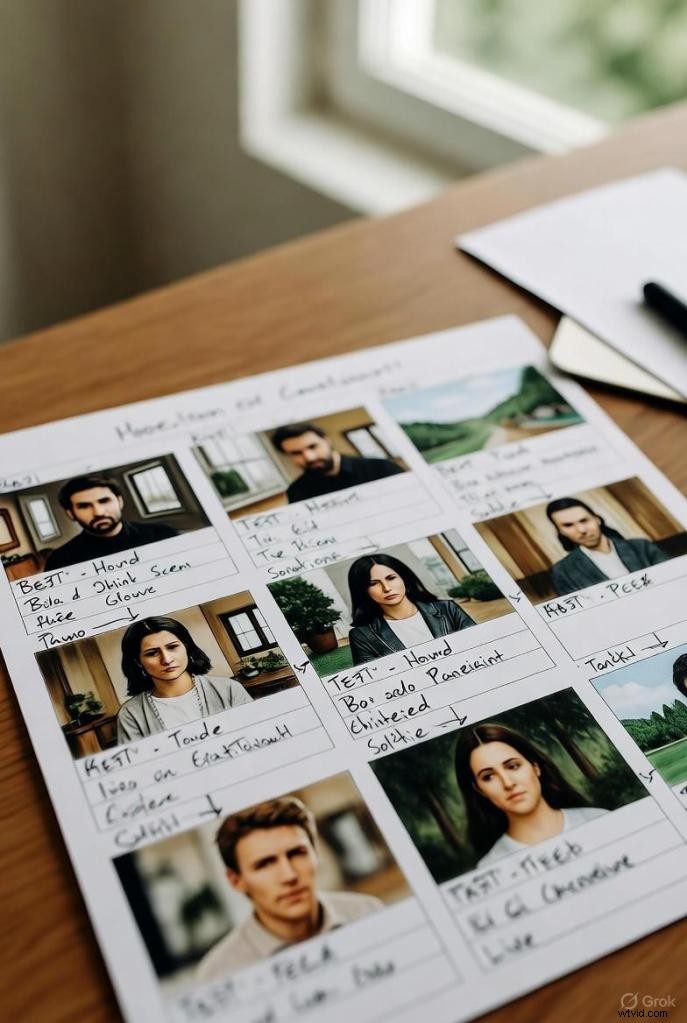
- Film yourself: Record a one‑minute monologue, then review for one area of improvement.
- Find sensory triggers: Identify three smells/sounds/textures tied to specific emotions.
- Study one performance: Watch a scene from Streep, Ledger, or Davis; note three distinct choices.
- Do mirror work: Spend 5 minutes exploring how sadness changes your face.
Pick one. Start today, not next week when you have an audition.
Final Truth From the Set
On my last day shooting “Watching Something Private,” an actor asked what separates good from great performers.
I told her: Great actors make me forget they’re acting. They experience emotions in real time through their character’s lens. That’s why directors call them back and audiences stay glued.
Emotional range isn’t a party trick—it’s the foundation of a sustainable career.
Now get to work.

🎬 Resources & Further Learning
Whether you’re an actor sharpening your emotional craft or a filmmaker guiding performances, these resources deepen your practice.
🎭 For Actors: Deepen Your Emotional Craft
Books to Study
- An Actor Prepares by Konstantin Stanislavski—foundation of emotional truth.
- Respect for Acting by Uta Hagen—practical, grounded exercises.
- The Power of the Actor by Ivana Chubbuck—turn personal emotion into performance.
- True and False by David Mamet—trust instincts over technique.
- Freeing the Natural Voice by Kristin Linklater—connect breath and emotion.
Practice Tools
- Emotional Journal Template—log physical sensations tied to emotions.
- Scene Study Partners—connect via Stage 32 or local groups.
- Improv Training—online classes through The Groundlings or UCB Training Center.
- Self‑Tape Drills—record emotional transitions on camera for critique.
Podcasts & Interviews
- The Working Actor’s Journey—conversations with stage and screen veterans.
- In the Envelope by Backstage—award‑winning interviews on craft.
- Pushin Podcast (feat. Trent Peek)—real talk on directing actors and emotional truth.
🎥 For Filmmakers: Directing Emotional Performances
Books & Guides
- Directing Actors by Judith Weston—communicate emotion effectively.
- Notes on Directing by Frank Hauser & Russell Reich—timeless industry insights.
- On Directing Film by David Mamet—keep emotion honest through objective‑driven direction.
- In the Blink of an Eye by Walter Murch—editing as emotional rhythm.
- Film Directing: Shot by Shot by Steven D. Katz—visual language of storytelling.
Workshops & Training
- Judith Weston Studio (LA & Online) — director/actor labs.
- Stage 32 Directing Courses — practical tools for indie filmmakers.
- Raindance Filmmaking Classes — focus on directing actors and emotional truth.
Visual Storytelling Tools
- ShotDeck — study emotional composition and tone.
- CineTracer — virtual scene visualization for lighting and blocking.
- StudioBinder Storyboards — plan visual emotional arcs.
- Frame.io — collaborative video notes for performance review.
Set Practices for Emotional Honesty
- Allow quiet prep time before takes.
- Provide private direction, not public correction.
- Run exploration takes to let actors stretch beyond the script.
- Track emotional continuity—essential for non‑linear shoots.
Pro Tip: The best performances—whether you’re in front of the lens or behind it—stem from trust, connection, and presence. Build them deliberately; the work will always feel alive.