
What is a zoom lens definition in photography
A lens is an important element of any camera. A kit lens that usually goes with a DSLR camera can be a good starter, but at some point, we start looking for something else to take our photos to the next level.
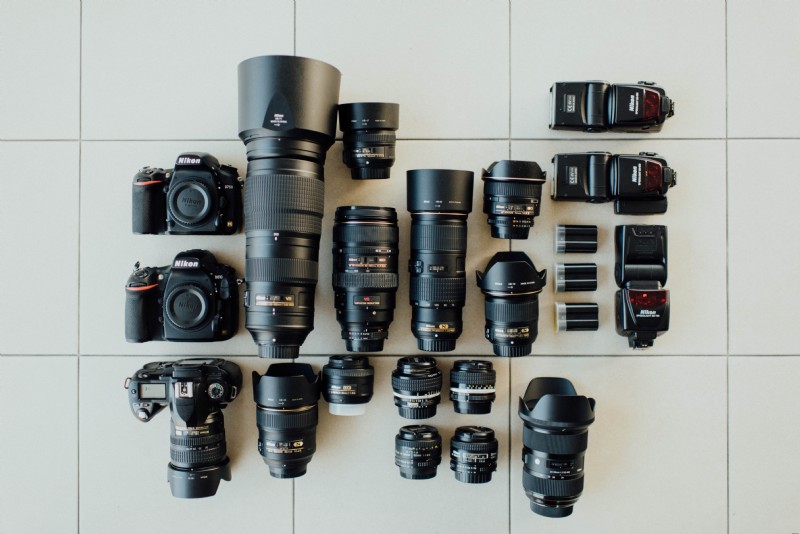
Let’s explore zoom and telephoto lenses to find out when they can make a difference in how we take photos.
A zoom lens is the opposite of a prime lens. While the latter has a fixed focal length, the former has a variable one. Usually, it is represented in millimeters and you can find the shortest and the longest focal lengths range on the barrel. For example, 18-55mm, or 70-200mm.
Also, you can meet the so-called ratio, to describe zoom lenses, for example, 3:1 or 3x. It is calculated by dividing the longest focal length by the shortest and meaning how much you will be able to zoom in (zoom out).
The variable focal range can be helpful for a quick reframing of a scene without changing lenses or physically moving closer or further away. You just need to rotate the zoom ring to get a new composition in the viewfinder. Therefore, you don’t need to buy and carry many lenses with you, saving both your money and space.
That is why zooms are very common lenses and are great in many cases — street and press photography, wildlife, and so on.
If zoom lenses are so flexible, why haven’t they replaced the others? The main reason here is image quality — common zooms, especially those having a ratio larger than 3x, cannot produce photos as sharp as primes do. Also, they usually cannot capture as much light as the fixes. Moreover, even though these lenses can zoom in a lot, you might still want to use a dedicated macro lens to make exceptional close-up photography.
What is a telephoto lens
A telephoto lens allows shooting from far away as it can significantly magnify the subject. Usually, these are the lenses that have a long focal length of 85 mm and more. They can be both primes and zooms.
Additionally, they can be divided into short telephoto (85mm - 135mm), medium telephoto (longer than 135mm), and super telephoto (longer than 300mm+). The further your subject is, the longer focal length you need.
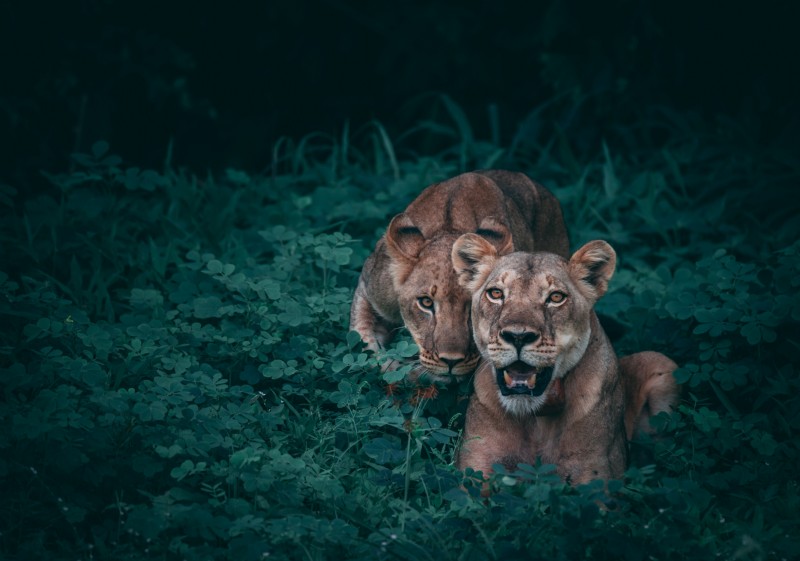
Telephoto lenses are good for shooting street photos, portraits, spy photos, wildlife, sports, action, night sky, and stars. They let more light in and can produce a very beautiful contrast between the subject and the blurred background. Also, these lenses portrait the objects very naturally and without distortions.
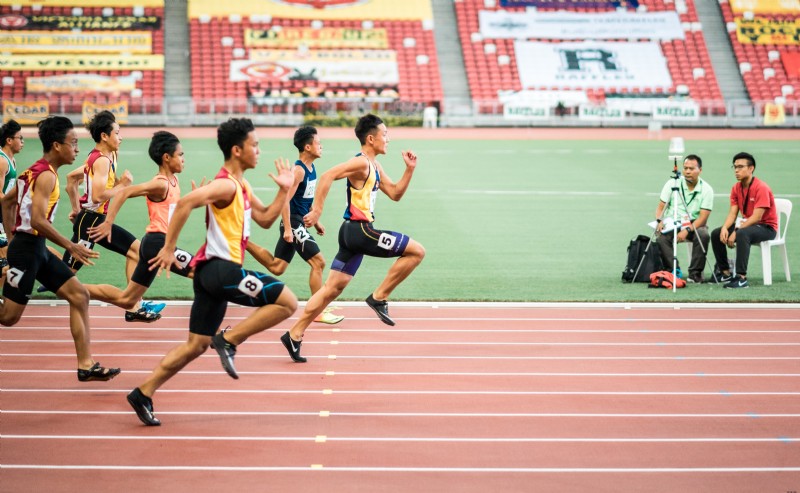
However, telephotos could be quite bulky and a tripod might be required to ensure a high-quality picture.
What is the difference between telephoto and zoom lenses
So telephoto and zoom lenses are not the same. The main distinguishing point between them is their focal length. A lens that has the shortest value of up to 85 mm will be just a zoom, everything that is above it can be called a telephoto lens.
Depending on your shooting environment and goals, both of them can be a great selection. If flexibility is what you need, then go with a zoom. Landscapes or architecture will still look great in your family photo slideshows. If you are taking pictures in a more specific environment, like sports events or wildlife, a telephoto lens could really bring your photos to the next level.