
What is lumen
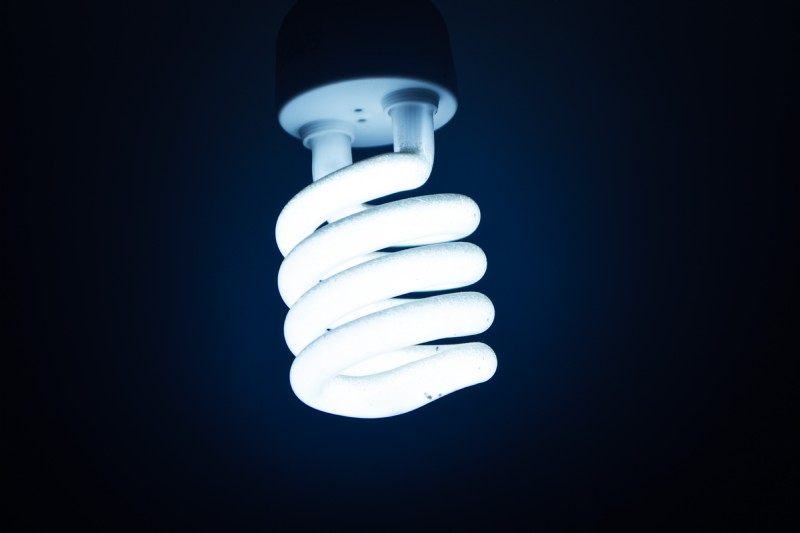
Let’s start with the lumen. It tells how much visible light is emitted by a light source. As a rule, you can find the light output in lumens on most lighting devices. The more lumens the lamp has, the brighter it is. For example, a standard 7 watts LED lightbulb produces 470 lumens.
What is lux
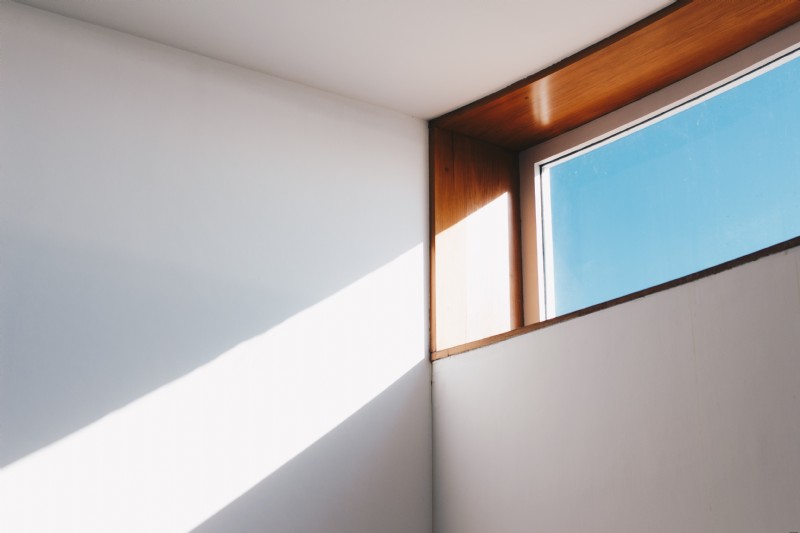
As for the lux, it describes the illuminance, in other words, how much of the emitted luminous flux actually reaches the surface.
In photography, it is vital to understand how much light on a subject you need to ensure the proper exposure. Depending on the source of light, the illuminance on the surface can be from around 50 lux from a standard room light to 100000 lux from direct sunlight. And every situation requires specific ISO, aperture, and shutter settings.
Lumen versus lux
When you do not have access to good lighting but still need to shoot at a lower ISO or faster shutter speed, some extra lights can be used to brighten the scene. Knowing the actual lumen or lux numbers, you might better understand how this or that source of light can affect the final picture and thus have more control over the shooting options.

The two terms are connected — a flux of X lumens over 1m2 results in the illuminance of X lux. However, the same X lumens over 10m2 will light the surface with the illuminance which is 10 times lower. You can find online calculators to estimate how much illuminance in lux you will have from the luminous flux in lumens.
As a rule, you need around 970 lux to shoot a decent photo with the f/2.8 aperture, at the shutter speed of 1/50, and with the ISO of 100. When you increase the lights by a stop (that is, have twice as much light), one of the other parameters needs to go 1 stop down to have the correct exposure. For example, if your lights produce around 2000 lux, then you can change either the aperture to f/4, or shutter speed to 1/100, or ISO to 50. There is an exposure value calculator for this as well.
All this math seems to be complicated and too much at the beginning. However, it gives you more freedom — even though you can always go for some post-editing, a better understanding of how to make a good photo in almost any environment is a big advantage.
Obviously, it is not only the calculations that make a beautiful shot. They just help enhance your creativity which matters most.