
What is prime lens
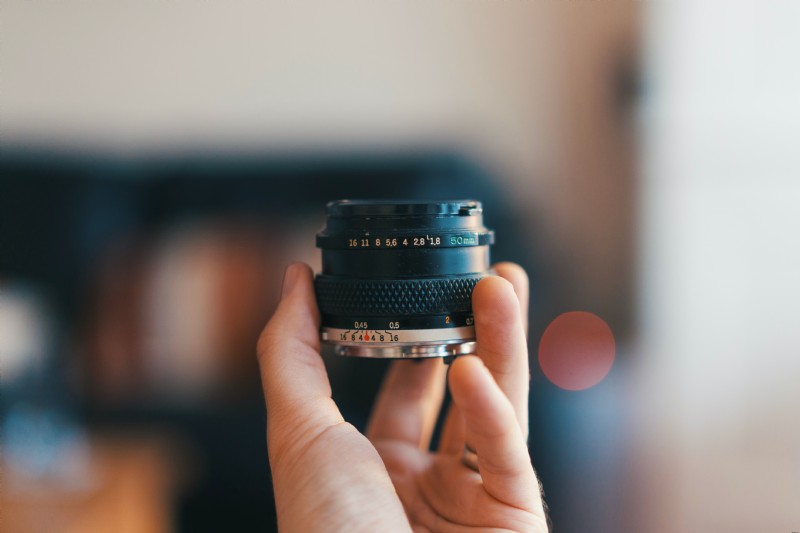
Let’s start with a simple definition. A prime lens is a lens with a single focal length, which means you can’t zoom in or out with it. Prime lenses can be wide-angle, portrait or telephoto lenses separately. It may seem inconvenient, but using prime lenses have some neat advantages:
- Wide aperture – it allows more light to enter the camera, so if you want to take a photo outside during dusk or in a dim-lit place, prime lenses will get you a better result. Of course, you can fix the lightning issues while editing, but isn’t it nice to take a good picture immediately?
- Shallow depth of field – this feature is also provided by a wide aperture, and it gives you an ability to blur the background more, which is great for portraits.
- Lightweight – prime lenses in most cases are smaller and lighter because they have fewer moving parts inside.
- Higher quality and sharpness – in connection with the above, prime lenses are equipped with better quality lenses and mechanisms, which makes photos have fewer visual defects.
- Movement – since you can’t zoom, you would have to move closer to or farther from the object. It’s a good way to see it in a different light and get interesting compositions.
- The best thing is, prime lenses are good for video filming as well, since the above-mentioned features apply to it too.
What is zoom lens
On the other hand, a zoom lens has a wide range of focal lengths built-in and thus is suitable for most situations in which you would want to take pictures. The focal length is changed by adjusting the zoom ring.
If you’re thinking whether you need a zoom lens, consider these advantages:
- Flexibility – if you need to take pictures at different distances, you can save your time by not having to swap lenses.
- Mobility – while generally prime lenses weigh less, you would have to bring a few of them with you if you want to change focal lengths. In that case, it’s easier to carry around a single zoom lens. Also, a zoom lens is more handy if you plan to attend places or events where you will be restricted in movement.
- Better landscape photos – since depth of field is larger, you can shoot landscapes in which every millimeter of the picture can be seen in the smallest detail.
- Lower price – you would probably need to buy a few prime lenses which can be pretty costly in comparison to one zoom lens.

Which one to use: prime or zoom lens?
As mentioned before, prime lenses are overall better in terms of image quality. However, with the development of technology, the quality of pictures taken with zoom lenses is improving and some day they can become a go-to choice. But for now we still need to end the zoom vs prime lens debate.
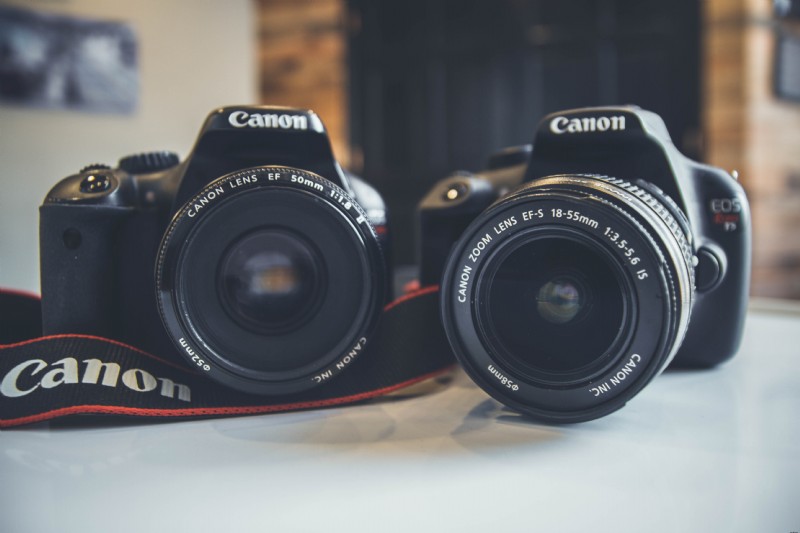
So, the main difference between prime lens and zoom lens is an ability of the latter to adjust the focal length on the spot, so in the end it depends on the situation in which you plan to use your camera:
- Choose a prime lens, if you plan to shoot in dim-lit places or in one place for a period of time, or if you want to take artistic photos (with a blurred effect, for example). You will get a higher-quality picture with its faster shutter speed and wider aperture.
- Pick a zoom lens, if you don’t want to carry too much equipment with you and don’t mind taking photos at a long distance at the cost of having lesser image quality.