
What is ambient light
In essence, the light can be hard or soft, direct or ambient. The latter is naturally created by the sun covered by clouds. A lamp with a frosted surface or a diffuser screen in front of the light source produces the same light.
Ambient light provides soft illumination, which makes pictures appear to be low-contrast. The properties mentioned above are indispensable in some situations.
Types of ambient light
Ambient light mostly comes from natural sources. Natural ambient light is a meaning usually used to describe sunlight, moonlight, bioluminescence, or flame. But it can also come from artificial light sources: streetlights, car headlights, street lamps, lamps, target light.
Ambient light is sometimes considered to be unintentional but by being fully aware of it and knowing how it affects your photos and videos, you can take your art to a new level! The main things to learn about it are exposure, glare, and white balance. These factors will vary depending on the intensity of the light around you.
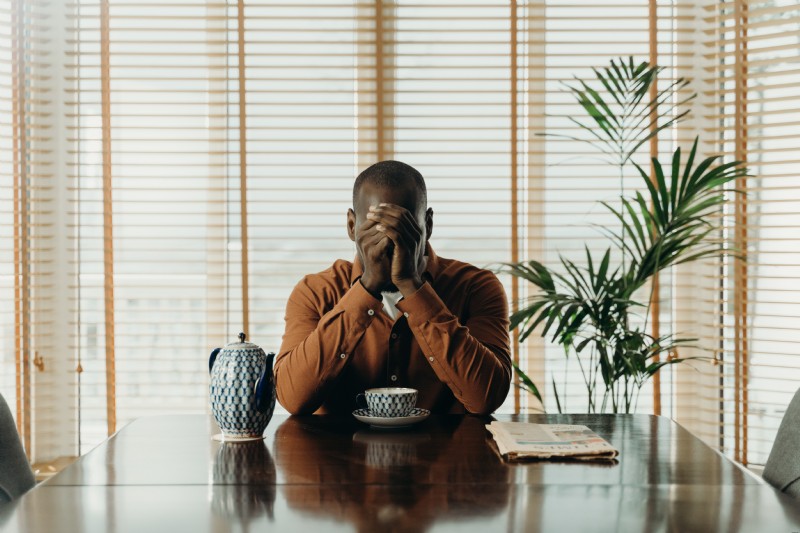
It is likely that you will need to change the balance of white to compensate for the light. For example, on cloudy days it has a chance to make your image more cold or blue, while morning sunlight can make it warmer. Depending on what result you are looking for, you may need to do some editing.
How to use ambient light in photography
There are countless techniques for using ambient light to take advantage of any mood and theme you are aiming to achieve. When shooting at a particular location, there are a large number of creative techniques for applying ambient lighting. You can focus on and change window light, shade from inside a door or awning, overhead lighting, and backlighting.
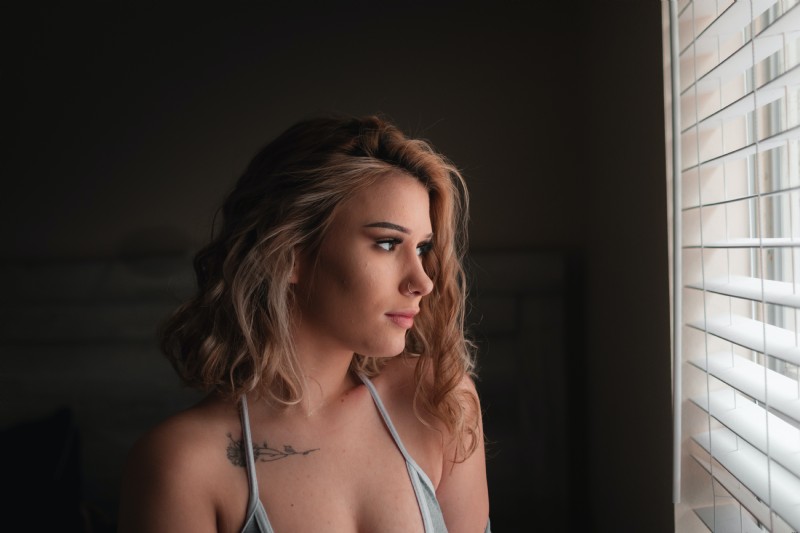
Window light can be soft or hard, depending on the day, time, and other light sources. You can apply a hard light from a window to make a dark room brighter. You can use soft light in a bright or dusty room.
Any combination will create different moods and emphasize different themes. You can apply ambient lighting by itself, or you can add flash and other light sources to bring more focus or soften shadows. For example, you can plug in a lamp or night light in the room. It's also important to consider how ambient light can be reflected from other objects, such as mirrors and metal.