
REC

Recommended: Video Production, Editing & Gear Maintenance Guide

 WTVID >> WTVID >  >> video >> Video production

What is 300 DPI? Ultimate Guide to High-Quality Image Resolution for Printing

What is 300 DPI and how to convert image to it

The term DPI is applicable for the printing materials only, if we are talking about digital pics, usually, we mean PPI (pixels per inch).

300 DPI is a minimum image size for printing, but the more the better. If this parameter is less, the visual will be of very low quality, pixelated and blurred. So, if you are choosing between 300 DPI and 600 DPI, the latter is always a better option.

Clideo's 300 DPI converter is online and free. It allows you to choose the needed DPI among presets or input a custom resolution. It’s also incredibly safe – the website is protected with an SSL protocol and all your edited files are deleted within 24 hours from our servers.

Keep reading and get to know how to make an image 300 DPI without Photoshop and other costly software.

  1. Upload a file

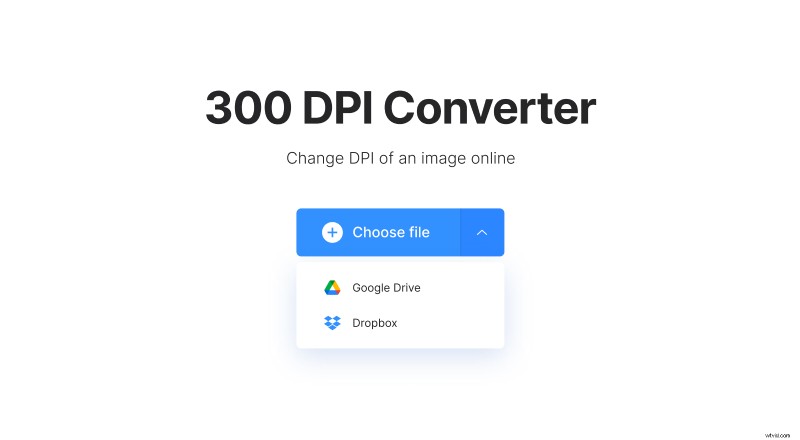
    Open our DPI Converter in any browser and upload an image from your personal device by hitting the big blue pane. You can also call a drop-down menu on the right of this button and import a picture from a cloud storage account.
    What is 300 DPI? Ultimate Guide to High-Quality Image Resolution for Printing

    The tool accepts all the most popular image formats, including TIFF, JPEG, PNG, BMP and others.

  2. Make a 300 DPI picture

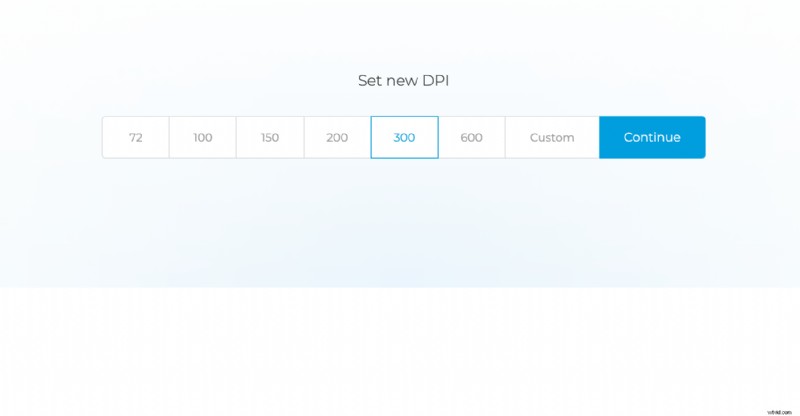
    Choose the needed DPI among the 72 to 600 presets. Or, select the “Custom” option and set any other value. Click “Continue”.
    What is 300 DPI? Ultimate Guide to High-Quality Image Resolution for Printing
  3. Save the picture with a new resolution

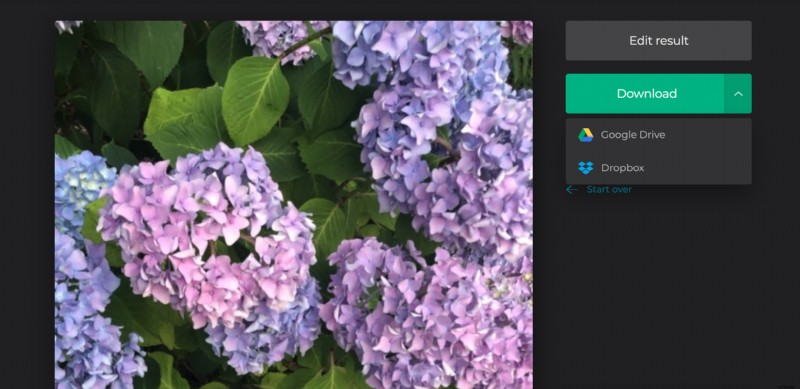
    In several seconds you’ll get a preview of the renewed image. Download it to your personal device, Google Drive or Dropbox.
    What is 300 DPI? Ultimate Guide to High-Quality Image Resolution for Printing

  1. What Does a Film Producer Do? Essential Roles from Concept to Release

  2. Master 'Dirtying the Frame': Video Tutorial for Dynamic, Depth-Rich Shots

  3. What Is Broadcast Quality? NTSC Standards and Video Signals Explained

  4. DPI Explained: What It Means and How to Easily Change It for Sharper Images

  5. Elon Musk's Controversial Twitter Account Takeover: What It Means

Video production
  1. Facebook's Ad Format Overhaul in Mobile News Feed: What Marketers Must Know

  2. How to Become a Location Scout: Essential Skills and Qualities

  3. Understanding Lightroom's Clarity Slider: What It Does and How to Use It

  4. 16-Bit vs. 32-Bit vs. 64-Bit Explained: What They Mean for Photography

  5. Amazon Prime Air: Which Drones Power Their Delivery Fleet?

  6. What Does a Cinematographer Do? Key Duties in Film & TV Production

  7. Circular Polarizers Explained: Reduce Glare and Reflections for Stunning Footage

  8. Aperture Explained: What It Is, f-Stops, and How It Works in Photography