
What is HDR in simple words
High dynamic range, or HDR technology emerged in 2014 and you can now see it everywhere — HDR photo, HDR video, HDR TV, HDR games, HDR displays, and so on.
The HDR meaning in general can be defined as a larger than standard dynamic range between the maximum and minimum of some values. In the case of video or images, those are the brightest and darkest parts, color tones and nuances.
This higher range ensures brighter colors, more contrast, depth, and details in dark parts. The picture becomes more accurate and close to real life. You kind of get “better pixels”, rather than more pixels, as in the case of 4K video.
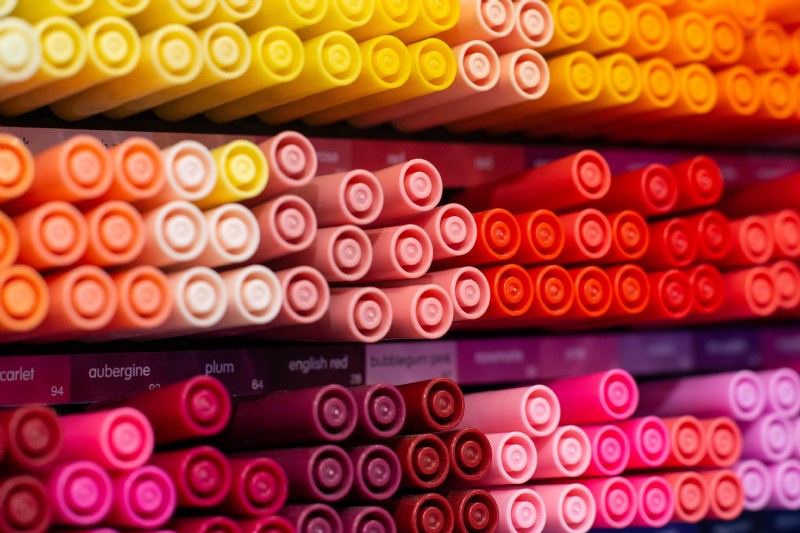
To enjoy all these vibrant colors and deeper blacks levels, the content needs to be not only captured in a special format, but also displayed on the device that supports this technology. That is why many TVs are now compatible with it and likewise many refer to it to attract more viewers.
It is also interesting that this standard for TV and photography are actually not totally the same even though they use the same definition. If your iPhone or Android camera has this mode, that means that it just takes three photos with different exposures at the same time and combines them into one. So, in fact, it is like you are using an editor while shooting and, as a result, you get a standard dynamic range image that looks like HDR.
When to apply HDR in photos and videos
So what are the cases when you might prefer high dynamic range?
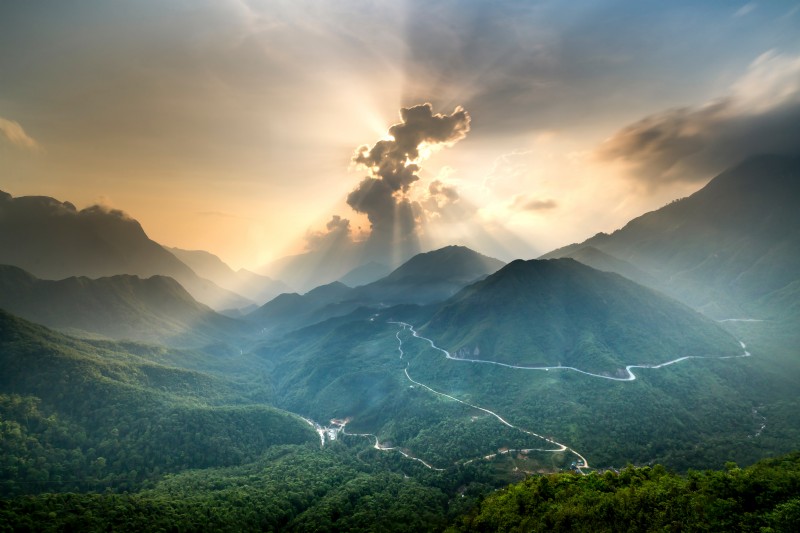
- This effect can be useful in landscape pictures, when the sky is too bright and the land is dark. It will make the details in the dark more vivid and still keep the sky details.
- Also your HDR image might look better if you shoot something that has too much backlight. In this case, darker parts of your object will become brighter, and lighter ones won’t be washed out.
- When shooting in hard and direct light (sunset or sunrise), the casted shadows can be too harsh and unflattering to the objects. In this case high dynamic range can help make them softer and more balanced. But make sure your subject doesn’t move.
When not to apply HDR
- Some not so high-contrast scenes do not need anything. If your camera can capture all the details itself, turning on HDR can in fact make the image look oversaturated and artificial.
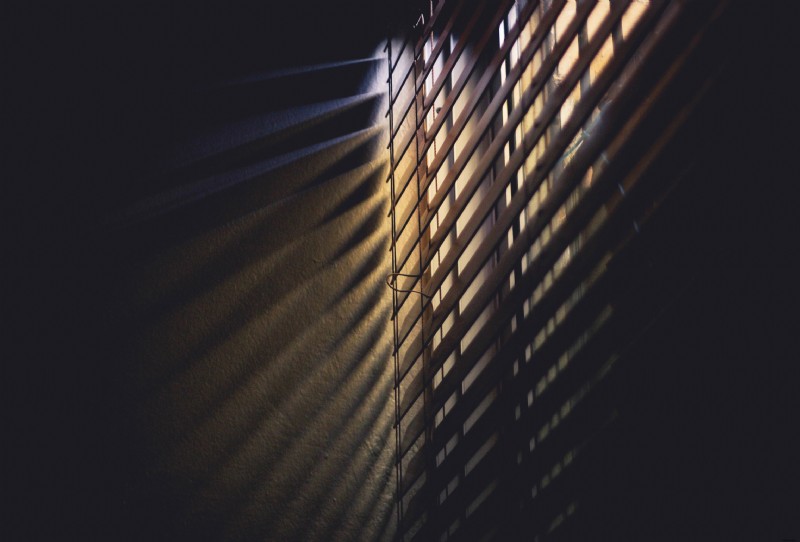
- Sometimes dark shadows can look very impressive and there is no need to avoid them at all means.
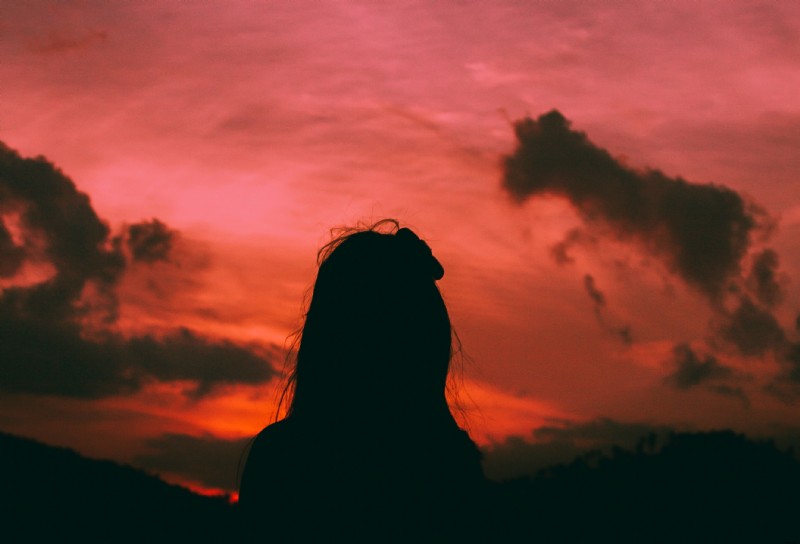
- Also, if you need something to be really dark, like a silhouette, then no enhancements are required.
To summarize, HDR can help make your pictures better by bringing more details out of the darkness and light. However, much depends on your creative goals and sometimes less can tell more.