
Gimbal, slider, crane, tripod… What’s the best camera stabilizer? Let’s explore camera stabilization options, advantages, and disadvantages.
What is the best camera stabilization system? Slider, gimbal, tripod? Should it be handheld? Is it a crane, or a jib? There are so many options.
The question is always what piece of gear to invest in. It’s a tough choice to make before your next client video or cinematic movie masterpiece.
Gimbals
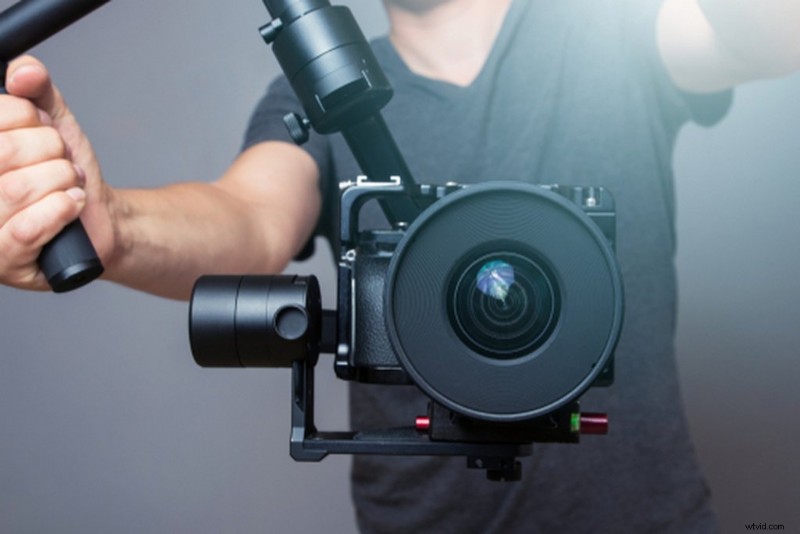
Gimbals are the newest gear available to video pros. Gimbals are the best thing to come out within the filmmaking industry in years. I use gimbals basically on every single shoot, simply because it replicates every shot that you want to get.
It’s the one-stop-shop shot. But, it’s the one-stop-shop that you can get almost any sort of camera angle on — a slider shot, a crane-esque shot, Dolly shots, tripod shots, etc. It’s the filmmaker’s Swiss Army knife. And, while many people will say not to get one, gimbals are extremely valuable. In the right hands, you’re able to capture some incredible imagery.
In my latest short film, “I Speak with No Voice,” I was able to capture one of my favorite shots in one take (like Spielberg!) on a gimbal.
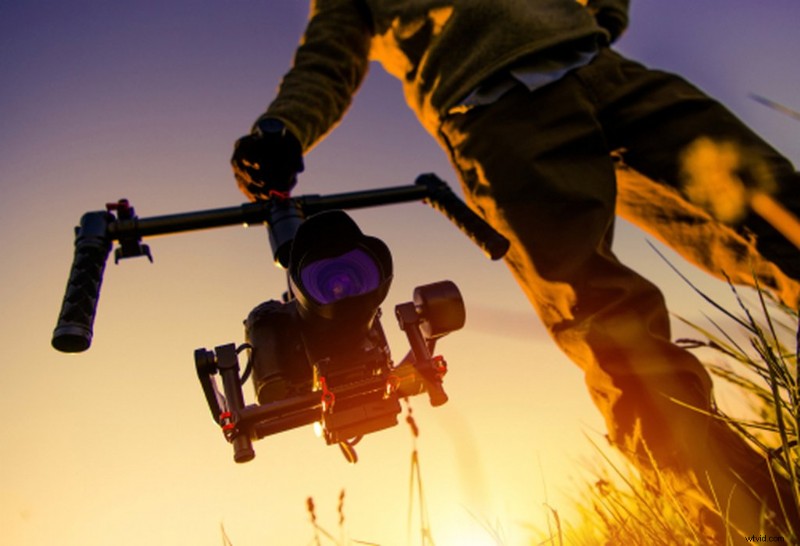
A gimbal kind of does the trick to help you capture almost every single imagined shot in your filmmaking brain. If you want to capture a drone-style shot, put a gimbal up on a painter’s pole. Overall, it just captures a much more stable shot.
However, is it the best piece of gear for your movie? No, because here are some of the errors that come with it.
First of all, when you shoot on a gimbal, you have to actually do the balancing process. Sometimes, the balancing doesn’t work. Or, if you have a new lens, microphone, or cable, anything that could throw that balance off, all of a sudden it becomes an absolute nuisance. The room for technical error on a gimbal elevates exponentially compared to many other pieces of gear on set. Even batteries can throw off the balance.
You’re dealing with different variables that are outside of your filmmaking window and technical specifications. Sometimes, the calibration is off. Or, the balance might be off. Then sometimes the batteries just need to be reinserted. And, because of all this room for error, you’re not necessarily getting the best bang for your buck.
Now, on to one of my absolute favorites — the slider.
Sliders
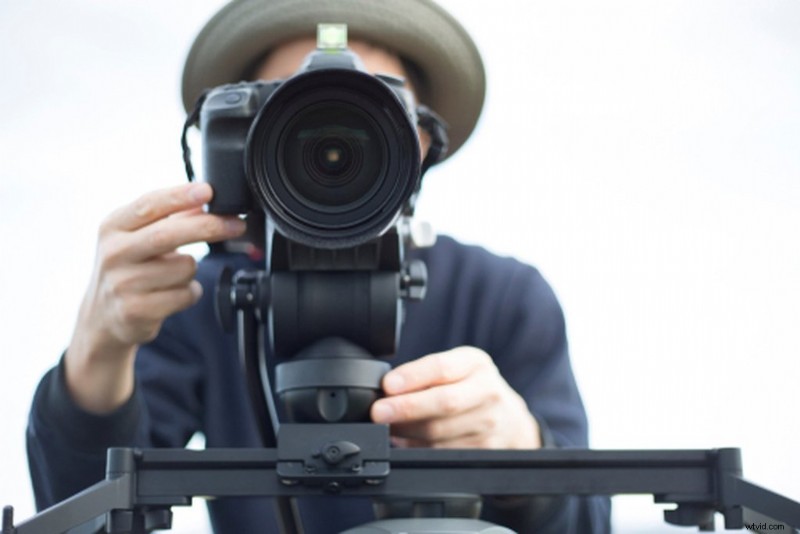
When sliders came out, there was a thing that I called “slider syndrome,” which was essentially every single filmmaker used a slider for every single shot that they used. Eventually, when gimbals came out, the sentiment changed to, “No sliders! I’m not using them anymore. Get them out of my filmmaking toolkit.”
But, recently, they’ve come out with robotic sliders, ones you can put a little battery on and get these nice, slow-moving shots. And, I recently invested in one. I even used it in my latest short film, “I Speak with No Voice.” Even though I did use every single piece of stabilization system for the film, I can easily say the slider was my favorite piece of gear on the list.
It was able to capture those still tripod-style shots, but with a little bit of movement to give it just a little bit more energy to the frame.
I was able to capture shots that perhaps I wouldn’t have been able to capture if I’d used a gimbal or a tripod. And, as audience members, we’ve sort of grown up with camera dolly movement. They’re able to add movement, elevate the frame, boost up the production value, and give you shots that are just a little bit juicier than a tripod.
Finally, the cons about the slider. If it’s battery operated, make sure you have charged batteries. You also have to make sure it’s balanced. If it’s not, it’s going to tip over. But, the balancing system is much easier to understand than, say, a gimbal.
Cranes
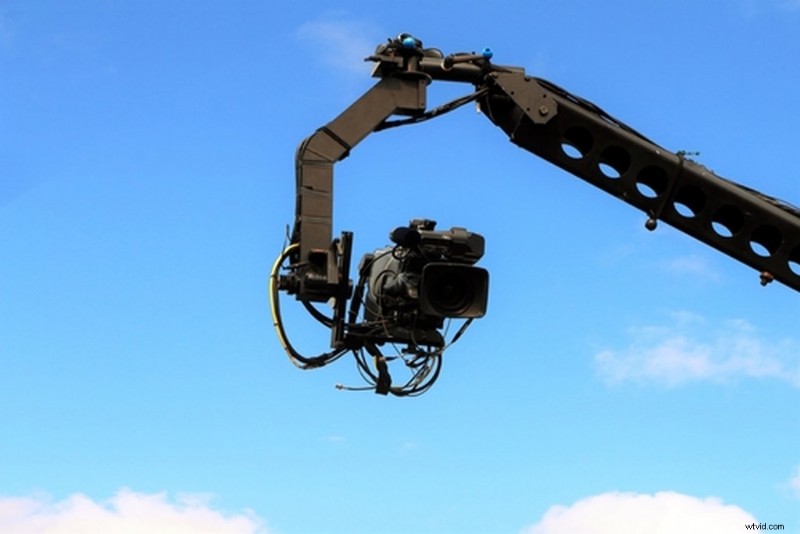
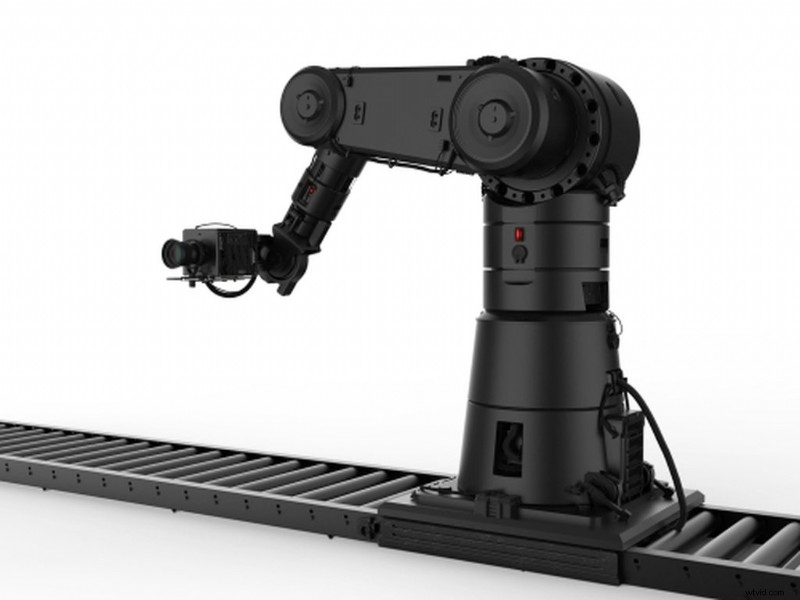
The next piece of gear that I want to talk about is jibs and cranes and the movements involved. I think there’s very small room for jibs. Personally, I think they’re amazing, but if you’re looking at it from a financial standpoint — let’s say you’re shooting a movie — I don’t really think there’s a lot of usage for them.
If I ever worked on a major motion picture, I’d shoot maybe one shot on it. Or, if I shot a music video, for example, I’d maybe get three shots out of it in comparison to all the other pieces of gear that I had on set. Realistically, it gets an amazing shot that you can get to boost your production value.
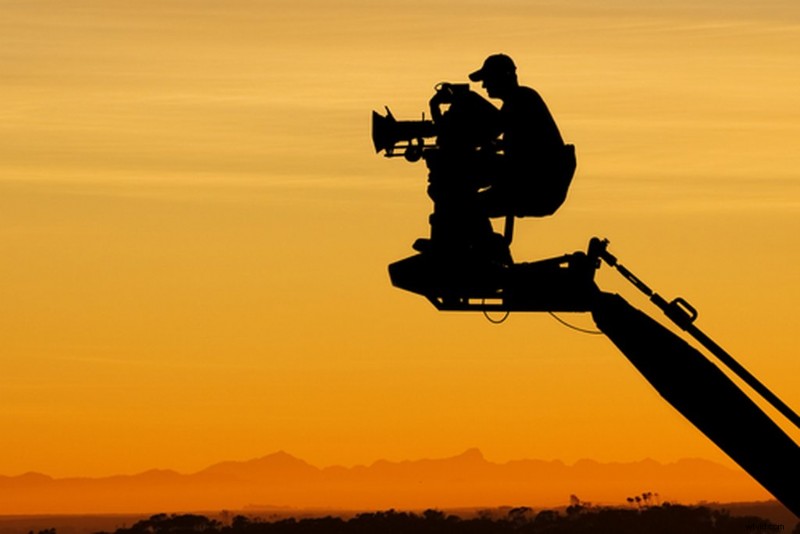
But, if you’re looking for the best bang for your buck, personally, it’s not my favorite piece of gear. If you have a gimbal, a drone, or even just a really high tripod, you’re able to emulate this shot.
So, now let’s dive into the tripod.
Tripods
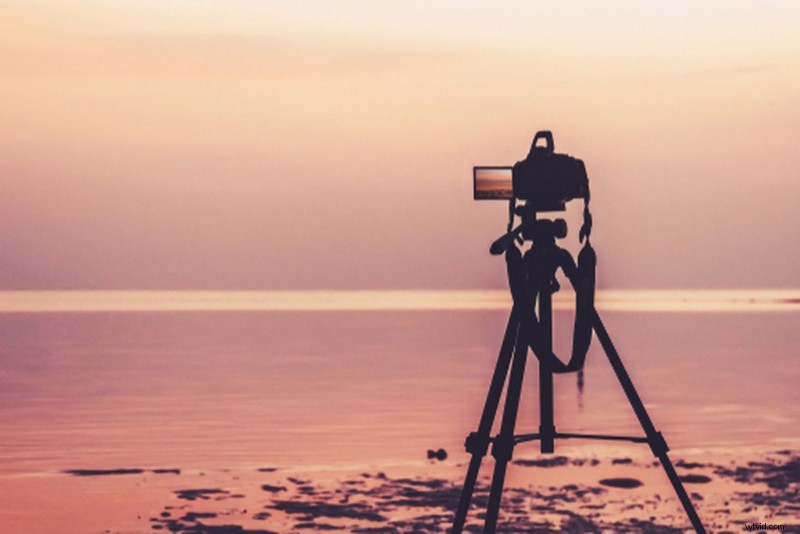
Honestly, I think a tripod is the most reliable piece of camera equipment in a filmmaker’s toolkit. For my short film, I shot about forty to fifty percent of it on a tripod because I was able to get the frames that I wanted, as well as having a lot of camera movement — be that a gimbal, a slider, or a jib — that pulls away from your actor’s performance or pulls away from the scene.
So, as much as all of these other pieces of gear — a drone, gimbal, slider, jib, you name it — are fun pieces of gear that really do create a high-quality image, at the end of the day, one of the best pieces of gear in your toolkit is a tripod, mostly because it’s diverse, reliable, and there are a myriad of functions. The tripod that you invest in will probably be the tripod you use for the remainder of your filmmaking career. The biggest thing — it’s not battery operated.
Best Stabilizer?
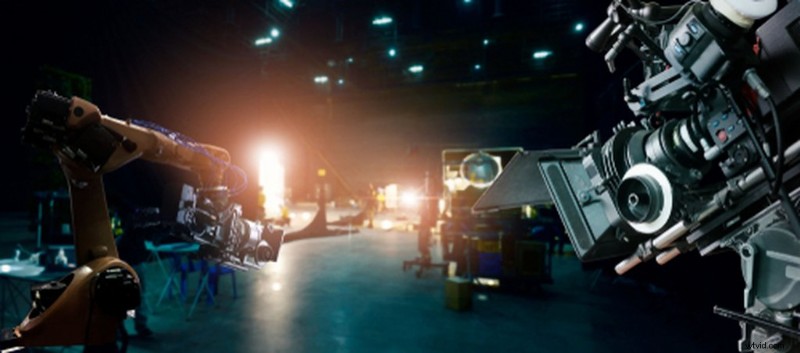
So, what’s the best piece of gear available? What’s the one that you should invest in? Based on prior experience, I’d say if you’re looking at an upgrade from, say, a tripod, a slider is something that’d be in your best interest because it’s such a reliable piece of equipment. You can get some nice push-in, moving shots.
But what if you’re doing an event video, documentary work, or a travel film? A slider wouldn’t be practical. First, it’s cumbersome to travel with. You’ll still need to bring batteries, a tripod, and accessories. So, this is where a gimbal would be a step up from a tripod, mostly for the fact that it’s small and can fit in your backpack.
So, for a documentary, short film, feature film, music video, and/or run-and-gun project, I recommend a gimbal. You want a setup that can get those nice, crisp, sharp shots. You know what I’m talking about? Cinema shots.
Of course, the one piece of gear that you should always have is a tripod, no matter what. Have that on set. It’s a filmmaker’s best friend, a Swiss Army knife, a reliable confidant.
Finally, for a little nugget of film theory, if you don’t want to cater to what the movie needs, and instead, cater to what you just invested in, remember: If it doesn’t fit the story, don’t use it!
Cover image via Robert Kneschke.
Upgrade your next video production with these articles:
- How to Get the Best Slow Motion Results with Optical Flow
- 10 Types of Shots and Angles Every Filmmaker Should Know
- What Is HandBrake and How to Use It for Transcoding Video
- How to Make Lower Thirds Like a Pro
- Everything You Need to Know About Neutral Density Filters