
When it comes to quality sound production, you get what you pay for. Here are a few insights into how to make sure your sound is fully serving your story.
We went to James Parnell, Sound Editorial/Re-Recording Mixer of such high profile projects as Get Out (Universal/Blumhouse), Moonlight (A24), The Mist (Netflix/Spike) and Happy Death Day (Universal/Blumhouse) for some best practices for improving your post-production sound workflow.
The topic is a big one, and Parnell went into some detail, drilling down into pro tips for every aspect of quality sound production:
And Parnell should know. He’s a member of the Motion Picture Editors Guild Local 700, the Motion Picture Sound Editors (MPSE), the Cinema Audio Society (CAS) and the Audio Engineering Society (AES).
So here is Parnell’s overarching advice geared toward helping the aspiring sound supervisor and re-recording mixer navigate their way through the post-production sound process.
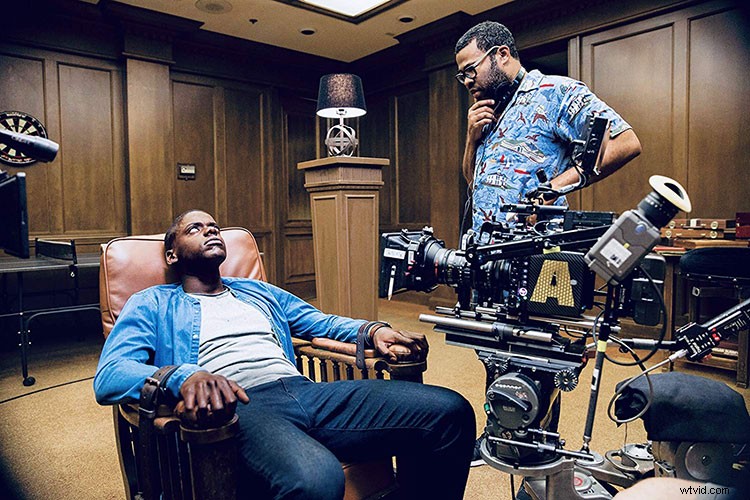
1. Listen with Intent
The very first step in any post-production sound journey usually begins with the spotting session. This is typically the first time the sound team gets to see the film. It’s also the first time the Director gets to sit with their audio team and discuss sonic ideas for the film. One of the most helpful things that a sound supervisor or editor can do for themselves is to listen with intent. Yes — the rough mix is bad. Yes — the editors have slapped a single “nighttime crickets” track on every nighttime scene and the same birds on every daytime exterior. Yes — they used that chart-topping music track that they’ll never be able to pay to license. You (we) need to be able to hear through this, and hear what they’re trying to illuminate in the story through sound.
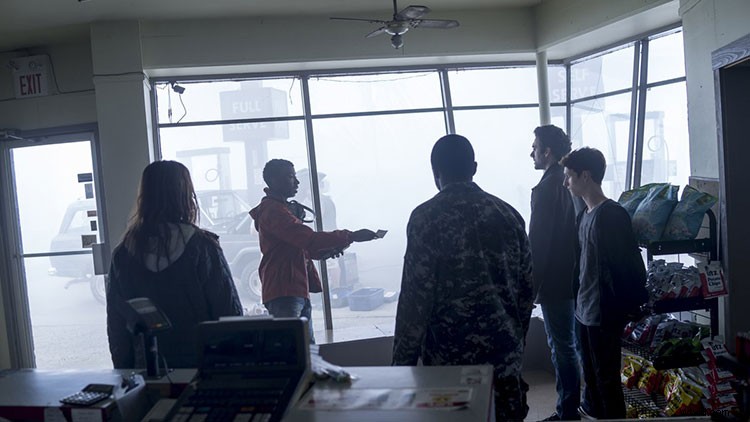
It seems like a no-brainer, but so many nuances can be missed by watching the film and solely hearing the missing quality on the temp track that the editors have put together. Instead, you need to listen to how the director is trying to tell the story through sound and where there are opportunities for you to enhance the emotions of a scene as opposed to just “fixing” bad sound.
2. Pick Your Palette
There are obvious indicators here. If you’re cutting a western, you’re going to be using specific sounds (revolvers not pistols, horses not cars), but what kind of western do you want to hear? There’s a world of difference between the aesthetic of Django: Unchained and The Revenant. Equally, there’s a world of difference in the aesthetics of Blade Runner 2049 and Minority Report — but both are SciFi movies.
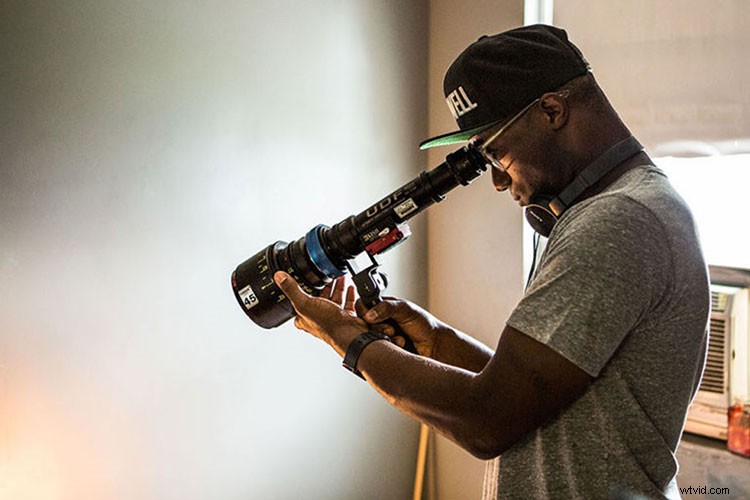
A team will get clear direction from a spotting session, but the task of shaping the aesthetic of a film rests squarely on the shoulders of the sound supervisor and their ability to communicate with the sound editorial departments (those being dialogue, music, sound effects, sound design, backgrounds, and foley). Editors must use their creativity to execute the vision of the director and honor the sonic aesthetic that the team has developed together.
3. Don’t Clutter the Soundscape
Let’s say it again — sound should serve the story. Famed music producer Rick Rubin has been acknowledged for his “production by reduction” process. If a sound isn’t serving a song, it doesn’t need to be in the song at all. Similar to music, a film’s soundscape can easily become cluttered.
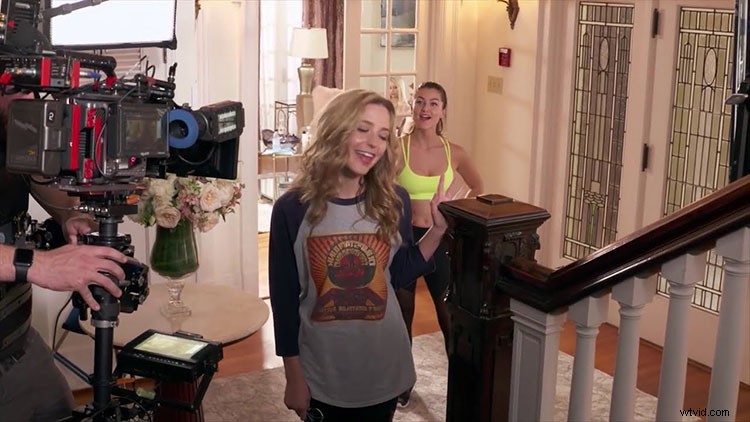
I once heard a famous Hollywood sound designer say “as sound density increases, sonic clarity decreases.” In big battle scenes or car chases, there’s a temptation to throw everything and the kitchen sink into your mix. Revisit movies like Saving Private Ryan, Gone in 60 Seconds, Black Hawk Down, Solo. All of these movies demonstrate focused sound editorial and a finely tuned use of a technique called “perspective mixing.” Pay keen attention to how much engine, how many bullets, and how much exterior sounds you’re hearing while inside a vehicle or on the battlefield with the principal characters — especially over dialogue. You’ll often find it’s much less than you actually perceive you’re hearing.
With these sweeping volume automation moves, a re-recording mixer can focus the listener’s ears on exactly what the director wants them to hear — the story. A film is a collection and blend of talent. Every department is working to serve the story that’s being told. Story is the most important thing in a film. If you’re finding the sonic landscape of a scene too frenetic, try to focus your attention on the story elements within that scene. The solution might be to feature less sound.
4. Art vs. Technology
When it comes to film sound mixing, the craft is largely looked at as an artform. While this is true, it’s also a highly technical speciality. A forensic knowledge of the capabilities of each mixing console is just as much of an art as the actual mixing itself. Regardless of whether your mixing workflow utilizes outboard gear, you need to understand more than just the principles behind compression and equalization.
It’s imperative that you spend countless hours working on dialogue mixing, understanding headroom, and learning about perceived loudness and sound localization. More importantly, it’s imperative that you read those boring user manuals that are often hundreds of pages long. Real understanding of the technology behind sound mixing/editorial allows for complete freedom of expression when mixing/editing sound. There are no magic presets, and just because one approach worked for one film, it might not work at all for another film — even one of the same genre.
5. Keeping a Film on the Rails and Understanding Limitations
Carrying a film through the stages of post-production sound can be difficult, in that the process is never the same from film to film or TV show to TV show. A number of things can affect the post-production schedule and throw certain processes on the back-burner for months. Something as simple as actor/actress availability can delay ADR recording sessions, finalized dialogue edits, and even temp mixes. When plotting your course through this maze, it’s important to remember the triangle of time, cost, and quality.

Too often in post-production, sound editors and mixers are pushed to work extremely long days, and even volunteer their time because the work they do is viewed as their passion rather than their career. Especially when working on independent films, you must remember the following: if you want a quality product done quickly, it’s going to cost you. If you want something cheap that has quality, you’ll have to wait for it. If you want something done quickly and cheaply, the quality is going to suffer.
There are ways to ensure that a film’s sound is diligently handled, while working within a budget. This often comes from a transparent discussion at the onset of the project about a director’s expectations versus the reality of the budget/schedule. Having this discussion is tough but necessary. If there isn’t money in the budget for a loop group, and the director is made aware of this, they won’t show up on the mix days expecting to hear detailed crowd work and customized reactions during specific scenes. If the schedule doesn’t allow for as many mix days as needed, the priorities of the mix team and Sound Supervisor changes to adapt.
Looking for more film and video production tips? Check these out.
- Learn Music Video Playback From An Audio Professional
- Video Tutorial: Fine-Tune Your Next Edit with J and L Cuts
- Video Tutorial: How to Run Audio on Set by Yourself
- Tutorial: How To Clean Up Noisy Audio In Under A Minute
- Eight Tips on Viewing Your Videos with Fresh Eyes
Cover image via Fusionstudio.