
For the past several years, as a keen fanatic of technology, I was somewhat convinced that I didn’t need graduated neutral density filters. For shots that were overexposed because of the bright sky, I could bracket my images to get the perfect exposure. For bright scenes requiring a shallow depth of field, I could use my variable ND. I thought there was no way a $100 filter is going to be a crucial tool. Then I bought one. And everything changed.
For the unaware, this is a graduated neutral density filter — or an ND grad filter for short.
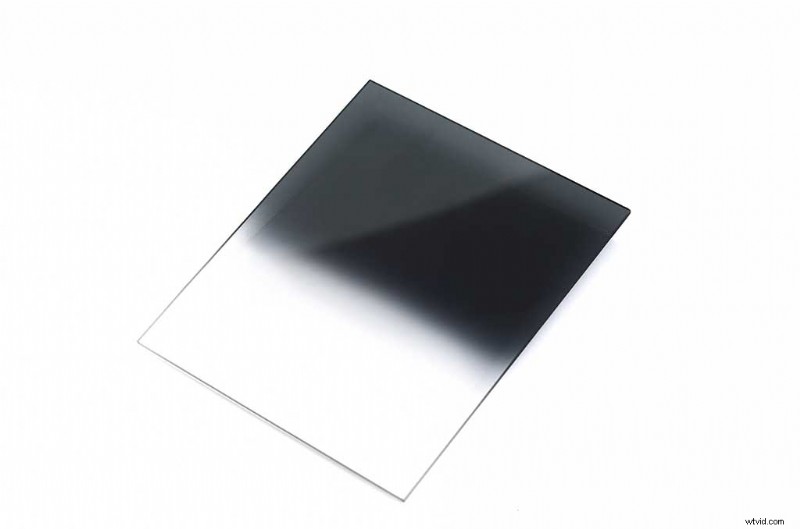
If you’re unfamiliar with natural density filters, let alone a graduated natural density filter, it’s a filter that will reduce the intensity of light entering the lens. ND filters come in a variety of strengths (defined in stops), and the strength will dictate the degree of light reduction. (Note: this is an even reduction across the light spectrum; it won’t reduce color.) You can get ten-stop NDs, which are primarily for slow shutter speed photography to freeze the image to dramatic lengths. Or variable NDs, which you can rotate to varying degree of stops, but both filters fully cover the lens.
Half of a graduated ND filter is either clear glass or clear resin, and the other half is coated with the neutral density filter. As a result, only an area of the image receives the effect of the filter, and most often, that is the sky. However, most graduated ND filter holders will allow you to rotate the filter to suit your composition. Likewise, there are many types of graduated NDs available, from a difference in the strength of the neutral density filter, such as a one-stop reduction or a three-stop reduction, to the strength of the gradient itself. A soft grad would have a gradual gradient from clear to the ND, but a hard grad is slightly more pronounced, and better for when you’re dealing with straighter horizons.
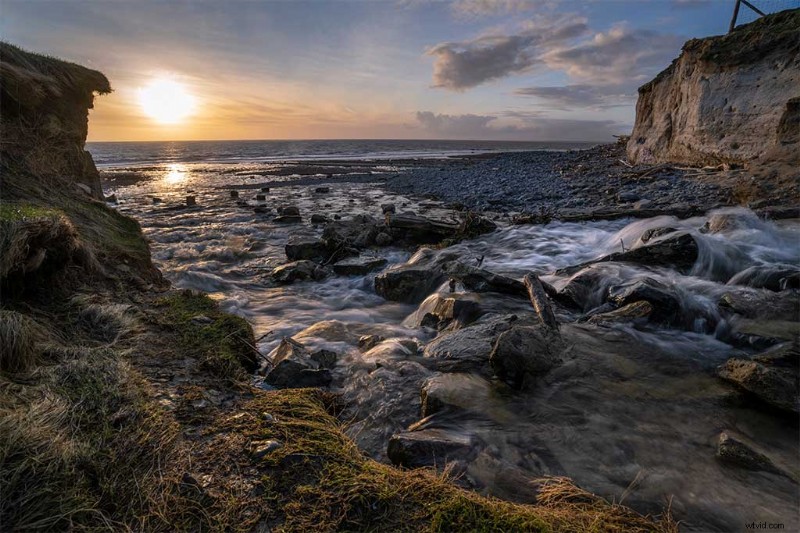
A three-stop medium ND grad was used in this photo to photograph direct sunlight while maintaining exposure of the sky and foreground.
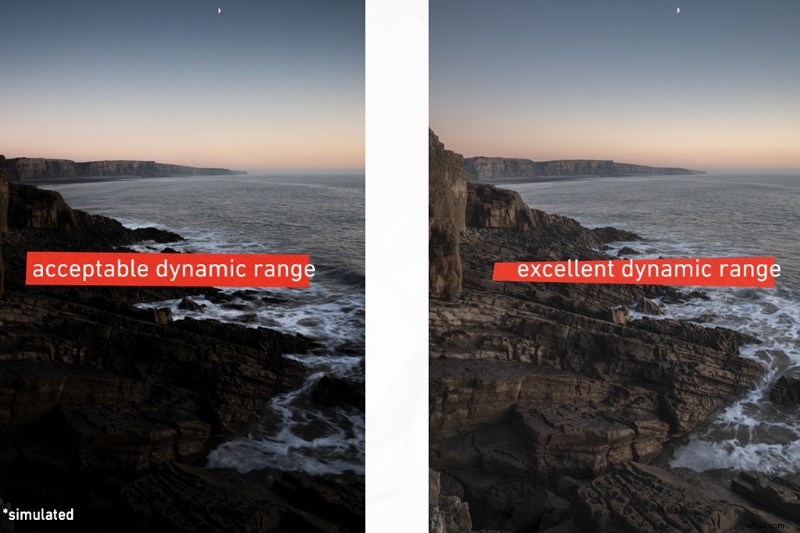
A grad ND will help reduce the intensity of the exposure of the sky — the reason we often experience overexposed skies is because of dynamic range, or lack thereof.
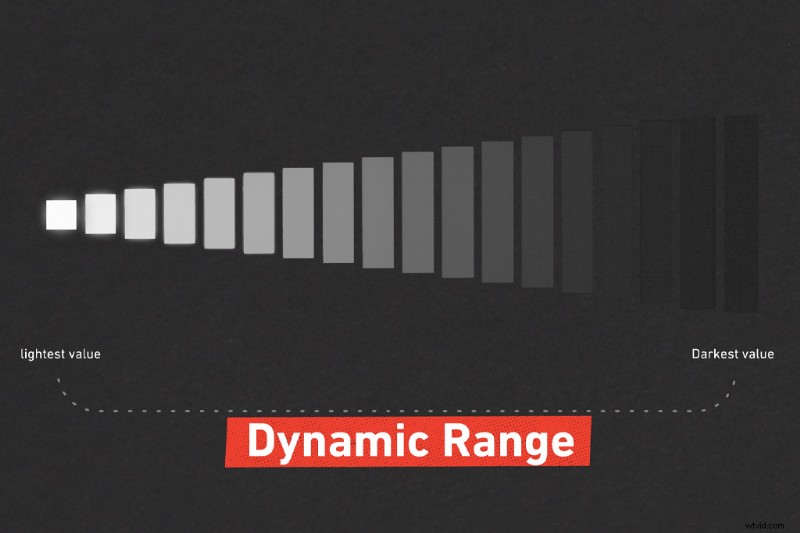
Simplified, dynamic range is the defined ratio between the darkest and lightest values that your camera can register. The greater the dynamic range, the further we can reach into both the shadows and the highlights to retain detail. Take a camera with excellent dynamic range and RAW, and there’s a fair bit of leeway to take a seemingly overexposed shot and display the data retained within the RAW values of the image
For example, here I’ve taken a quick candid snap of this ruin, but as I’m exposing for the interior of the forest, the bright sky and house in the background has clipped.
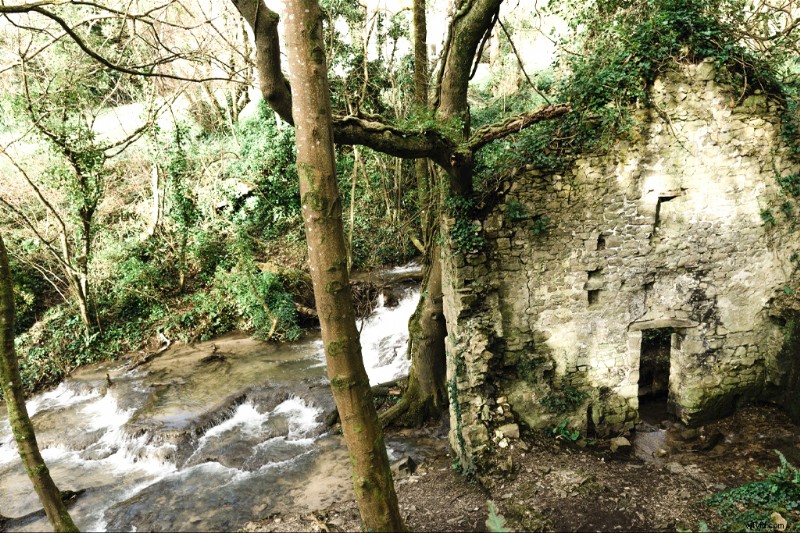
No problem, I can bring that back in Lightroom.
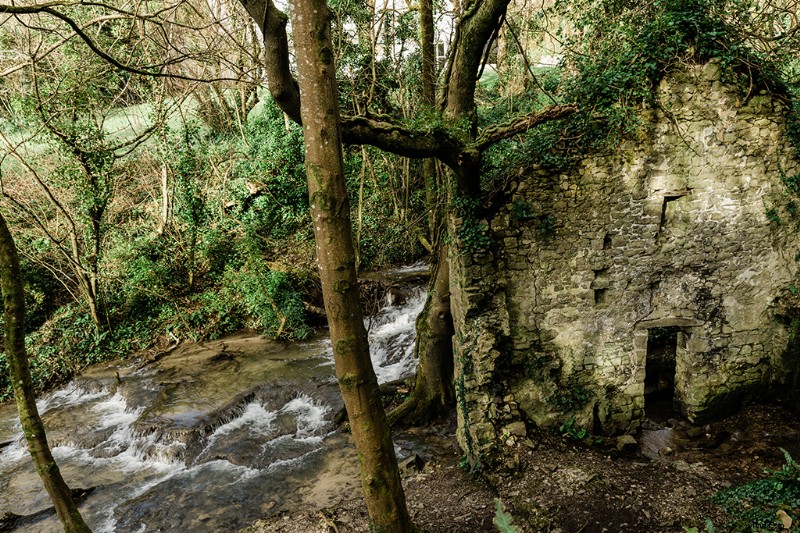
Given that we can seemingly bring back to life even the harshest of highlights, do we still need to use grad NDs? Well, there are two things to consider when digitally reducing highlights. The first, depending on the severity of the highlights, is that you may bring in aberration to the overexposed areas and likewise haloing.
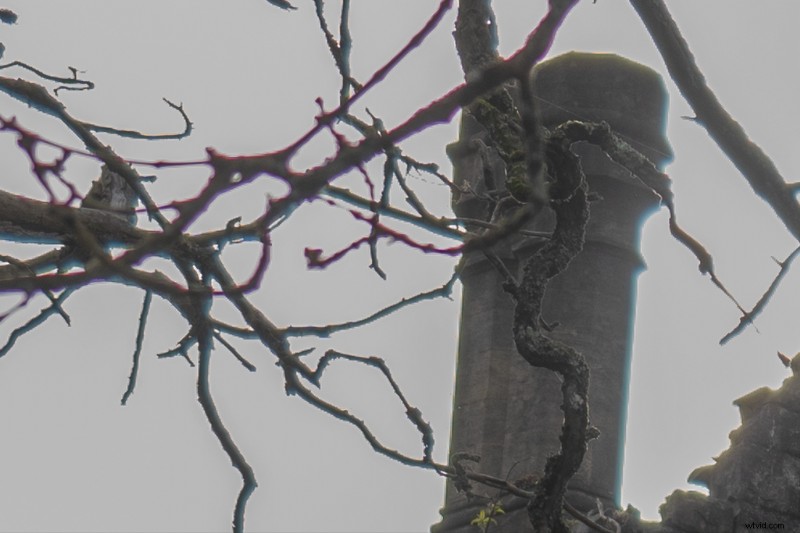
You can fix both to a certain degree with post-production software, but not always. And as soon as you start to face your camera intro strong sunlight, it doesn’t matter what camera you have, the difference between the exposure of the ground vs. the exposure of the sky is, at least in broad daylight, going to be too strong. For as powerful as digital cameras are in 2020, they are not as powerful as the human eye when competing for dynamic range.
Just like the inclusion of digital noise when raising the shadows, there are also detriments to reducing incredibly bright highlights, and I think it’s always apparent when someone has reduced the highlights. As you can see in the snap above, even though I’ve successfully reduced the intensity of the highlights, we’re starting to obtain purple aberration around the branches.
To home in on how important it is to get the shot in the camera, Let’s head into Adobe Lightroom.
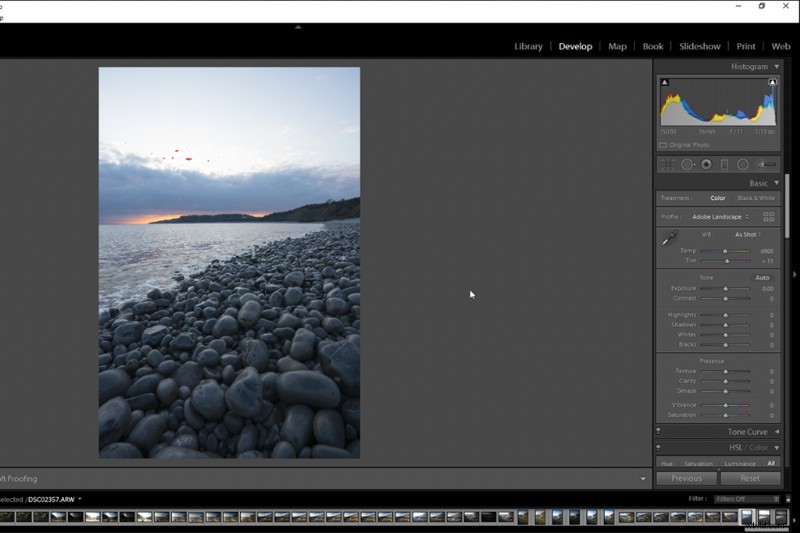
I want to preface this by saying this isn’t a shot I would promote, but it’s perfect for demonstrating ND grad filters. In this particular shot, the sky is nearly two stops brighter than the ground. But the camera has done a great job of maintaining most bright details, but of course, we can rescue the highlights and even create a digital grad filter to mimic the effects.
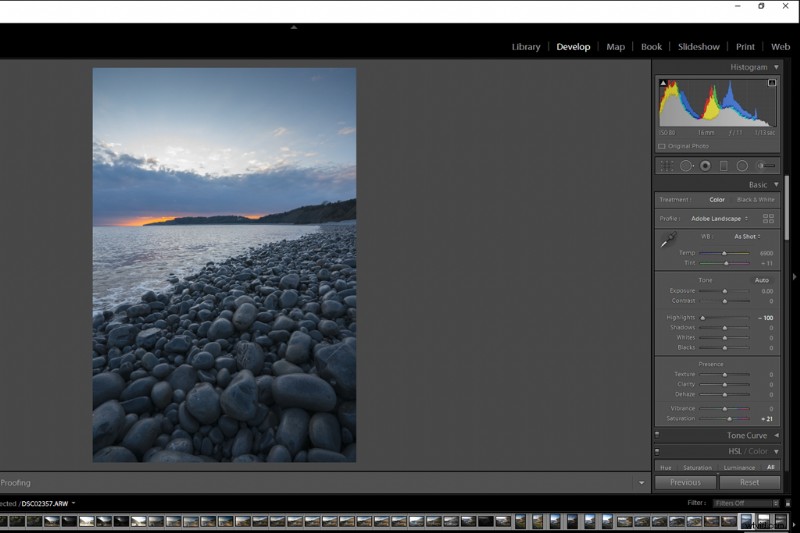
Although, as we have a clipped area here, the color hasn’t returned because that color data was clipped, but for the most part, I think this is a passable image. However, this was without pushing the camera any further. Now let’s say I wanted to slow the shutter a tiny bit, to one second, to make it look like one of those meh B&W landscape canvases your grandmother has in her bathroom. As soon as I reduce the shutter speed, I start to kill the highlights. I could decrease the aperture, but I don’t want to throw these rocks into complete shadow.
So I can do my best to try and edit the photo to bring it to life, but this area, this overexposed area, is gone.
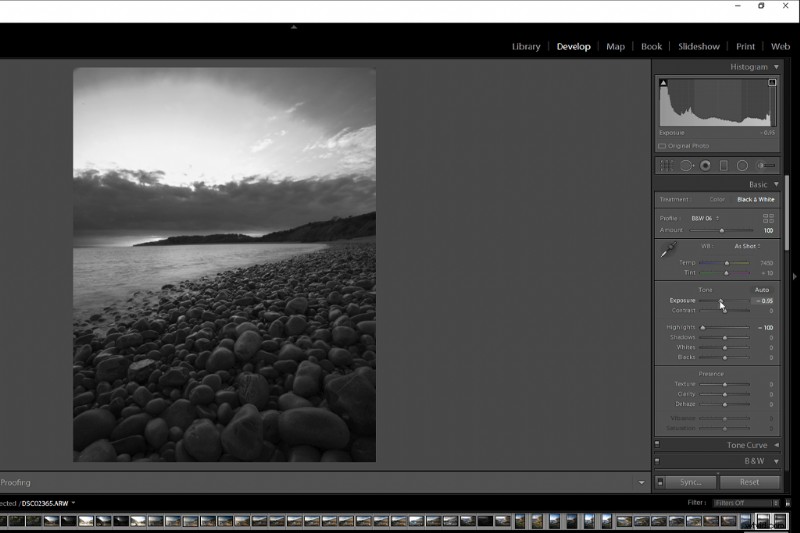
However, when I place a three-stop grad ND in front of the lens, I’ve saved these bright regions, and in doing so, I now have more creative liberty to manipulate the tones to get a beautiful image with rich contrast. Rather than trying to save the image, I’m having fun.
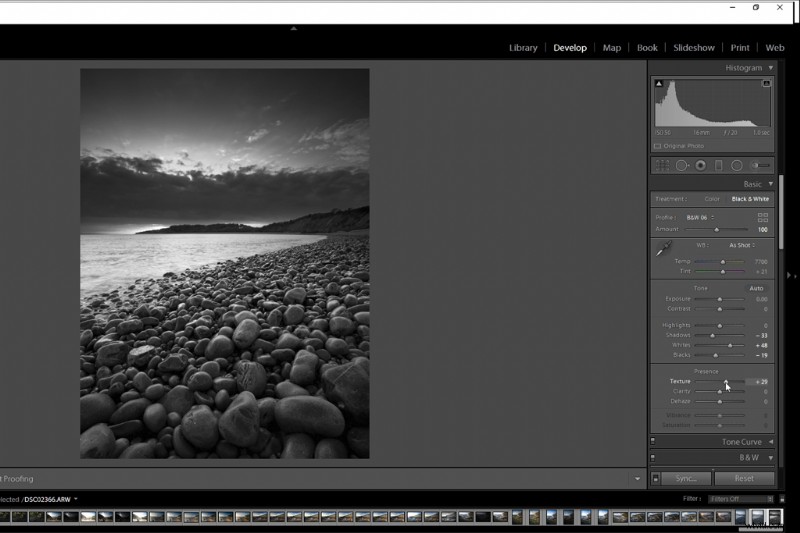
And I know it’s cumbersome to have to set an adapter ring, a filter holder, then the filter, but ultimately, you’re going to get better photographs.
So, where does this leave us? Well, yeah, it doesn’t matter what camera you have, when facing intense bright skies, ultimately, if you want a technically clean photograph, ND grad filters, at least for the foreseeable future, are still superior to banking on RAW image processing
And hey, getting it in-camera is always best.
Interested in the tracks we used to make this video?
- “From East to West” by Arthur Basov
- “Caretaker” by L-Ray Music
- “Dust Country” by Pete Morse
- “Bicycle at Night” by Peter McIsaac Music
Looking for more photography tips and tricks? Check these out.
- 5 Tips for Your Next Panorama Photography Shoot
- Video Tutorial: 5 Simple Tips for Shooting Instant Film
- Portrait Photography: How to Pull Off Rembrandt Lighting
- 4 Landscape Photography Mistakes You Can Easily Avoid
- 6 Cheap Ways to Light Your Next Portrait Photography Shoot