
Video is fundamental to skateboarding. Whether it’s proving that you landed a trick or featuring a brand’s team, skateboarders have been using video to promote their sport and connect with audiences for over thirty years. In that time, stylish skating, slick editing, a well-chosen soundtrack, and of course a few good slams and security guard confrontations have become staples of any respectable tape, just as certain film devices have come to define the genre.
Through our partnership with Red Bull Media House, we got to talk to professional skateboarder, Joey Brezinski, about his thoughts on the modern skateboarding video. Joey explains, “now it’s up to the skaters to create their part the way they want it to be…it’s up to them to get the footage done and land the tricks and then present it to the world.”
We looked to the sport’s most iconic shoots to identify the elements of footage and editing essential to any skate video.
Start Out with a Bang
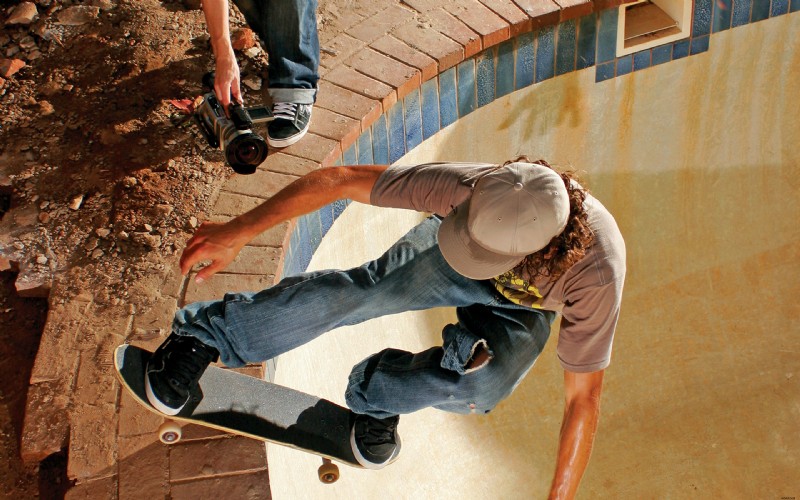
Not many can pull off an intro as legendary (and perilous) as Lakai’s “Fully Flared,” but the goal of every skateboard video is to engage your audience right off the bat. Your intro should not only intrigue viewers, but it should also initiate the tone and mood of the entire piece. Dramatic music swells, cinematic effects like slow motion or lens flares, or a montage that includes all the skaters involved are all tools for an impressive intro.
95% of Transworld Skateboarding’s “Best Video of the Year” awards have gone to videos that start with a team montage and/or cinematic intro.
Make Your Intro and Ender Parts the Best
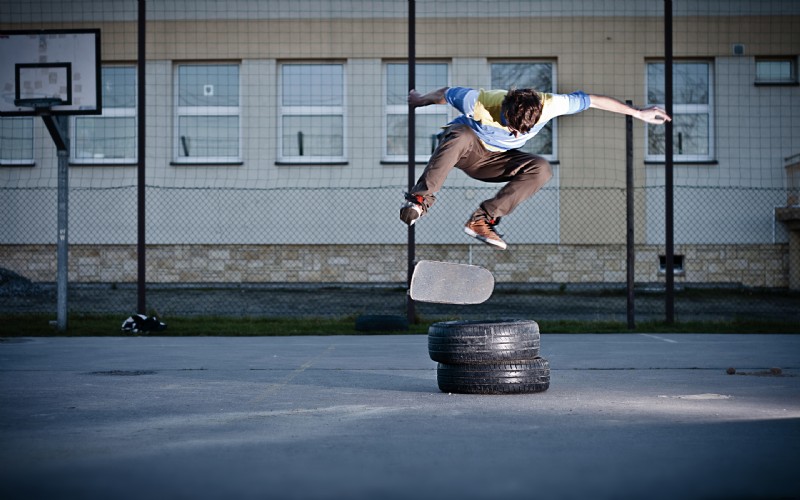
Plan B’s “The Questionable Video” laid out the blueprint of the modern skate video, establishing one consistent truth: Your first and final parts should be the heavy hitters. Parts are a series of tricks done over one to two songs. Most of the time the intro part will be held by a new member of the team looking to prove him or herself, while the ender is the most valuable of parts and usually features the skater who worked the hardest or has the most seniority in the group.
In fact, 56% of Transworld Skateboarding’s “Best Video Part” Awards went to parts that were enders. (17% went to parts that came 2nd to last.)
Develop a Theme or Narrative
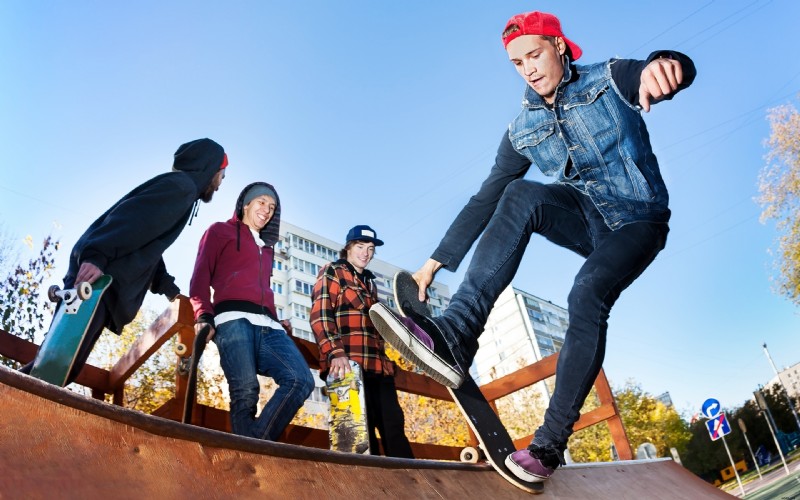
This trend started with Powell-Peralta’s “The Search for Animal Chin” video, but it became a standard after Blind’s “Video Days.” A theme or narrative connects each part and makes the video whole. The theme can develop in many ways, from consistent use of an effect to an actual script-driven narrative.
Since 1998 at least 70% of Transworld Skateboarding’s “Best Video of the Year” awards have gone to videos that have a narrative or a visual theme throughout the whole video.
Try Unique Shots and Experimental Editing
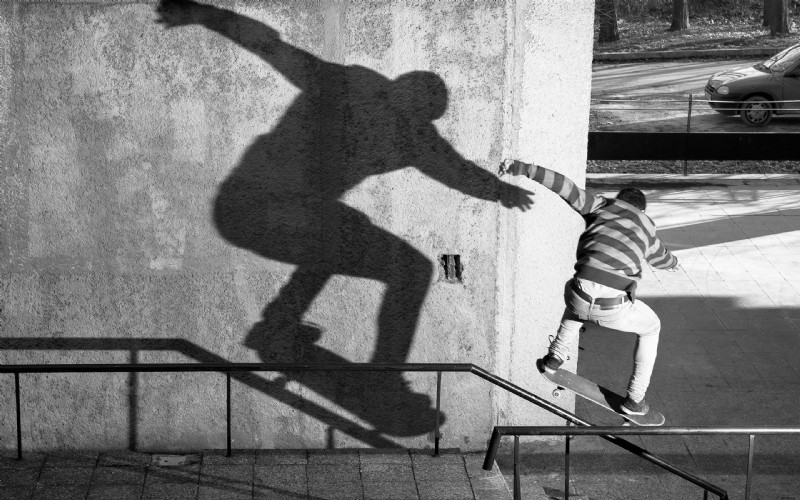
Daring videography and inventive editing are staples in the skateboarding video genre — without it, you risk putting out a video with great skating, but no heart. Find unique angles or ways to film your tricks to keep your video fresh and drive the innovation that skateboarding is built on. Alien Workshop’s “Photosynthesis” is a great early example of a video that went outside of the box with it’s experimental visual style.
Explore unique editing styles with montages between your parts, showing behind-the-scenes footage of your crew, and get gritty by cutting in some falls or bails here and there. Pay attention to your soundtrack to set the pace for edits and alternate between slow motion and regular speed footage for striking visuals, like in Girl & Chocolate’s “Pretty Sweet.”
Pick Music for Impact
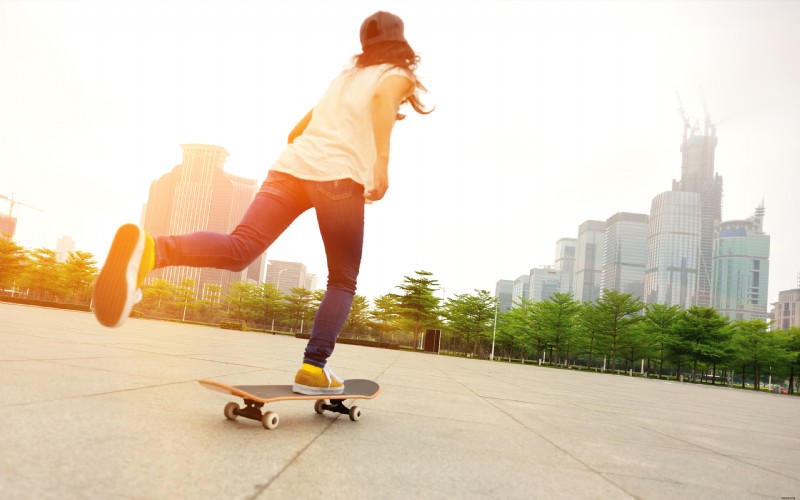
Picking the right music for your skateboard video is paramount. Music evokes emotion, inspires your viewers, and allows for a skateboarder’s personality to really shine. There are tons of examples touching on every music genre, but there are some standard music methods that enhance any skate video: Using music to illustrate a skater’s personality gives your video extra character; look to Guy Mariano’s part in Fully Flared — he’s accompanied by Band of Horses’ tracks, “The Funeral” and “Is There a Ghost”— poignant songs that signal Mariano’s comeback after a hiatus from the sport; You can also edit so that the video hits on the right beats of the music, like in the intro montage of the latest Plan B video “B. True” (streaming on Netflix). And be wary of copyright rules when choosing music— there’s a reason professional skateboard films have music supervisors.
Pay Homage to Skateboarding’s Past
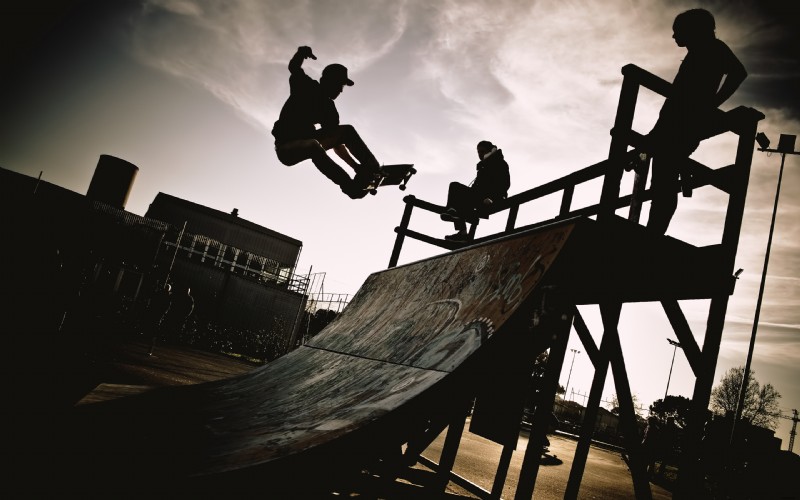
Skateboarding is counter-culture built on innovation, but that doesn’t mean you should disregard the sport’s rich history. Whether you go to a legendary spot and skate or film it in a new way, or you pay homage through “skits” like in Girl’s “Goldfish” (they paid tribute to the 1987 video “The Search For Animal Chin” in one of their skits), or you even film in the retro VX1000 style — it’s always fun to show that you know where skateboarding came from.
Think of Setting as More Than a Backdrop
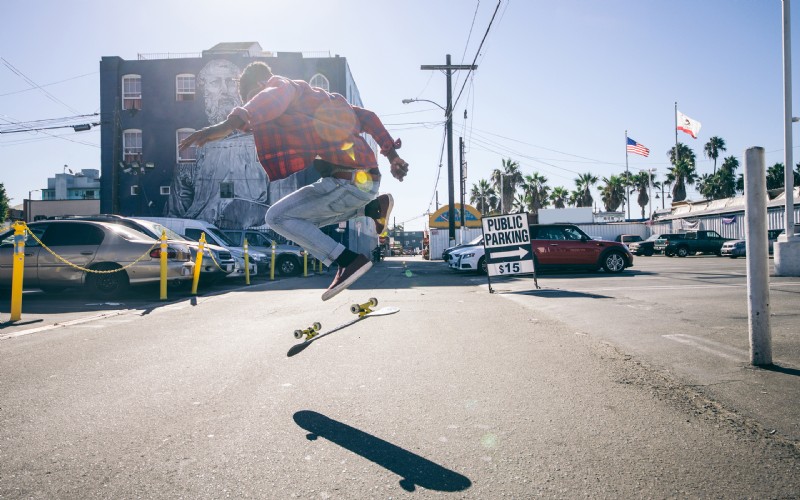
From big cities like Paris or New York with historically rich skate scenes to small towns whose scenes may comprise just a handful of skaters, every location has a unique culture and a story to tell. Supra takes a documentary approach to their Dispatched: Paris video, lacing in parts from team riders at spots around the city with interviews from local skaters and archive footage from the early days of the Paris scene. As this video demonstrates, you can flesh out the setting by dedicating just a few seconds to the context around a famous spot or a local legend, adding weight to your video without taking away from the actual skating.
Don’t Be Afraid to Get Inventive, Like Really Inventive
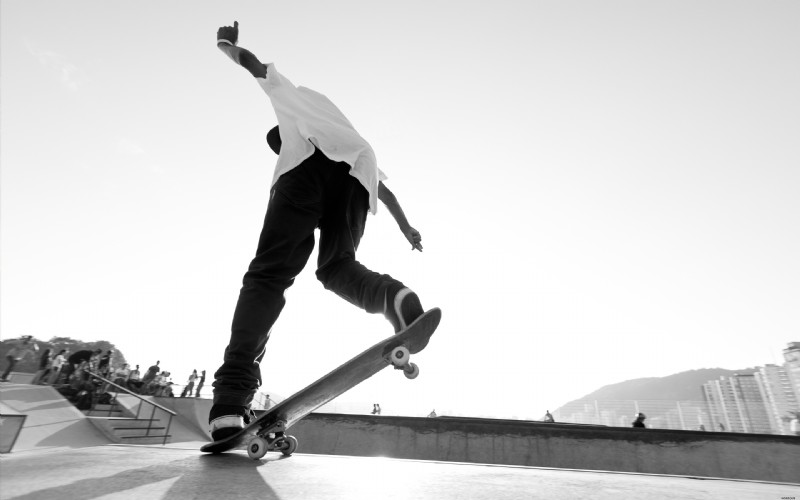
It’s a maxim in the skate community that any spot is skateable if you’re willing to get creative. Moreover, coming at your video part with an outside-the-box approach is a surefire way to distinguish yourself from the thousands upon thousands of skaters pulling from the same bag of a few dozen tricks. To see this concept taken to the extreme, check out Richie Jackson’s off-the-wall Death Skateboards part and modern-day ninja Gou Miyagi’s blatant disregard for convention in his bit for Video Nasty. Nifty camera work and postproduction can only go so far — the necessary ingredient of any skate video is good, raw skateboarding.
Skateboarding has always been a DIY culture. Celebrate Go Skateboarding Day by making your own rad skate video.
Top image by aastock