
Let’s take a look at the post-production workflow and thought process behind the year’s biggest box office success.
After the smashing debut of the recent adaptation of It, we take a look behind the scenes at the editing booth for some production tips and tricks based on piecing together the horror reboot. We’ll also dive into the color grading process and figuring out the “look” of the town of Derry and the underground world of Pennywise the clown.
The Editing Process
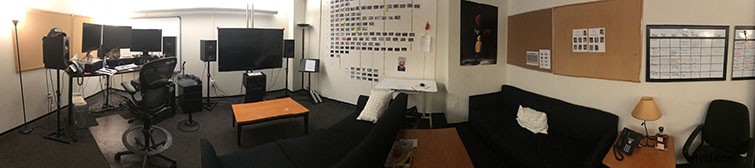
The most recent Steve Hullfish interview dives into the stellar editing team behind It and what the process was like for the post-production team. While discussing the themes and know-how behind editing a horror film, Jason Ballantine, the lead editor, explains the difference in pacing and rhythm that comes with horror. A story like, this broken up into individual encounters with Pennywise for each of the characters, requires a particular approach. So each segment had to have the appropriate rhythm and setup for the inevitable jump scare.
One of the key factors when cutting this film was considering the original source material, as well as the first version of the film from the ’90s. There are “horror rhythms” to consider, as well as filmmaking rhythms Ballantine took into consideration:
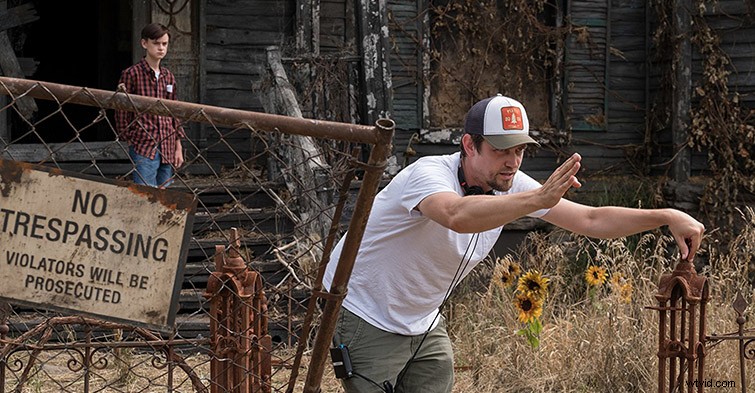
When discussing the importance of a good relationship with the director, Ballantine considers this “everything.” A good rapport with the crew will not only make everybody’s job easier, it will also guarantee future work down the road. Beyond this, a healthy relationship with the director, Andy Muschietti, will also yield a better finished product.
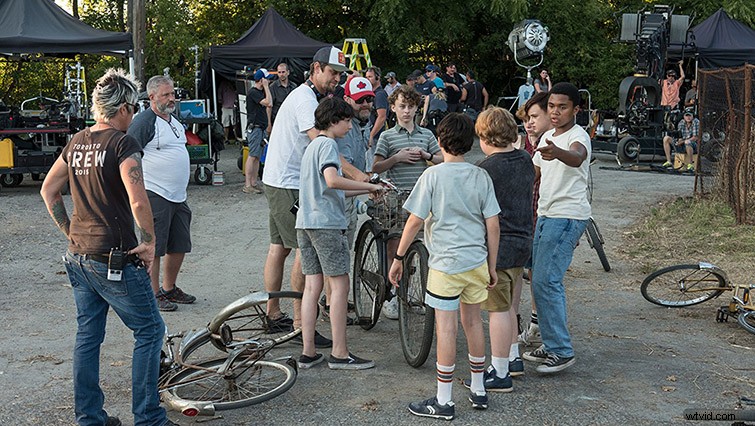
On how the seasoned editor approaches a scene, Ballantine describes his day-to-day workflow from getting his dailies to sitting down with the director looking through what he’s pieced together. Upon receiving the dailies, Ballantine looks through the footage quickly to see if he needs any pickups or reshoots to report back to set. Once he’s done this, his assistant editors make sure all the footage has been copied over before returning the footage for formatting.
From there, Ballantine asks his assistants to arrange the selects in script-order so that he can have a better understanding of the structure, as well as work at a faster pace without worrying about getting lost in the footage. Once he has a good chunk of the selects in the order he wants, the finished product from that batch will be about a third of the original length (the original cut of the film was just short of four hours long).
(The crew edited It on Avid. For more info on a FREE version of Avid’s NLE, check out our past coverage and review here.)
Color Grading the Film
.
Recently postPerspective sat down with the colorist, Stephen Nakamura, about taking on the film after the trailer went viral. One of the most unique aspects of the film’s grading was how the film changed once the initial trailer premiered. The studio had no idea just how excited people would be to see this remake come to life, and the YouTube view count was certainly a good indication.
A crucial step in the color process was the lighting they had to work. The majority of the horror and scares that happen throughout the film occur in broad daylight or well-lit interiors. Playing against the tropes of the horror genre helped this film and its crew succeed where others have failed, creating a look truly unique to the story and vision.
Part of the genius of this color and lighting scheme is how the plot unfolds. The majority of the film takes place in well-lit places as we meet the “losers club.” So, as the film moves forward, and the last act takes place in the dark, shadowy sewer system, the characters are surrounded by darkness, the stakes are high, and we are emotionally invested. Nakamura explains this structure as a way that helped him work with the editors and director coloring the film, according to the themes and tonal shifts that occur throughout the movie.
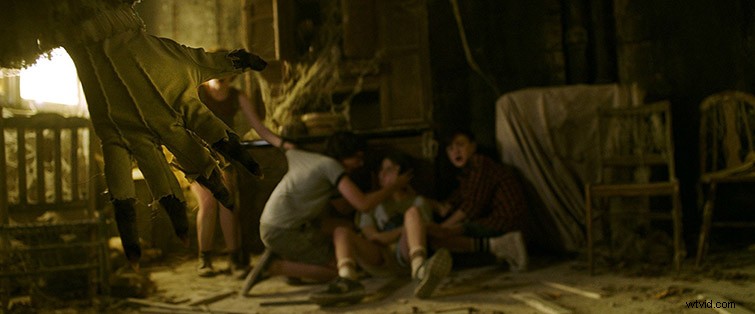
In regards to shooting the film (with the Dolby Cinema HDR capabilities), not only could the image be brighter than usual, it also allowed Nakamura to darken the screen like never before while maintaining detail. This level of control over the image brought to life a terrifying and engaging experience for audiences around the world. The staggering box office numbers indicate that this much thought, time, and care really paid off in the end.
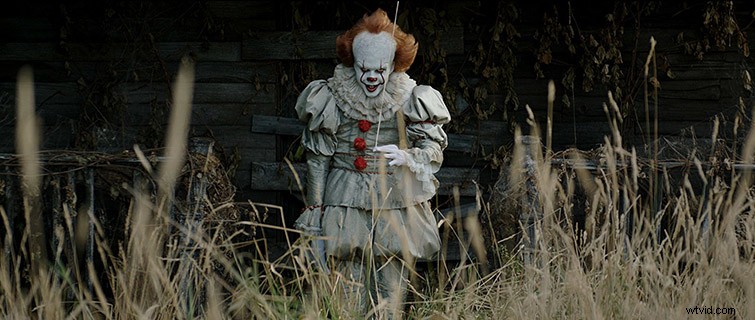
Nakamura suggests viewers see the film in a Dolby cinema if possible to experience the film how he intended it. As for the dreadful killer clown in the film, there was some work done in the DI contributing to the overall appearance of the clown.
As for the software used on the film, Nakamura used none other than DaVinci Resolve, citing its intuitive, easy-to-use nature as its strongest asset. The film is an impressive achievement for everybody involved, and it is a solid example of how a team of filmmaking professionals can produce a piece of work that excels on every level.