
We chat with the filmmakers of Sundance 2021 to explore what cameras, lenses, and gear they used and why. Let’s dive in.
In a typical year, the streets of Park City, Utah would be bustling with activity. Studio executives would mingle with big name stars and up-and-coming indie filmmakers alike, as hordes of press and fans would descend on the usually quiet mountain town. However, like many aspects of life, this year will be quite different indeed.
Yet, while the 2021 Sundance Film Festival might not be flying in full force on the snowy streets of Utah, there’s still a festival going on, and at the heart of it there will be plenty of impressive films. We reached out to the filmmakers of Sundance 2021 to talk about their films and explore the cameras, lenses, and gear that they used to create their fantastic shorts, docs, and features.
Let’s take a look at a few of the technical specs behind some of the big-named features, as well as explore the cameras behind some of the first-timers, to learn what cameras, gear, and insights helped these films standout at Sundance 2021.
ALEXA Mini: Prisoners of the Ghostland (Feature Narrative)
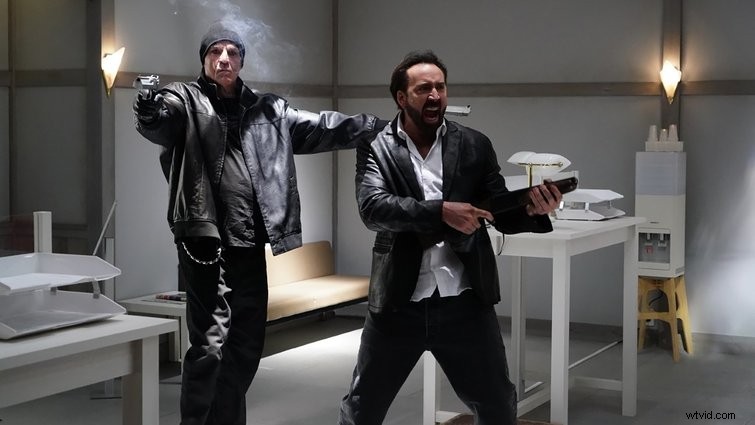
It’s not surprising to hear that many of the films that have premiered at the Sundance Film Festival this year have been shot on ARRI cinema cameras. However, what might be a bit surprising is to hear that one of the more popular in ARRI’s vaulted line of digital cinema options is the ARRI ALEXA Mini. As a more lightweight and slimmed down option compared to other ARRI cameras (which we’ll hear about below), the ALEXA Mini really fits the style and needs of many of the small-budget indies, as well as the run-and-gun nature of several of the Sundance features.
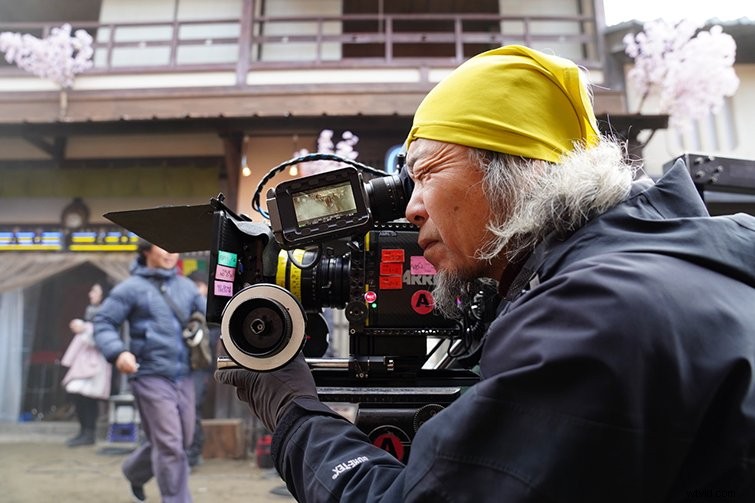
Sion Sono’s Prisoners of the Ghostland became one of the most anticipated premieres at Sundance this year the moment it signed Nicolas Cage as its star. This indie feature combines action, thriller, and horror elements wistfully with its cinematography manned by Sôhei Tanikawa, who creates a truly beautiful pallet of colors and visuals with his ALEXA Mini and Ultra Prime lens setup.
ARRI Amira: Bambirak (Short Narrative)
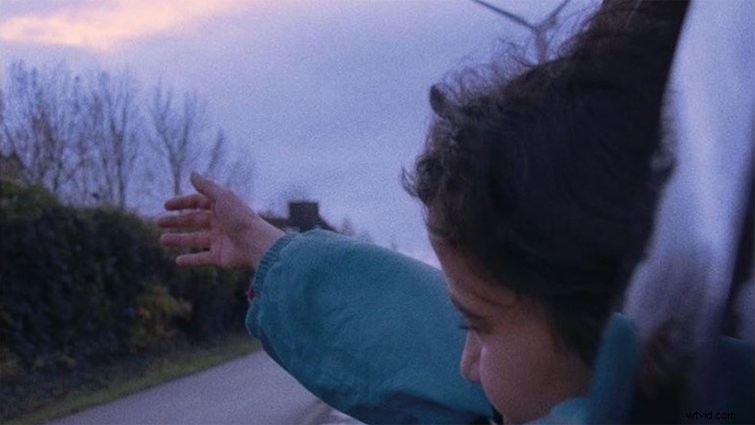
Alongside the ALEXA Mini, another very popular camera for both Sundance features as well as shorts was the ARRI Amira. This was the case for the emerging voices behind the Sundance short Bambirak, written and directed by Zamarin Wahdat. Born in Afghanistan and raised in Germany, Wahdat has honed her filmmaking skills as a camera operator over the years. Along with her DP Lorena Duran, the duo decided to go with the Amira as the best option to get that true film look—without having to actually shoot on film, which can be quite expensive for up-and-coming filmmakers.
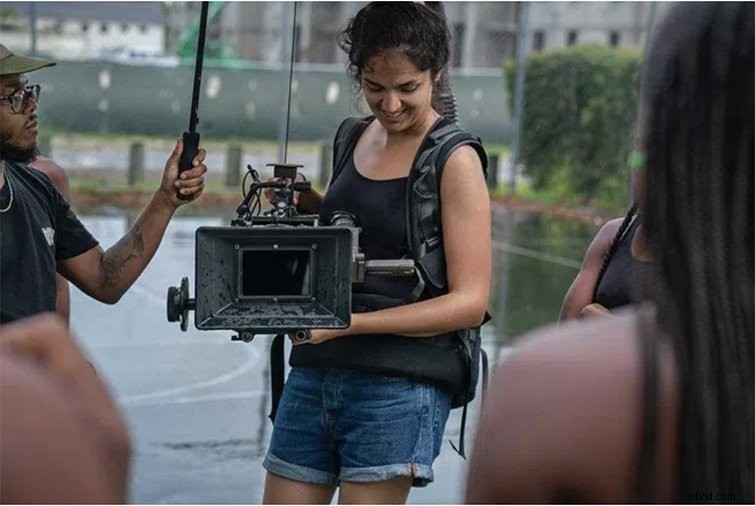
The Amira also proved to be quite flexible as Wahdat decided to shoot the project scaled down and in HD as a work-between with their desired lenses. Overall, the effect worked beautifully to create “a very unique look for our film and a nostalgic feel,” which Wahdat reports appears to many as if “we shot on Super 16.”
Blackmagic Pocket Cinema Camera 6K: R#J (Feature Narrative)
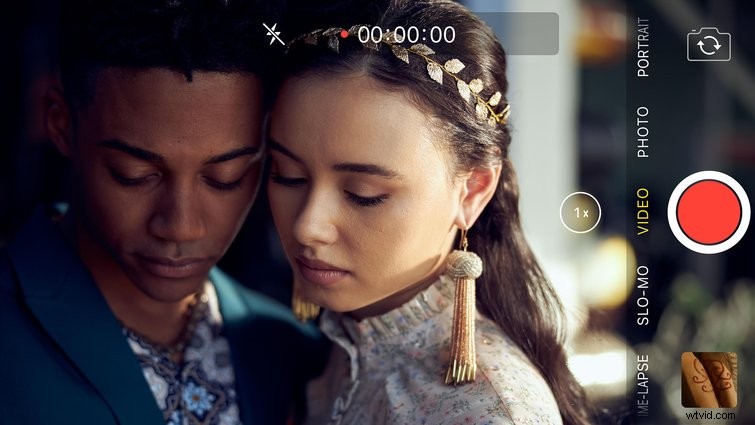
One of the themes of this year’s Sundance Film Festival was a refreshing amount of creative ingenuity on the part of the diverse and talented filmmakers. Because many of the films had to tackle many logistic issues to even film during a global pandemic, while navigating the challenges of production with smaller crews and new safety procedures, many of the stories and filmmaking styles had to find creative ways to adapt.
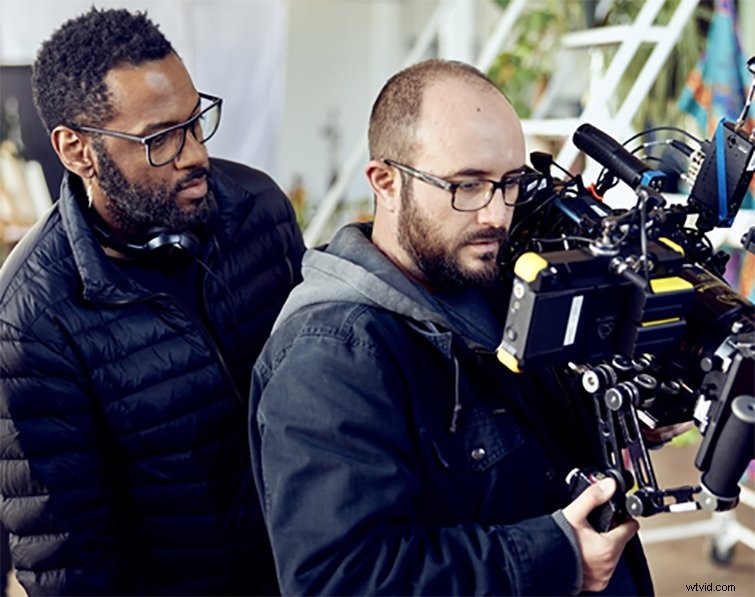
A perfect example of this comes from Sundance shorts alum Carey Williams’ debut feature R#J, which is told from the perspective of the lead characters’ different smartphones. And, while smartphone filmmaking is certainly becoming a thing, Williams and cinematographer Diego Madrigal opted to go with the two more reliable and powerful (yet light, affordable, and nimble) Blackmagic Pocket Cinema Camera 6K cameras. The results are fascinating as you can see a true blend of indie cinematography mixed expertly with a style that makes you feel like you have the power to tell timeless narratives from the palm of your hand.
Sony FS5: Spirits and Rocks: An Azorean Myth (Short Doc)
Sundance isn’t just about narrative, shorts, and features. With each year, the festival features some breakout documentaries that both entertains the audience, as well as actually brings about real change in the world. One of the standout films in the short doc category was by the Swiss-Turkish filmmaker Aylin Gökmen with her film Spirits and Rocks: An Azorean Myth, which she shot on the Sony FS5.
Speaking about her camera choice, as well as her accompanying lenses and rig, Gökmen—alongside her cinematographer Marianna Vas—were tasked with telling the perilous, yet important, stories of the inhabitants of a tumultuous volcanic island. This meant lots of guerilla-style documentary shooting, which meant they had to embrace all the challenges of solo videography and working in tricky situations. Luckily, the Sony FS5 is uniquely qualified for run-and-gun documentary filmmaking without compromising cinematic quality footage, and has served Gökmen well on several projects throughout the years.
Canon C300 Mark II: My Name Is Pauli Murray (Feature Documentary)
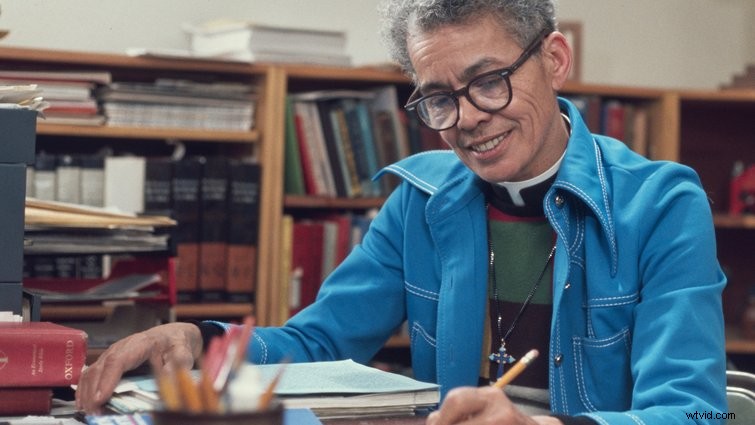
Another one of the most popular cameras found behind Sundance documentary shorts and features was the always reliable Canon C300 Mark II. Used by Claudia Raschke to shoot the documentary feature My Name Is Pauli Murray, the film is a beautiful love letter look at the life and career of the American civil and women’s rights activist Pauli Murray, who was the first African-American woman to be ordained as an Episcopal priest.
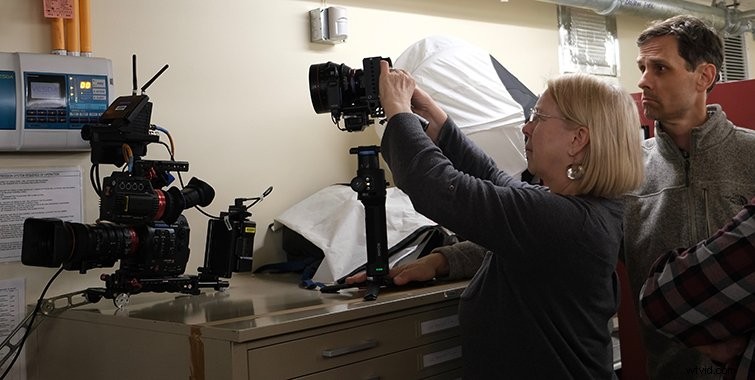
Directed by Julie Cohen and Betsy West (who also produced/directed the Academy Award–nominated documentary RBG), Cohen and West’s latest documentary is another masterclass in how to shine a light on an important civil leader by interweaving writings, photographs, and audio recordings, along with both new and recently discovered interviews and footage. Shot on the Canon C300, Raschke was able to balance this diverse mix of media looks and styles to help weave a seamless story from start to finish.
S16mm on the ARRI 416: Superior (Feature Narrative)
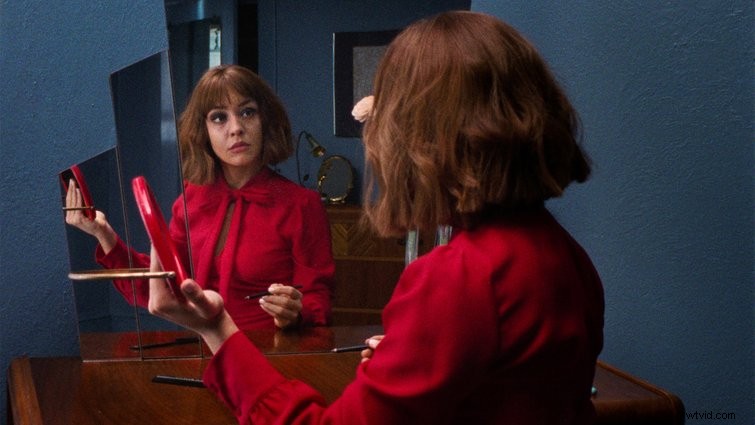
While many of the films at Sundance are shot on digital cameras for aesthetic, practical, and budget reasons, the film look was just as prevalent and dominant as ever this year. And, for filmmakers who are able to shun their digital overlords and embrace the analog film medium, the results can be quite fantastic. This year, one of the U.S. Dramatic Sundance selections was a film called Superior, directed by Erin Vassilopoulos and shot by Mia Cioffi Henry on the ARRI 416 with Kodak Vision3 stocks (specifically 7207 and 7219). Read more about choosing Kodak motion picture stock for your projects.
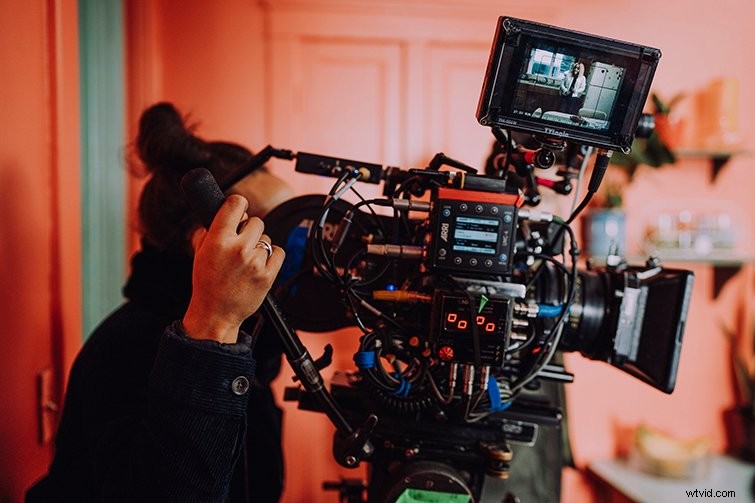
Using a film camera like the ARRI 416 can, of course, be a bit of challenge. But, as Vassilopoulos or Henry will tell you, it’s well worth the risk and investment as the duo were able to truly pull out some luscious visuals, harkening back to the best images of 1980s cinema. Telling a story of two identical twins with vastly different life paths, Superior continues many of the themes and narratives from its original short, confirming that if you want that truly cinematic look, the risk will always be worth the reward.