
A video portfolio is the cornerstone of a videographer’s or editor’s marketing strategy. It offers a curated showcase of your most compelling projects, demonstrates your creative vision, and provides potential clients with tangible evidence of your expertise.
Creating a portfolio that genuinely converts viewers into leads demands careful selection, thoughtful layout, and the right hosting platform. This guide examines standout video portfolios, distills actionable lessons, and walks you through building your own.
TL;DR
- Your portfolio is a library of your best work.
- It’s a critical asset for generating new leads and securing clients.
- The most effective portfolios are concise, intuitive, and let the videos speak.
- Choose between a self‑hosted site or a dedicated portfolio service.
- Always tailor the content to your ideal client.
- Riverside streamlines the entire video‑making pipeline.
What Is a Video Portfolio?
A video portfolio is a professional anthology of your projects—films, short videos, commercial work, or any visual storytelling you’ve produced. It often highlights past clients and showcases the breadth of your skills.
For editors and videographers, a well‑crafted portfolio is your most powerful marketing tool. It lets prospective clients gauge your style, technical proficiency, and the types of projects you excel at.
Why a Video Portfolio Matters
Unlike static resumes, a video portfolio offers an immersive preview of your work. Clients can see how you handle pacing, color grading, sound design, and narrative structure—all critical indicators of your overall quality.
By presenting a polished, organized collection, you set the first impression and influence the perception of your expertise, reliability, and creativity.
Online visibility also boosts organic discovery, expanding your reach to a global audience of potential clients.
6 Best Example Video Portfolios to Learn From
Below are six exemplary portfolios that demonstrate a range of styles, niches, and presentation strategies.
Sam Kolder
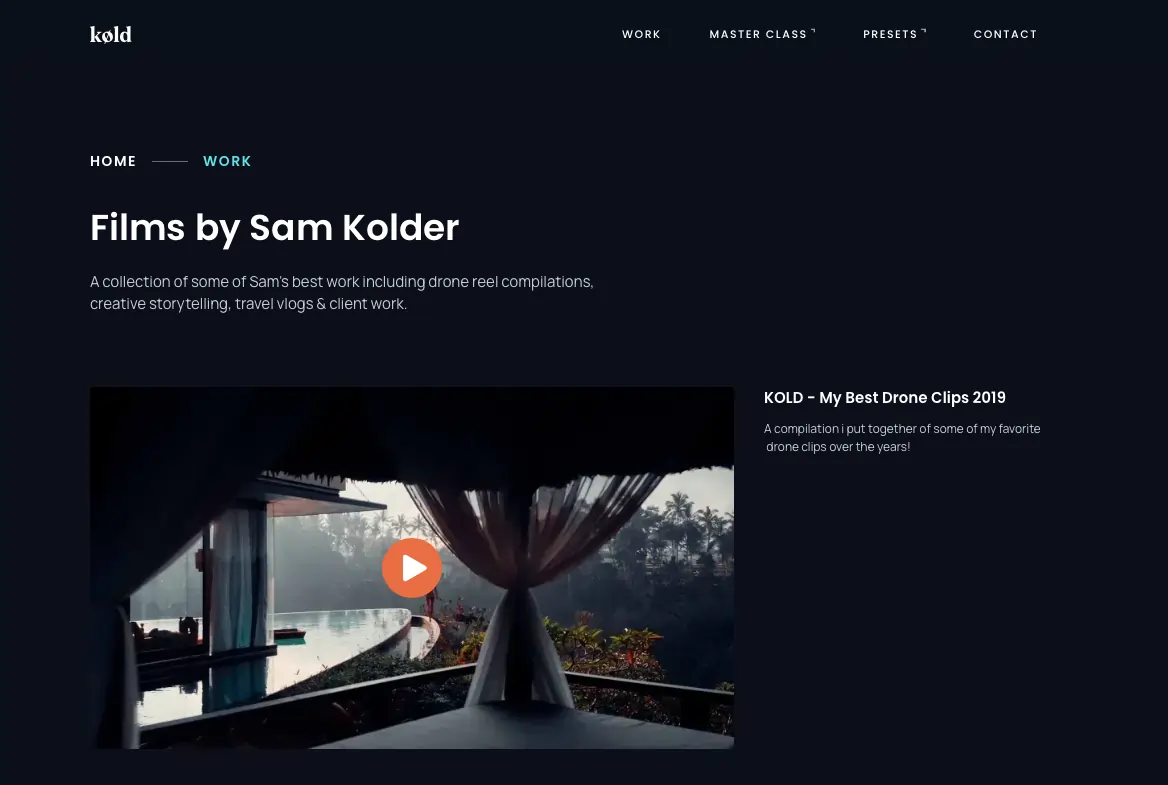
Sam Kolder’s personal website showcases a diverse mix of film, photography, and branded content. His “Best Drone Clips 2019” showreel and travel diary “Exploring Indonesia – The Last Paradise” illustrate both technical mastery and storytelling flair.
Key Takeaways:
- Clear, personal style communicated through curated content.
- Intuitive navigation and clean design.
- Video titles and descriptions provide context.
- Prominent call‑to‑action (CTA) buttons on every page.
Aaron Novak
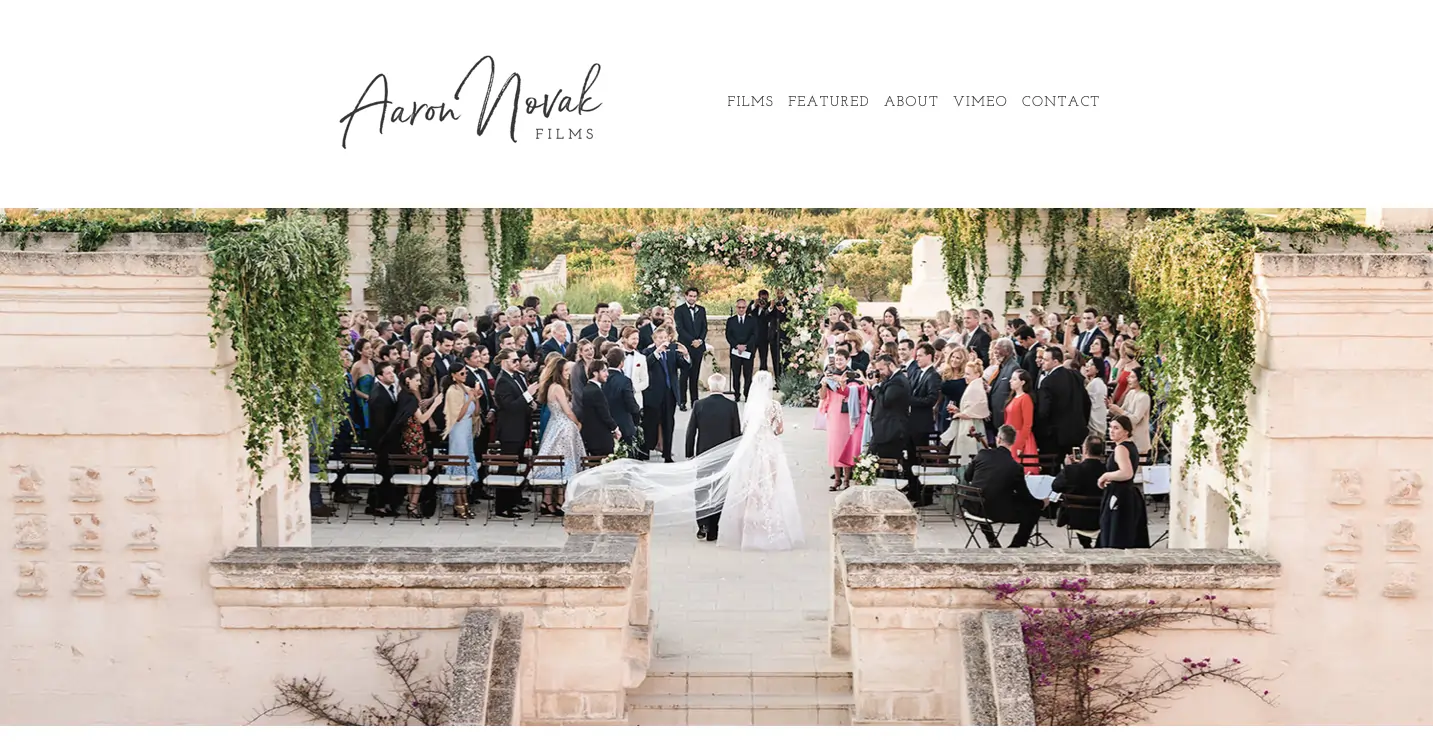
Specializing in wedding videography, Aaron Novak’s site targets engaged couples and showcases a selection of his best work. Highlighting celebrity clients adds credibility and social proof.
Key Takeaways:
- Clear niche focus with tailored content for the target audience.
- Curated, high‑quality selections—no filler.
- Consistent, minimalist design aligned with brand identity.
Marshall Street Editors
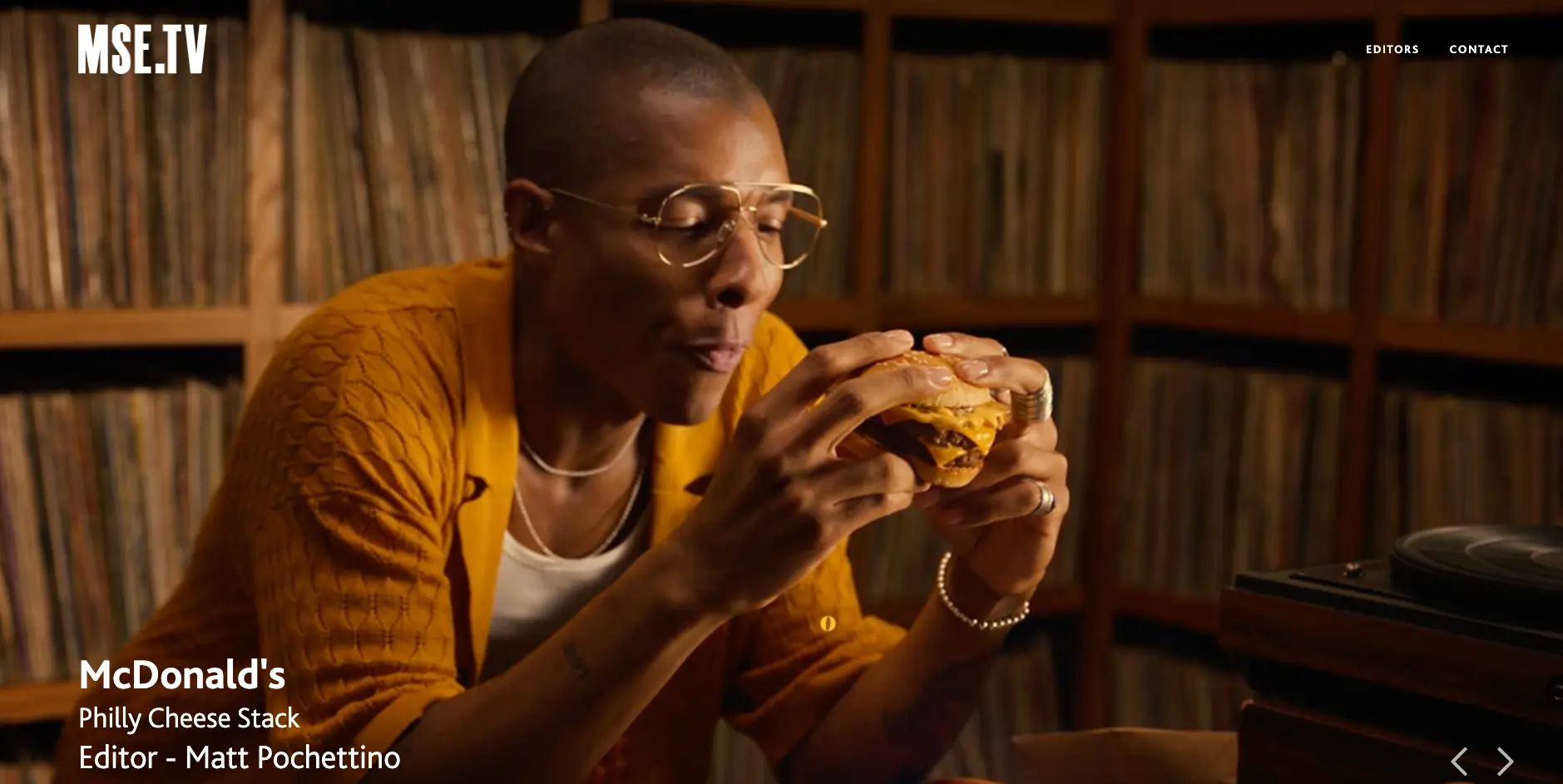
MSE.TV features a rotating gallery of each editor’s work. Clicking an editor’s name leads to a dedicated portfolio page.
Key Takeaways:
- Immediate visual entry point.
- Wide range of commercial, music video, and online content.
- Heavy emphasis on visuals, minimal text.
Nomad
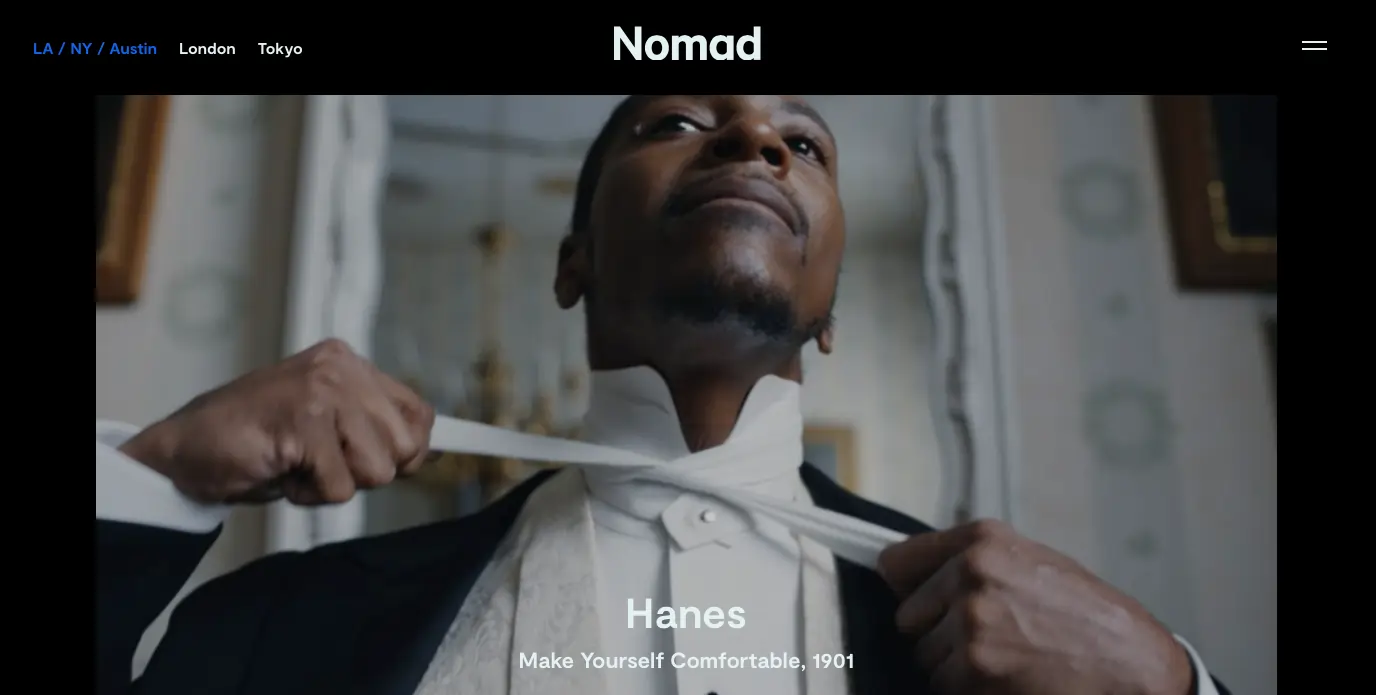
Nomad balances corporate branding with individual creative voices. Visitors can filter by service type or by team member.
Key Takeaways:
- Strong brand identity alongside personal portfolios.
- Clear filtering by service category.
- Easy navigation and straightforward layout.
Curate Films
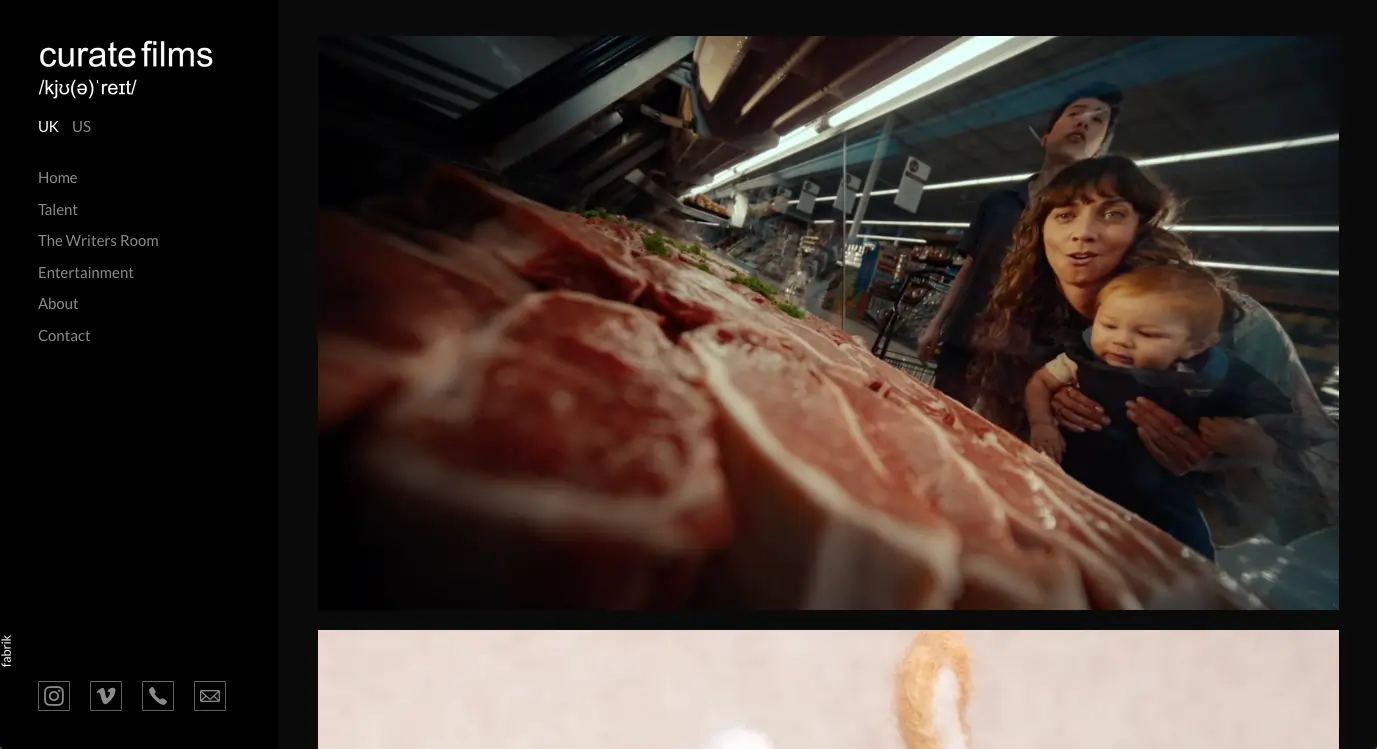
Curate Films, a long‑form production house, showcases award‑winning work across features, TV, and commercials. The homepage launches directly into the portfolio.
Key Takeaways:
- Minimalist design focused on high‑impact visuals.
- Highlighted client list demonstrates prestige.
- Selective, polished showcase of best work.
Cut & Run
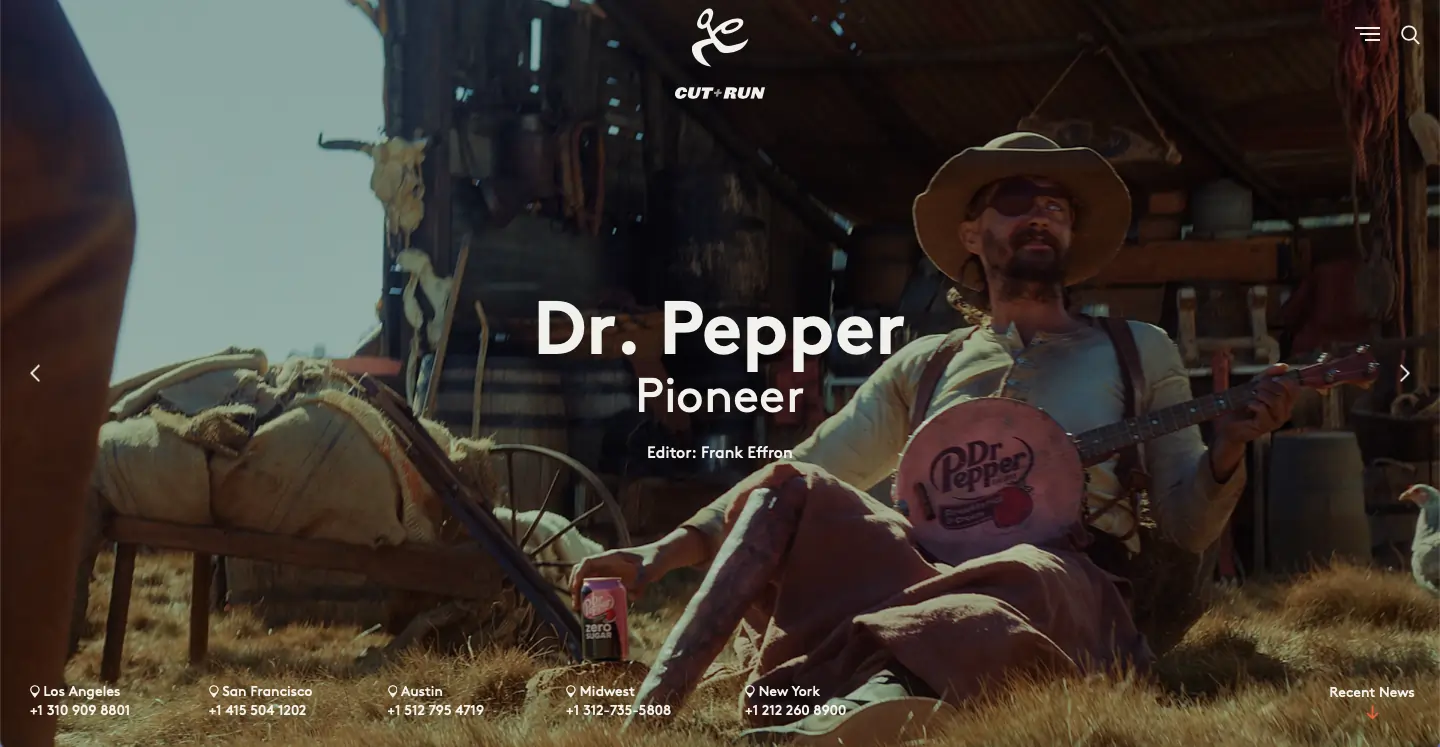
Cut & Run’s scrolling gallery features big‑name clients and credits each editor. The design is clean, and the highlights are front‑and‑center.
Key Takeaways:
- Front‑loaded client names build trust.
- Scrolling banner offers a quick visual overview.
- Simple, uncluttered interface.
How to Build Your Own Online Video Portfolio
There are multiple approaches, depending on your resources and technical comfort.
Showreel
If a full website feels premature, a showreel is an excellent starting point. Concise compilations of your best clips can be shared on social media or YouTube. Lee Mumford’s FPV showreel exemplifies this format.
Website
Ultimately, a dedicated website remains the most powerful platform. Two primary models exist:
Self‑Hosted Portfolio
Building your own site with tools like Squarespace, Wix, or WordPress grants full creative control. You can start from a pre‑built template or design from scratch, but you’ll need to manage domain registration, hosting, and ongoing maintenance.
Hosting Service
For those who prefer a hands‑off solution, specialized portfolio hosts (Carbon Made, Dripbook, Authory, Format) let you upload videos and choose from curated templates. These services typically charge a subscription that caps the number of uploads.
Tips for a Powerful Video Portfolio
Consider these best practices when assembling your collection:
Take Your Time
Rushing a portfolio can undermine its impact. Allocate time to curate content, design layout, and craft concise, compelling descriptions.
Target Your Ideal Client
Even if you’ve worked across many genres, prioritize projects that resonate with the audience you want to attract.
Simplicity and Usability
Navigation should be intuitive, with minimal clicks to view a video. Avoid clutter and excessive text.
Showcase Only the Best
Quality trumps quantity. Exclude dated or lower‑quality work that could dilute your brand.
Highlight Your Unique Value
Emphasize the distinct style or skill set that sets you apart from competitors.
Keep It Concise
A curated library of top projects, accompanied by minimal commentary, lets the visuals do the storytelling.
Clear CTAs
Make it effortless for visitors to contact you or request a quote.
Speed Up Your Video Workflow with Riverside
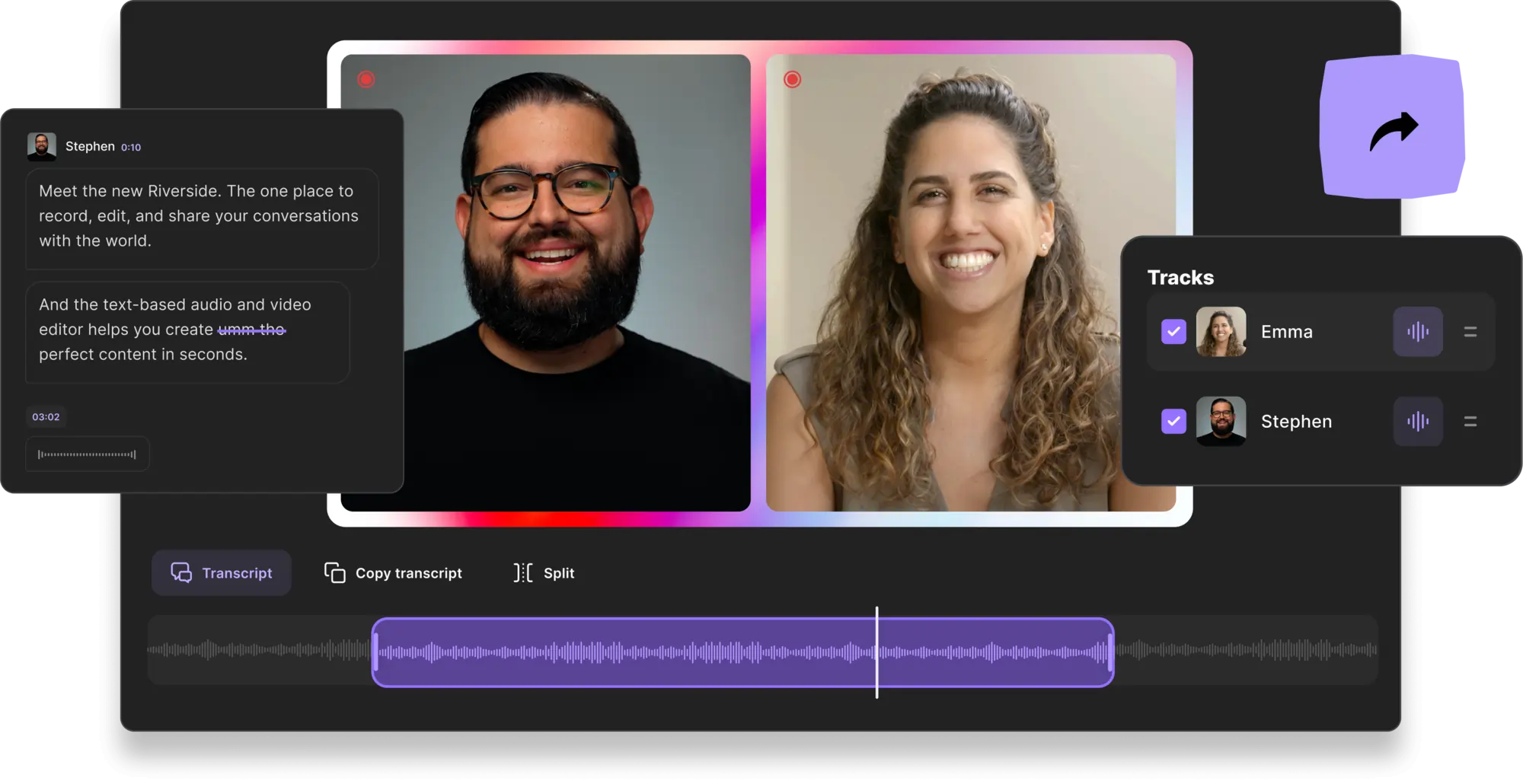
Riverside is a browser‑based studio that streamlines recording, editing, and publishing for remote collaborations. Key features include:
- Local recording of each participant to safeguard against poor internet.
- Up to 4K video and 48kHz audio quality.
- Multitrack sessions for granular post‑production control.
- Lossless WAV/MP4 outputs.
- Unlimited recording and cloud storage.
- Producer mode and Riverside for Business for team workflows.
- Custom branding and adjustable camera settings.
Editing tools simplify the process further:
- Transcription‑based editing for intuitive cuts.
- Searchable transcripts to locate key moments.
- AI‑driven “Magic Clips” to generate social‑ready highlights.
- Accurate, speaker‑separated transcriptions in 100+ languages.
- Flexible format, resolution, and speaker‑mode options.
- Audio normalization and noise removal.
FAQs About Video Portfolios
How do I create a standout portfolio?
Feature only your best work, curate a diverse yet focused selection, and design a clean interface that prioritizes the videos. Include concise descriptions that provide context.
What should be included?
A balanced mix of projects that showcase your expertise, style, and client types—without overwhelming the viewer.
Where can I host my portfolio?
Options range from self‑hosted sites (Wix, Squarespace, WordPress) to dedicated hosts (Carbon Made, Dripbook, Authory, Format).
Can I build a free portfolio?
Free solutions exist, such as Adobe Creative Cloud’s website builder, but they often come with limited customization and storage.