
When shopping for a new digital camera, you’ll likely encounter terms like HDR photography and dynamic range. If you’re new to contemporary photography, you might ask: What exactly is dynamic range, and why is it important?
What Is Dynamic Range in Photography?
Dynamic range refers to a camera’s ability to capture the full spectrum of light—from the darkest shadows to the brightest highlights—within a single frame.
Why You Need to Understand Dynamic Range
To produce images that showcase your subject with balanced shadows and highlights, you must know your camera’s limits and how to work within them. Modern digital sensors and editing tools let you push scenes beyond the native range, but a solid grasp of dynamic range makes the process smoother and the results more convincing.
Dynamic Range in Cameras
All cameras possess a dynamic range, but the extent varies based on sensor size and technology. Compact cameras, with smaller sensors, typically offer less range than DSLRs and mirrorless models with larger sensors. Full‑frame, high‑end cameras lead the field, yet even among them, sensor quality can produce measurable differences in highlight and shadow retention.
Photo by JESHOOTS-com Licensed under CCO
The Dynamic Range of Scanners
Scanners approximate dynamic range through pigment density, using the Dmax value to indicate maximum density. A higher Dmax means the scanner can capture darker tones more faithfully.
Tips for Comparing Dynamic Range in Different Products
Dynamic range differs widely across devices, so direct comparisons can be misleading. Manufacturers often quote idealized values, and real‑world performance depends on lighting conditions and post‑processing workflow.
The Human Eye and Dynamic Range
Our eyes adapt quickly to varying light levels, giving us a perception of a much broader dynamic range than most cameras. This innate advantage explains why high‑contrast scenes can still look natural to the human eye, even when cameras struggle to capture every detail.
What Influences Dynamic Range
Dynamic range is shaped by several factors beyond sensor capability, including lighting intensity, reflectivity, and the time of day.
Influence of Light
Both direct and reflected light affect the scene’s dynamic range. Understanding illuminance and reflectivity helps you anticipate and control the extremes of highlights and shadows.
Photo by distelAPPArath Licensed under CCO
When planning a shoot, look for strong reflections—water, glass, or shiny surfaces—and be mindful of uneven lighting from architectural features like skyscrapers, which can create stark contrasts.
How is Dynamic Range in Photography Measured?
Photographers quantify dynamic range using the concept of stops. Each stop doubles the amount of light; for example, f/2.8 allows twice the light as f/4.
Consider the Scene’s Dynamic Range
Lighting conditions dramatically influence dynamic range. A bright, cloudless day introduces high contrast, while an overcast sky yields a more subdued range that is easier for most cameras to handle.
- Sunny days with little cloud cover produce high‑contrast scenes with pronounced highlights and deep shadows.
- Overcast days reduce contrast, making it simpler to capture the full tonal range.
Source: Pixabay
Capturing Your Vision
The amount of light affects every element of a shot, from background brightness to subject contrast. Deciding which parts of a scene you want to emphasize—whether that’s sharp highlights or deep shadows—is essential to achieving your artistic vision.
Some photographers intentionally pursue high‑contrast scenes, using lighting conditions to create dramatic images. Others opt for balanced exposure. Your personal preference will guide how you manage dynamic range.
What if It’s Too Bright for My Camera?
If a scene exceeds your camera’s native range, you’ll have to choose between preserving highlights or shadows. Overexposing highlights sacrifices shadow detail, while underexposing shadows can render them black.
How to Manage Dynamic Range
When a scene’s dynamic range surpasses your camera’s capacity, there are practical solutions to capture a faithful representation.
Reduce the Dynamic Range of a Scene
The first step is often to lower the scene’s overall contrast. This can be done in three ways:
1. Lighten Shadows
Adding light to darker areas brings them closer to the scene’s natural midtones. Techniques include:
- Using a flash or continuous light to fill shadows.
- Employing reflective surfaces like mirrors or bounce cards.
- Shooting in RAW and adjusting the shadow slider during post‑processing.
- Using editing tools in Lightroom or similar software to selectively brighten shadow zones.

Photo by syriary91 Licensed by CCO
2. Darken Highlights
When bright highlights overwhelm the image, you can reduce their intensity:
- Introduce diffusers or shade to soften harsh light.
- Apply an ND filter to dim the sky or other bright elements.
- Shoot in RAW and lower the highlight slider during post‑processing.
Graduated neutral‑density filters—available both physically and digitally—are a popular choice for landscape photography, allowing you to balance bright skies with darker foregrounds.
Avoid High Contrast Scenes
Strategic composition can prevent extreme highlights and shadows:
- Position subjects in shaded areas whenever possible.
- Avoid shooting at midday when the sun is at its peak.
- For portraits, place subjects so the light source is behind them, preventing harsh front lighting.
Embrace the Dynamic Range of a Scene
When the scene’s range still exceeds your camera’s capabilities, High Dynamic Range (HDR) processing can bridge the gap. HDR combines multiple exposures, selecting the best data from each to create a balanced image.
Understanding HDR Photography: Technology to the Rescue
HDR merges the brightest highlights from one shot with the darkest shadows from another, producing an image that approximates what the human eye would see.
The Problem with High Dynamic Range Processing
HDR is not without pitfalls. Poorly executed HDR can result in unnatural “halo” effects or an overly processed look that feels artificial.
For instance, photographing a bright window scene might capture the outside world vividly while rendering the interior walls too dark. Conversely, focusing on interior walls can cause the outside to appear washed out. HDR can blend these extremes, but it requires careful control to maintain realism.
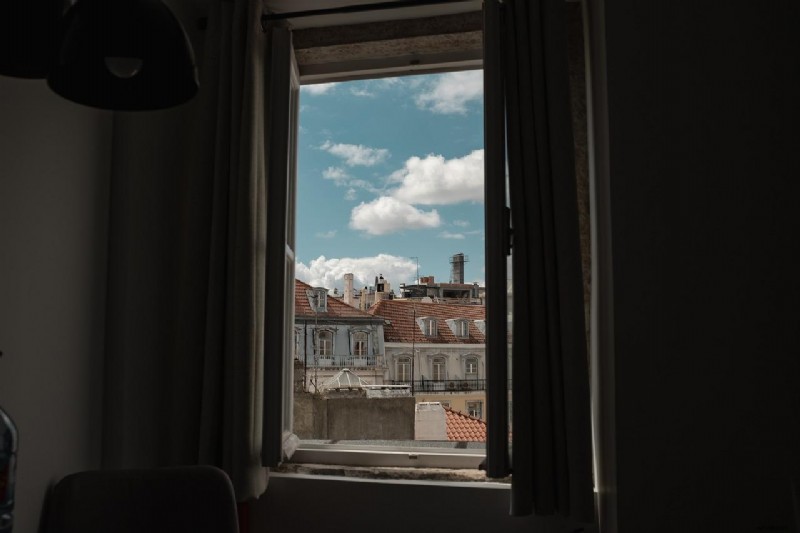
Photo by Emischoemii Licensed by CCO

Photo by coyot Licensed by CCO
Don’t Underestimate Technological Advances in Photography
Recent camera advancements, coupled with sophisticated HDR workflows, have narrowed the gap between what a camera can capture and what the human eye perceives. Future models promise even greater native dynamic ranges, further reducing reliance on post‑processing.

Photo by Joshua_Willson Licensed by CCO
Getting Creative With Dynamic Range in Photography
Dynamic range offers a canvas for creative expression. By manipulating light, shadow, and exposure—both on the camera and in post‑processing—you can achieve a wide array of visual styles.
Source: Pixabay
Dynamic Range and Photo Editing
Post‑processing tools give you fine control over dynamic range. Understanding how these tools interact with your image’s tonal data is key to achieving natural, compelling results.
Histograms Give You Clues About the Dynamic Range
A histogram visualizes pixel distribution across tonal values. Peaks indicate areas of high detail, while valleys reveal under‑ or over‑exposed regions. Photographers who favor high contrast often see pronounced peaks and troughs, whereas low‑contrast images appear more level.
The Influence of Image Type & Tonal Curve
Raw files retain the sensor’s full dynamic range, whereas converted formats may compress data. When working with limited‑bandwidth file types, consider using HDR‑capable software that preserves as much tonal information as possible.
Dynamic Range and Camera Choice
While megapixels once dominated camera specifications, the focus has shifted to dynamic range. Modern consumers value the ability to capture subtle tonal transitions and recover detail in both shadows and highlights. When shopping for a new camera, evaluate the sensor’s dynamic range alongside other features such as autofocus performance and build quality.
Final Thoughts on Dynamic Range
Mastering dynamic range—from sensor selection to exposure technique and post‑processing—empowers you to create images that faithfully reflect the scene’s full spectrum of light. Experiment, learn the limits of your gear, and let your creative vision guide you.