
Rode VideoMic Go II: A $99 Shotgun Mic That Competes With Premium Models
When I first purchased a mirrorless camera, the bundled Rode VideoMic Go was an appealing choice for on‑camera audio. While the original budget shotgun mic provided a solid foundation, it suffered from excessive self‑noise and inconsistent performance. After experiencing these issues first‑hand and hearing similar reports online, I kept a close eye on Rode’s next iteration.
Rode is renowned for its high‑end microphones, and the VideoMic Go II reflects that reputation. The updated model eliminates the static that plagued its predecessor, delivering clean, usable audio across a wide range of shooting scenarios.
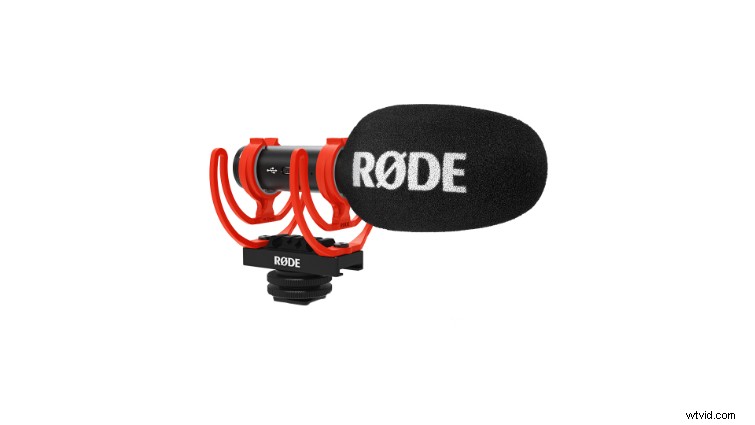 The Rode VideoMic Go II delivers clearer sound than the original and is noticeably more compact. Image via Rode.
After testing the Go II for several months—thanks to a sample from Rode—I found that the improvements are substantial, not merely incremental.
Key Enhancements Over the Original
1. Reduced Size – The Go II is almost half the length of the original, making it easier to mount on small rigs.
2. Refined Pop Filter – The new pop filter is smaller and more adaptable, allowing quick swaps without obscuring the microphone.
3. Improved Shock Mount – A redesigned mount with cable‑management grooves absorbs handling noise, a noticeable benefit during on‑the‑go vlogging.
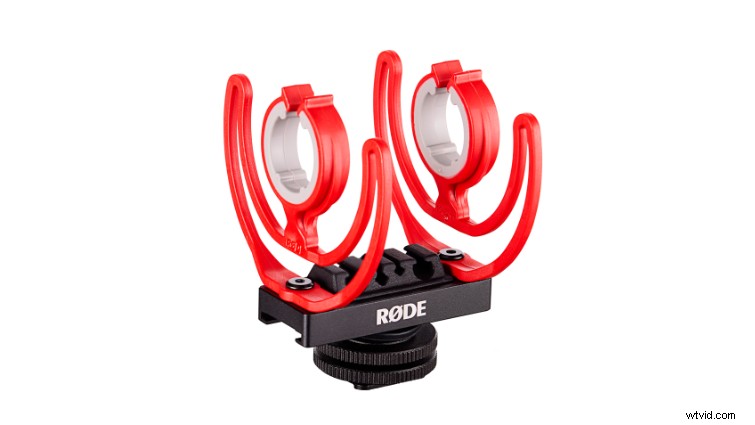 The new shock mount offers better cable management and vibration isolation. Image via Rode.
These design changes are paired with a core audio upgrade. The Go II adopts Rode’s “annular line tube” technology, the same concept that powers the professional NTG series. Internally, the microphone now supports a broader frequency response and a larger dynamic range, allowing it to capture both subtle nuances and loud passages with fidelity.
Self‑Noise Reduction
The most noticeable difference is the dramatic drop in self‑noise. The original VideoMic Go registered 34 dBa, which is considered noisy for any serious application. The Go II measures at 15 dBa, a level that aligns with many small‑diaphragm studio microphones. For context:
- Below 10 dBa – studio‑grade
- 10–16 dBa – acceptable for studio use, may require light post‑processing
- Above 25 dBa – generally unusable
Thus, the Go II delivers quiet, high‑quality audio that can be edited with confidence.
Supercardioid Polar Pattern
With its supercardioid pattern, the Go II captures sound from a narrow frontal cone while rejecting off‑axis noise. I tested it in a windy environment at the Garden of the Gods, and the mic isolated my voice while suppressing ambient wind and crowd noise. A separate wind sock, sold separately, further reduced wind interference.
The improved internal design also gives the mic a richer, fuller sound, surpassing the expectations for a device of its size.
USB‑C Connectivity Adds Flexibility
Unlike its predecessor, the Go II features a USB‑C port that turns it into a high‑quality USB microphone for iOS, Android, Windows, and macOS devices. Rode provides dedicated software to unlock a suite of controls:
- Gain adjustment
- High‑pass filter (75 Hz or 150 Hz) to cut low‑frequency rumble
- High‑frequency boost for wind‑sock‑compensated recordings
- -20 dB input pad for loud source protection
- 3.5 mm headphone output for real‑time monitoring
- LED level indicator
- Firmware updates
Two companion apps—Rode Reporter and Rode Central—deliver these features. Reporter is a free app that offers all controls but requires recording through the app itself. Central is more versatile, enabling you to use the mic with any camera or recording app while still accessing the full control set.
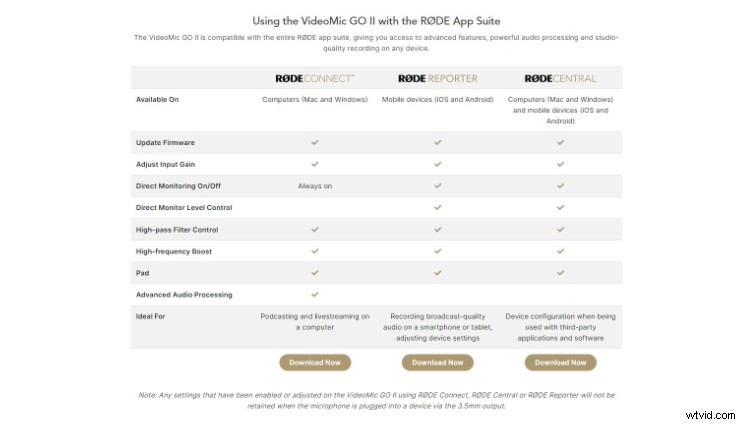 Rode Reporter vs. Rode Central: Which app serves your workflow? Image via Rode.
When connected to a phone, the Go II’s headphone jack allows you to monitor audio live, and the LED flashes when levels peak, providing immediate visual feedback.
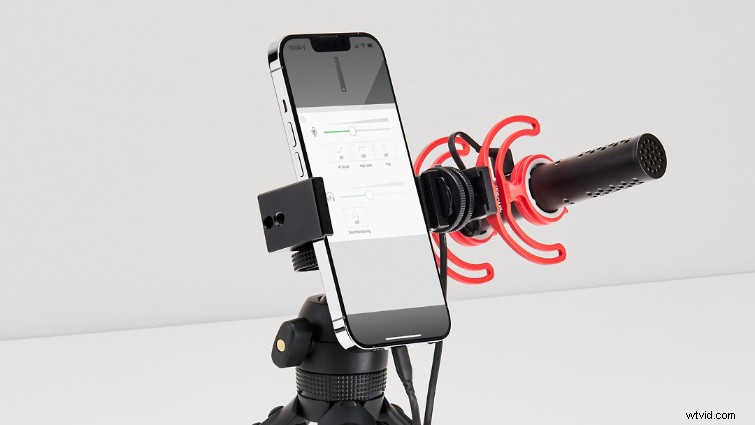 Real‑time monitoring and level alert via Rode Central. Image via Rode.
Rode Connect for Desktop
For Windows and macOS users, Rode Connect is a powerful desktop application. It supports up to four compatible Rode microphones, integrates external audio sources, and offers built‑in processing such as compression, noise gating, and APHEX audio processors (Aural Exciter and Big Bottom). This makes it ideal for podcasting, live streaming, and multi‑mic recording setups.
Verdict: A Budget Leader with Pro‑Grade Features
The Rode VideoMic Go II represents a significant leap over the original. Its compact size, low self‑noise, and versatile USB‑C functionality make it one of the best shotgun mics under $100. While it may not match the raw power of a dedicated XLR system like the Rode PodMic, it excels as a reliable backup mic or primary audio solution for mobile creators, vloggers, and livestreamers.
Rode’s commitment to delivering high‑end performance in a budget package is evident. The Go II’s added software controls and robust construction justify its price, especially for creators who need a single microphone that works across cameras, phones, and computers.
Want to explore more audio gear? Check out our related guides:
- The Most Practical Live‑Streaming Microphones on the Market
- The Best Lavalier Microphones for Video Production
- Free Epic Sound Effects for Film & Video Trailers
- 4 Production Audio Tips from an Industry Insider