
Nearly a decade ago, I posted a video titled “It’s Not the Camera, It’s the Photographer, OR Is It?” to challenge the long‑standing notion that a camera is merely a tool. I still believe the photographer is paramount, but certain cameras can spark new creative possibilities. Today, I revisit that theme with the launch of the Leica SL3‑P and ask: what does this reveal about modern photography?
Photography First, That’s the Leica Way
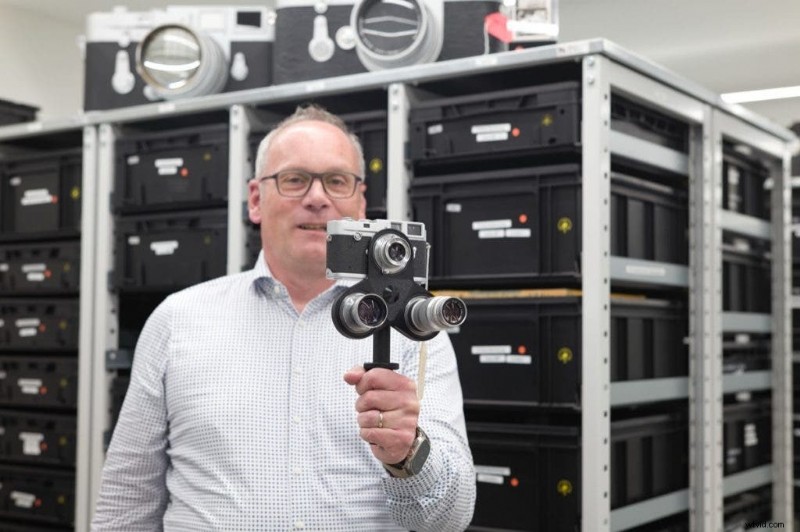
Leica’s philosophy centers on photography itself. While the brand doesn’t use a single slogan, the experience they offered—factory tours, archive visits, candid conversations—made it crystal clear: Leica prioritizes capturing beautiful images above all else.
They didn’t push specs; I’ll mention a few, but a full breakdown is here.
Hands‑On Experience Beats PowerPoint Every Time
Leica granted us four days with the SL3‑P, giving us the freedom to roam the complex and test the camera’s capabilities. The team walked us through key functions and was ready to answer any questions that arose naturally during shooting.
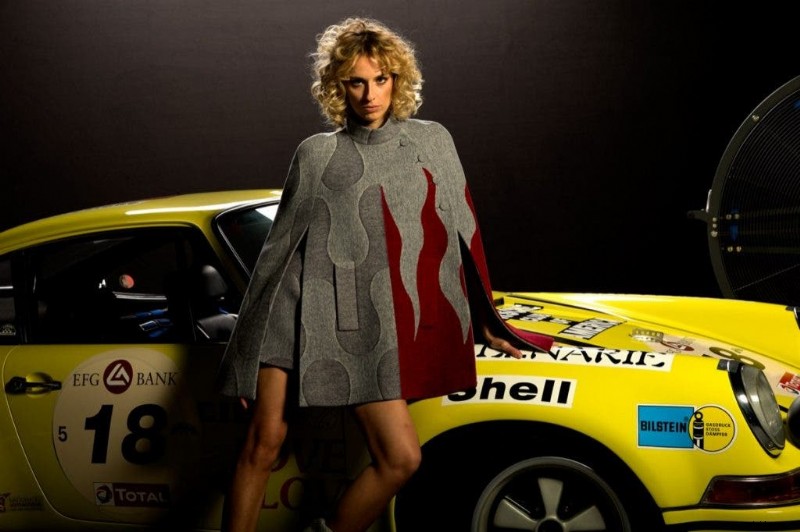
On the second day, we worked on a fashion set to evaluate studio performance and later visited their darkroom to watch prints develop. In a low‑light studio, the hybrid autofocus system with 819 points consistently locked the subject’s eyes in every frame.
Two New Leica SL Lenses with the SL3‑P
During my time in Germany, I primarily used the new Summilux‑SL 50 f/1.4 ASPH, which Leica proudly calls “the world’s most compact autofocus lens at this focal length and aperture.” It delivers a fast, sharp, and surprisingly lightweight 50‑mm, exactly what a versatile shooter needs.
I also tested the new APO‑Macro‑Elmarit‑SL 100 f/2.8, a modern counterpart to the beloved 1987 APO‑Macro‑Elmarit‑R 100 f/2.8. The macro lens offered crisp detail and a pleasant depth of field for portraits and close‑ups.

Is the SL3‑P the Workhorse of the SL3 Line?
The honesty I felt during the visit is rare at launch events. Leica’s positioning for the SL3 family is clear:
- The original SL3 delivers massive file sizes but lags in speed for some shooters.
- The SL3‑S focuses on speed and video, offering smaller files without sacrificing quality.
- The SL3‑P strikes a balance—44 MP, 40 fps burst, and a responsive autofocus system—suitable for most commercial and studio workflows.
Rather than incremental improvements, the lineup offers distinct options that together form a complete and adaptable system.
Real‑Life Testing of the SL3‑P
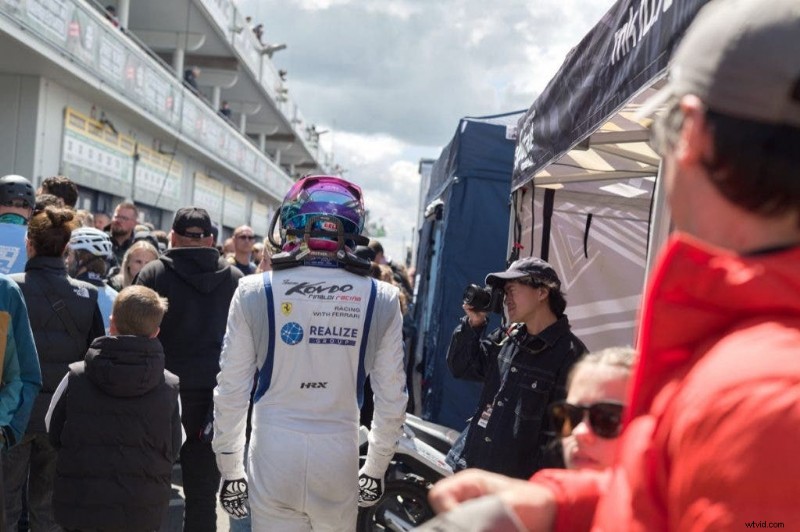
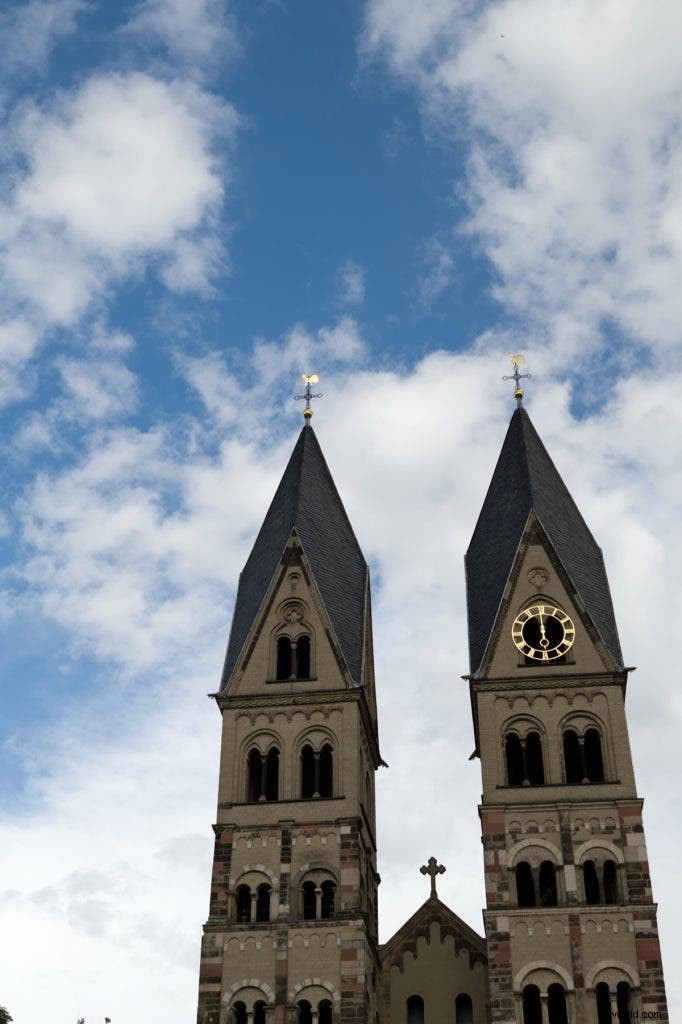
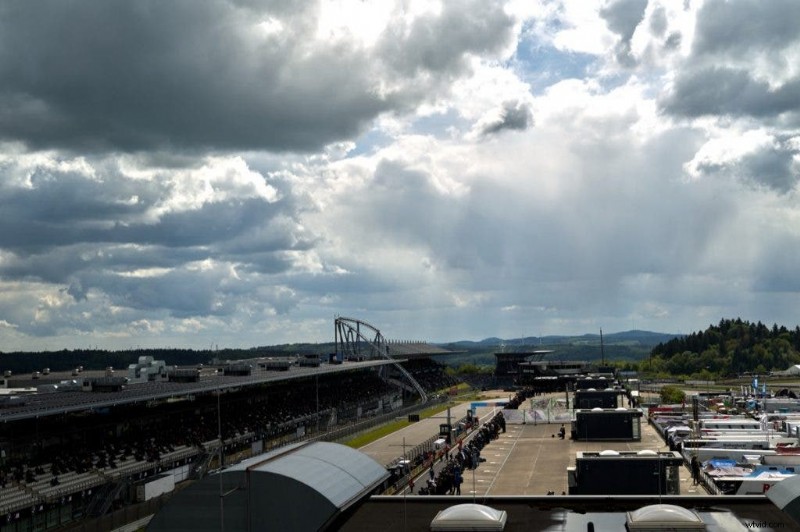
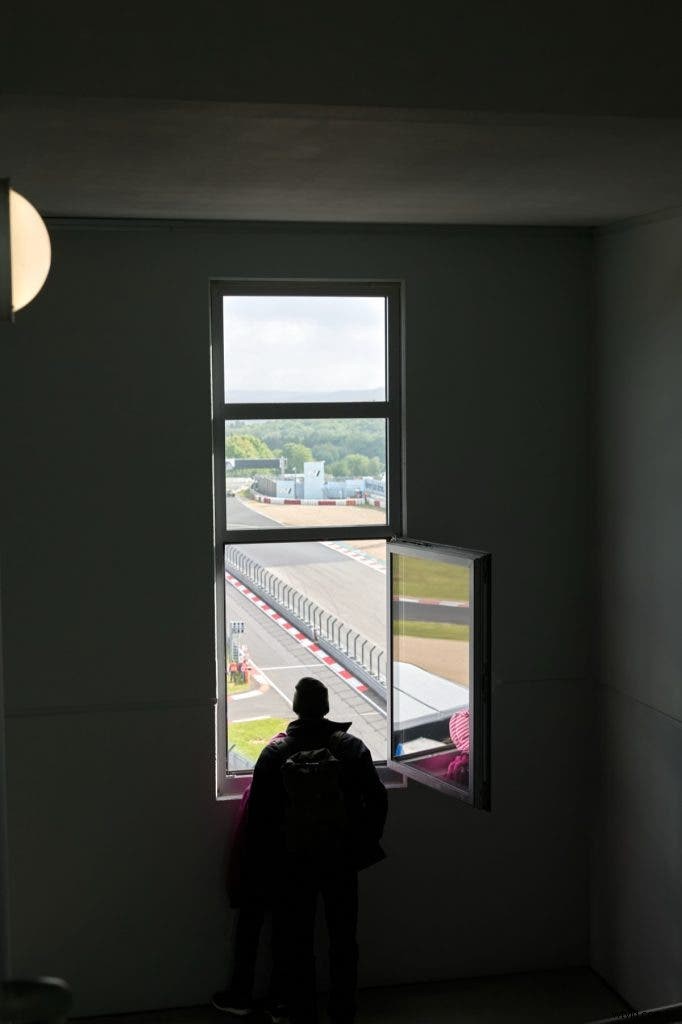
To prove its versatility, Leica arranged shoots at a medieval festival, a quaint town, and the Nürburgring race track. Each environment tested different aspects of the camera’s performance.
What Does 14 Stops of Dynamic Range Actually Mean?
Dynamic range is a spec that translates directly into real‑world flexibility. With 14 stops, the SL3‑P retains detail in both highlights and shadows, reducing the need for aggressive post‑processing when shooting contrasty scenes.
Did I Mention 8K/30p Open Gate Video?
While my focus has been on stills, the SL3‑P is a formidable video tool. It records 4K at 120 fps, supports Apple ProRes, and offers 8K/30p Open Gate, as detailed here. The full video coverage appears below.
Leica SL3‑P First Look – 44 MP Beast Between Two Flagships | Daniel Norton
40 fps with the SL3‑P
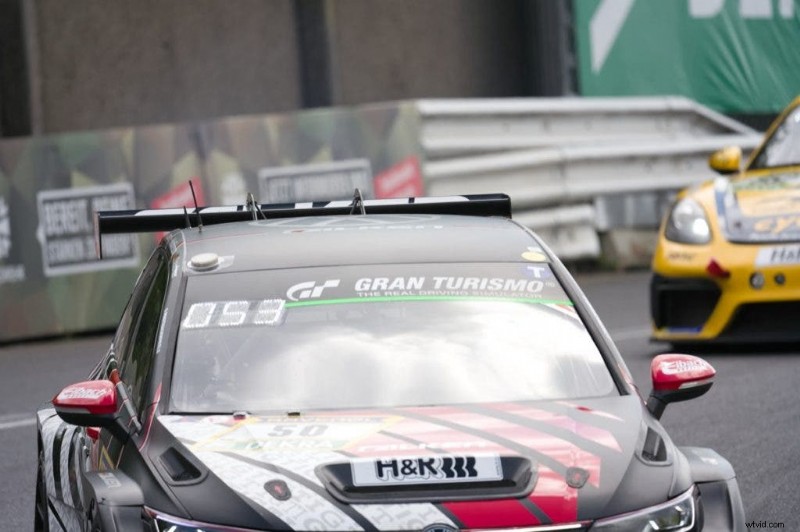
Burst mode is rarely used in portrait or fashion work, but the Nürburgring provided the perfect test bed. Pairing the camera with a Sigma 500 mm f/5.6 DG DN OS sports lens, I captured high‑speed automotive action. The autofocus held the moving subjects perfectly, and the 40 fps burst produced a smooth sequence.
Make the SL3‑P Your Own
Since my first Leica S2 in 2009, I’ve valued customizable controls. The SL3‑P continues that legacy with fully blank buttons and dials that can be programmed on the fly. A single press activates the assigned function; a long‑press brings up a menu to reassign it. This flexibility lets photographers tailor the camera to their workflow instantly.
Is the Leica SL3‑P for Me (or You)?
As a long‑time Leica M shooter, I appreciate the rangefinder’s quality, feel, and iconic “Leica look.” For commercial work and video, mirrorless systems are essential, and the SL3‑P bridges that gap with superb build quality and performance. I’ve already requested a sample for further studio testing. If you’re looking for a camera that can handle diverse demands while maintaining Leica’s heritage, the SL3‑P deserves a closer look.

Daniel Norton
Daniel Norton builds a successful career by capturing compelling images and empowering others to embrace their unique beauty. His expertise propels self‑confidence, and he shares his knowledge through workshops, videos, writing, and podcasts.