
After years of experimenting with 35mm and medium‑format film, I’ve learned that no single stock fits every situation. Certain films shine in low light, others deliver vivid color for portraits, and some strike the best balance for a budget‑friendly workflow.
Below is a concise, industry‑backed guide that helps you match the right film to the specific conditions of your shoot.
Key Film Terminology You Should Know
Understanding a few core concepts makes choosing a stock a lot easier.
Grain
Grain refers to the visible texture of a negative. It depends on the ISO and the manufacturer’s emulsion technology. Fine grain keeps detail sharp, while coarse grain can add a nostalgic aesthetic. It isn’t inherently good or bad—just another stylistic tool.
Dynamic Range
Dynamic range is the span between the brightest highlights and the darkest shadows a film can capture. High‑dynamic‑range stocks (e.g., Kodak Portra) preserve detail across extremes, preventing washed‑out highlights or crushed shadows.
Colour and Tone
Film color balance varies: Cinestill 800T leans cool with a tungsten tint, whereas Kodak Gold has a warm, yellow‑orange cast. Tone also shifts with contrast; low‑contrast stocks tend to yield smoother gradients.
Best Film for Landscape Photography
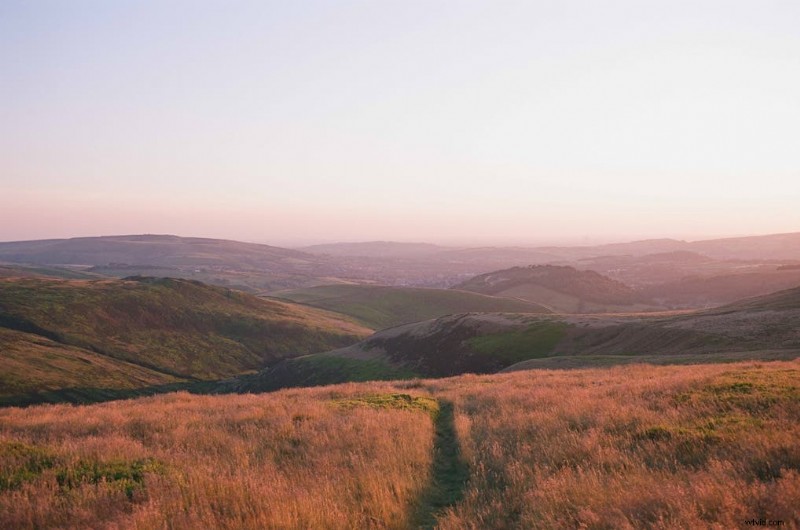 Used for this image: Kodak Ektar 100 Camera Film
Landscape work demands high resolution, vivid color, and extensive dynamic range, all while keeping ISO low to reduce grain.
Ektar 100 offers an impressive 12‑stop dynamic range, saturated yet accurate colors, and a fine grain structure that holds up well in high‑resolution scans.
Portra 160 is a versatile alternative. It produces softer, pastel hues, excels in post‑production flexibility, and still delivers a clean grain profile.
Higher‑end options like Ektachrome or Fuji Velvia deliver brilliant color but come at a premium price and limited availability.
TIP: If you intend to print traditionally, stick with negative stocks like Ektar or Portra—positive films require a different development process.
Best Film for Street Photography
Street photography thrives on versatility and a forgiving exposure latitude.
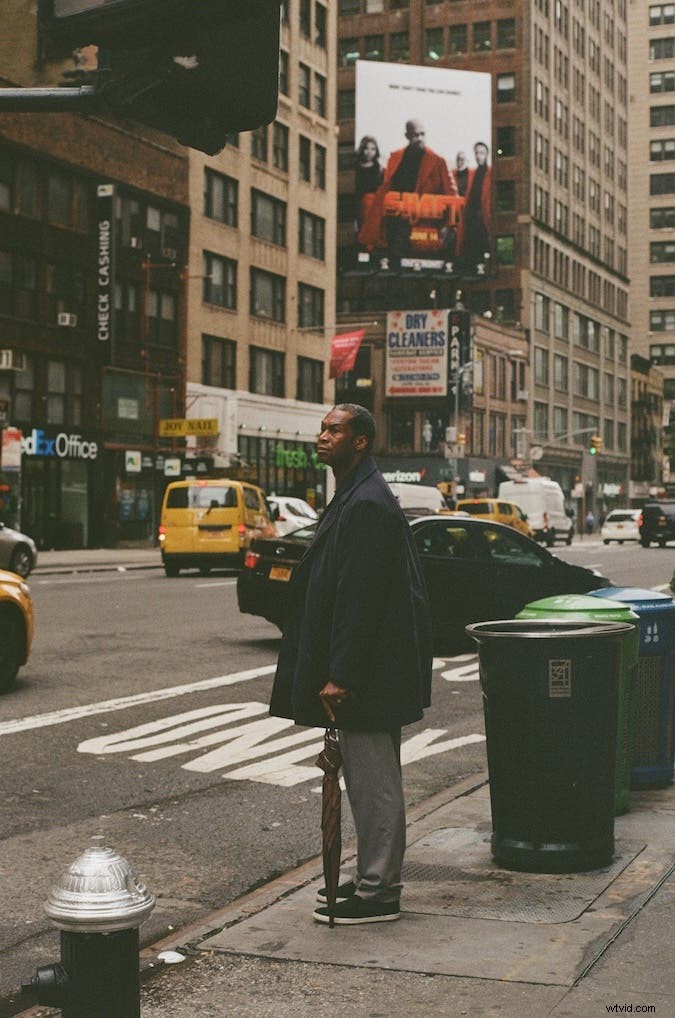 Used for this image: Kodak Colorplus Camera Film
On a budget, Kodak Gold, Colorplus, or Fujifilm 400 are solid choices. They offer adequate detail and moderate color reproduction at a lower cost.
For top‑tier images, Portra 400 is a favorite among professionals. Its 400 ISO provides a wide exposure latitude, making it suitable for low‑light moments while retaining a classic, soft tonal range.
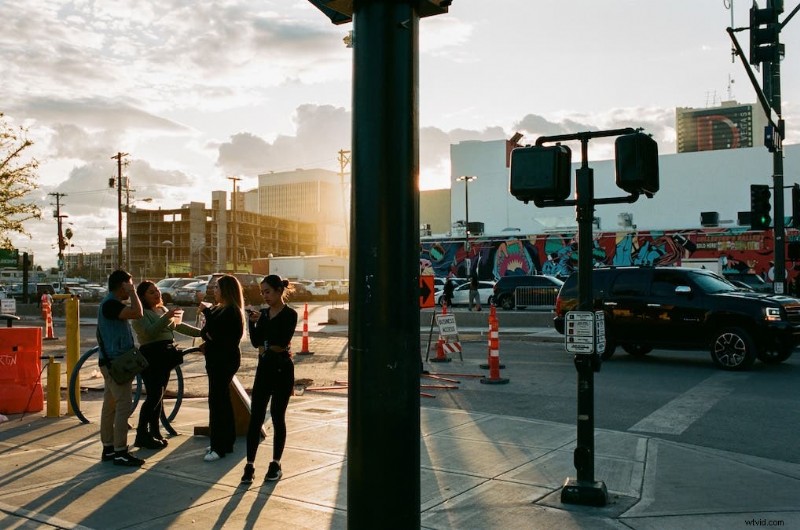 Used for this image: Portra 400 Camera Film
The Lomo 400 presents a budget‑friendly alternative with a slightly warmer tone and a respectable dynamic range, though it lacks the subtlety of Portra.
Best Film for Portrait Photography
 Used for this image: Kodak Portra 400 Camera Film
Portraits require natural skin tones, smooth gradients, and minimal grain. Portra 160/400 consistently deliver these qualities.
Stocks like Cinestill or Ektar can skew skin tones toward red or blue, which may not be desirable unless you’re aiming for a stylized look.
Although Fuji Pro 400H was once a go‑to, it’s now discontinued.
Alternative low‑cost options—Colorplus or Gold—are viable, but Portra remains the industry standard for portrait work.
Best Film for Night Photography
Night scenes demand high ISO and an ability to capture ambient light without excessive noise.
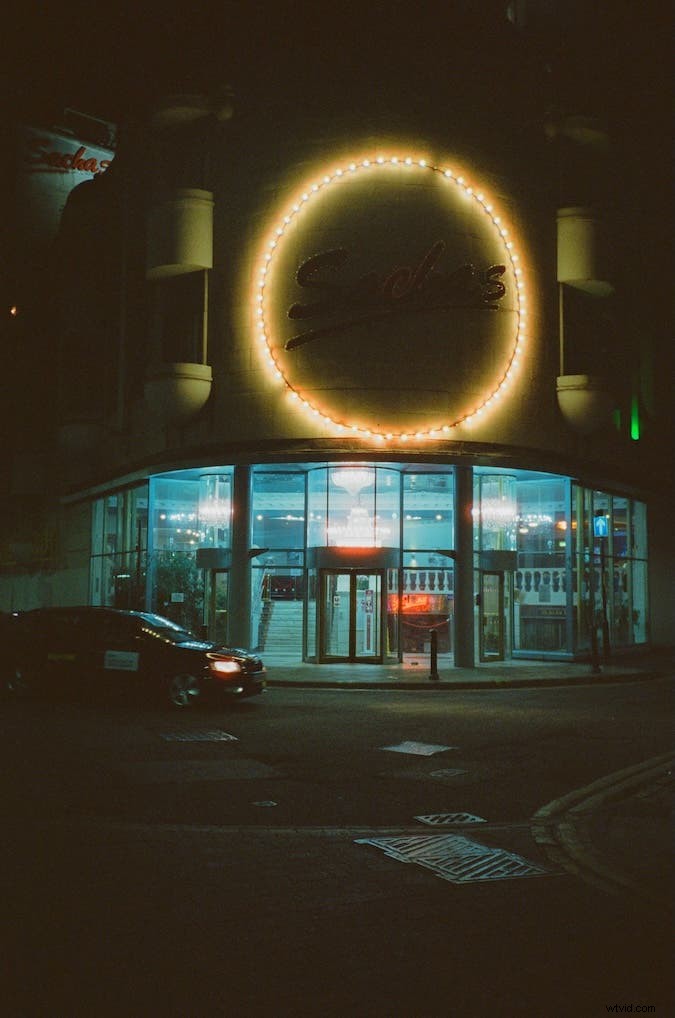 Used for this image: Cinestill 800T Camera Film
Cinestill 800T is the benchmark for tungsten‑balanced night shooting. Its 800 ISO delivers a clear halation halo and a warm, cinematic feel.
Alternatively, Portra 800 offers higher ISO and a broader dynamic range, but lacks the distinctive halation and cool tone that Cinestill is known for.
Ultimately, choose based on the desired mood—warm, halated ambience or neutral, high‑resolution detail.
Final Thoughts
Many filmmakers rotate stocks to suit different projects, while others lock in a single favorite. I personally rely on Kodak Portra 400/800 for most assignments because of its consistent performance and versatility.
Use this guide as a starting point, experiment, and discover which film speaks to your creative voice. Once you find a stock that consistently delivers, feel free to commit to it—consistency often yields the best results.
Happy shooting!

Max Kent
Max Kent is a film photographer and YouTuber based in Manchester, United Kingdom. He specializes in photographic identity, creative style, and turning projects into photobooks, exhibitions, or prints. His YouTube channel and website cover a wide array of photography topics, and his work can also be found on Instagram.