
Fujifilm’s Film Simulation modes employ the company’s understanding of film and colour in the digital environment and give Jpeg files a specific appearance. And they do it brilliantly.
The options are Provia (standard), Velvia (vivid), Astia (soft – more subdued colour and contrast), Classic Chrome, Pro Negative High and Standard, Eterna (Cinema), Acros (black and white), Monochrome and Sepia. They’re easy to find and apply at the shooting stage because they’re accessible via the main and Quick menus.
Most Fuji photographers have their favourite Film Simulation mode, but different subjects require different treatment. Provia (standard) is a great all-rounder, for example, but sometimes the image needs the extra punch of Velvia (vivid), or perhaps the subtler tones of Astia (soft). Acros is also a great choice for black and white photography, but there are several variants with different filter effects.
So what do you do if you use the wrong Film Simulation mode? And what if you want to get the extra sharpness of the raw files that your Fujifilm camera outputs? Well, Adobe Camera Raw (supplied with Photoshop) and Lightroom have a solution. If you shoot raw files with a Fujifilm camera, whether it’s the GFX 100, GFX 50R, X-T3 or X-T30, you can apply the Film Simulation mode look to your images when you process them. The trouble is, the controls aren’t immediately obvious, so here’s how it’s done.
- Read Why you should use your camera’s Film Simulation Modes
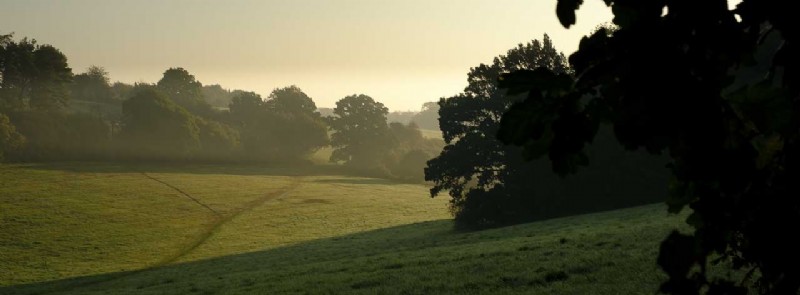
Applying Fujifilm Film Simulation Modes to Raw Files
Although they look different, Adobe Camera Raw and Lightroom both use the same engine for image editing. There are also lots of similarities in the terminology and controls available.
When you attempt to open a raw file in Photoshop, either directly or via Adobe Bridge, it automatically opens in Adobe Camera Raw. However, the process is seamless with Lightroom, all the work is done with Lightroom itself.
With a raw file open in Adobe Camera Raw, the first step is to ensure that you have the first tab (Basic) of the tools palette selected. Then, either click on the dropdown Profile control (default option is Adobe Color) followed by Browse, or click on the icon to the right that looks like four boxes.
- Read our Fujifilm GFX 100 review
-
How to Safely Fly with Film: Expert Tips for Photographers
-
How to Edit DNG RAW Files on iPhone: Lightroom Mobile, RAW, or ProCam 4 Guide
-
Master Photoshop Blending Modes: Essential Guide for Stunning Edits
-
Master Your Camera's Film Simulation Modes for Stunning Colors and Creative Control
-
Master Fujifilm Focus Stacking: Step-by-Step Guide for Razor-Sharp Images
-
Ultimate Guide: Traveling with Film Cameras – Air, Land & Sea Essentials
-
Master Vintage Film Emulation: Expert Tips from Rob Ellis
-
RAW vs. JPEG: When to Use Each File Format for Optimal Photography
-
Master Fujifilm Multiple Exposure Mode: Guide to Additive, Average, Bright & Dark
-
Fujifilm GFX100 & GFX100S: How to Master Pixel Shift Multi Shot for Massive Prints