
In our rapidly advancing technological world, reducing electronic waste has become a significant environmental challenge. Each year, millions of tons of e-waste are generated, often containing hazardous materials that can harm both the environment and human health.
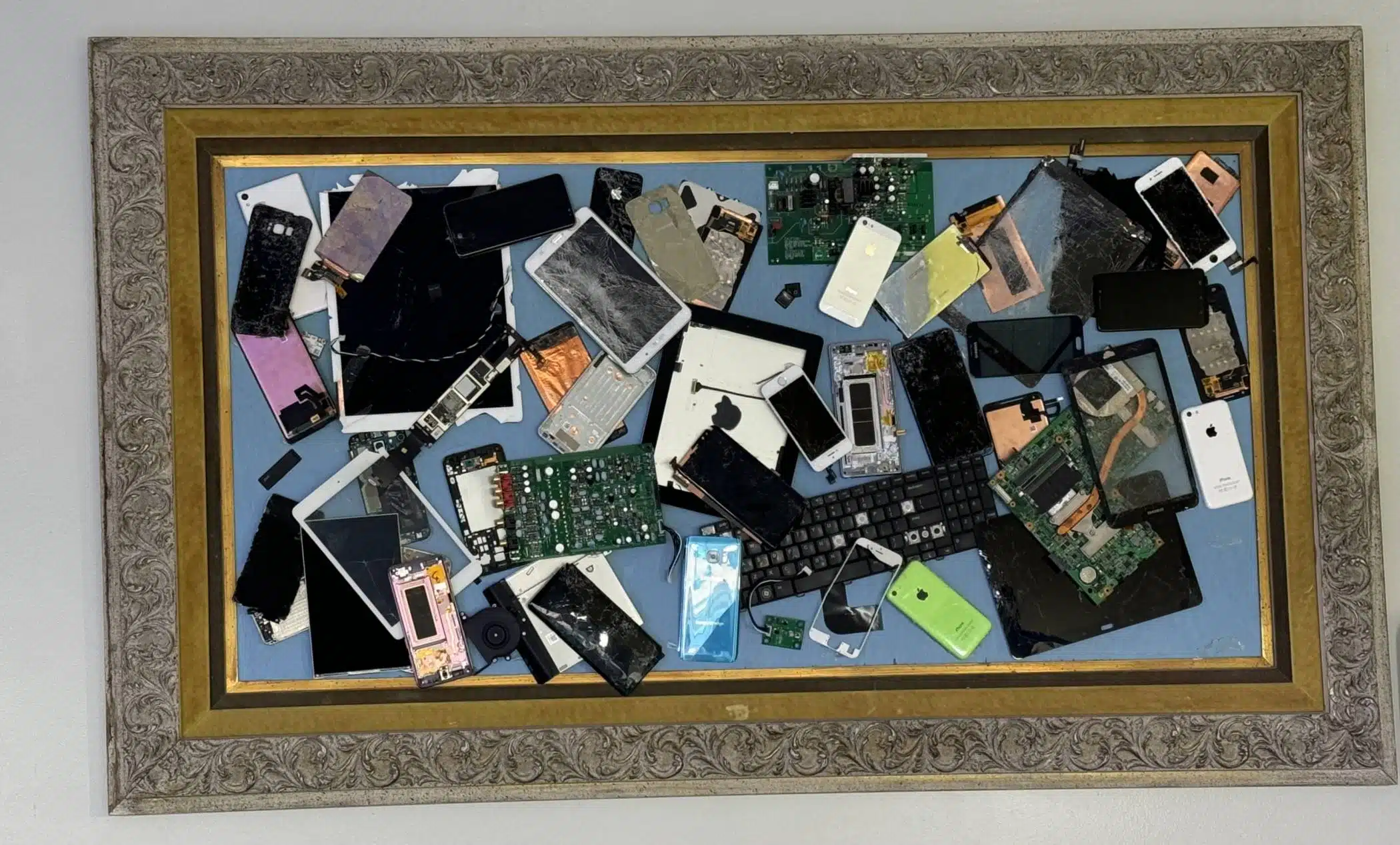
While recycling is often claimed as the primary solution to this growing problem, it’s clear that it’s not enough. To truly tackle electronic waste, we need a comprehensive approach that goes beyond simply recycling.
This means focusing on reducing consumption, extending the life of our devices, and promoting sustainable manufacturing practices. Join us as we explore the multifaceted strategies necessary to curb the e-waste crisis and build a more sustainable future.
The Scope Of The Problem
Electronic waste, or e-waste, is a term that includes discarded electronic devices and components. Everything from smartphones and laptops to refrigerators and televisions are considered to be e-waste.
The sheer volume of e-waste is staggering, with the world generating over 60 million metric tons annually. This figure is expected to grow as technology continues to evolve and our reliance on electronic devices increases.
Recycling Is Limited As A Solution
Recycling e-waste can be an important first step in managing its environmental impact, but it has significant limitations. Many electronic devices contain complex mixtures of materials, making them difficult and costly to recycle efficiently.
Additionally, not all e-waste ends up in recycling facilities. A large portion is improperly disposed of, ending up in landfills or being incinerated, which releases toxic substances into the environment.
A 5-Part Solution To Electronic Waste
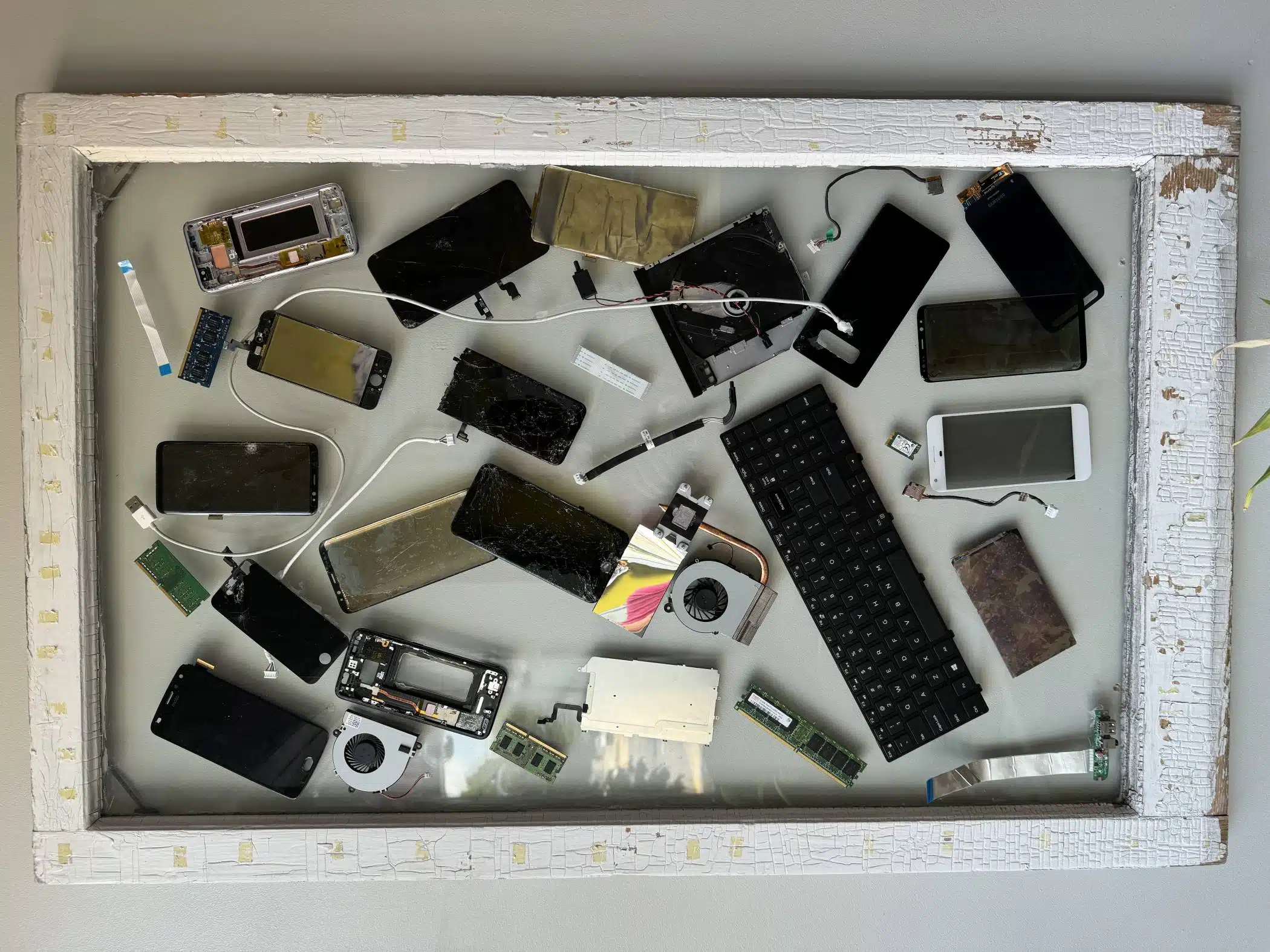
To solve the issue of increasing e-waste, we need a multifaceted approach.
Reduce Consumption
One of the most effective ways to combat e-waste is by reducing our consumption of electronic devices. This doesn’t mean halting technological progress, but rather adopting more mindful purchasing habits.
Before buying a new device, consider whether it’s truly necessary. Opt for high-quality, durable products that are designed to last longer and are repairable.
Did you know that we sell refurbished phones and devices at The Lab? If you’re considering upgrading to a new phone, check our available devices to see if a refurbished model could work well for you instead.
Extend The Lifespan Of Devices
Prolonging the lifespan of our electronics is another crucial strategy to reduce electronic waste. Simple actions like replacing a battery, upgrading software, or fixing a broken screen can prevent the need for a new purchase.
Additionally, donating or selling old devices can ensure they continue to be used rather than discarded. This is the best option for reducing e-waste as it actively curbs the number of devices being disposed of.
Promote Sustainable Manufacturing
Manufacturers play a key role in reducing e-waste. By designing products with sustainability in mind, they can make a substantial impact.
This includes using eco-friendly materials, designing for easy repair and recycling, and implementing take-back programs where consumers can return old products for proper disposal or refurbishment.
Support Legislation Like Right To Repair
Legislation can enforce proper e-waste management practices, incentivize recycling, and mandate sustainable product designs. Stronger regulations on the export of e-waste to developing countries, where it is often improperly handled, can also help mitigate the global impact.
Education And Awareness For Consumers
Public awareness campaigns and educational programs can empower individuals to make more informed choices about their electronic devices. By understanding the lifecycle of products and the consequences of improper disposal, consumers can effectively choose to be more responsible with their electronic devices when it comes to e-waste.
Be A Part Of The Solution At The Lab
Reducing electronic waste requires a multifaceted approach that goes beyond recycling.
By reducing consumption, extending the life of our devices, promoting sustainable manufacturing practices, and supporting robust legislation, we can make significant strides in addressing this global issue. It’s a collective effort that involves consumers, manufacturers, and policymakers alike.
You can play a practical role in reducing electronic waste by bringing your phone, tablet, or computer into The Lab for repair instead of replacing it with a new model.
Schedule a repair appointment online using the button below, or stop in and see us at our storefront in downtown Warsaw during our regular business hours.
Our Hours
Monday: 10am – 5pm
Tuesday: 10am – 5pm
Wednesday: 12pm – 7pm
Thursday: 10am – 5pm
Friday: 10am – 7pm
Saturday: 10am-2pm
Sunday: Closed