
We may earn revenue from the products listed on this page and participate in affiliate programs. Learn more >
Choosing the right portrait lens is essential for any Nikon photographer who wants to make subjects pop. Nikon’s native lenses deliver peak performance, but they can carry a higher price tag. Third‑party options offer comparable image quality at a lower cost, making them ideal for expanding a gear collection on a budget. Whether you shoot with a DSLR or the new mirrorless Z‑series, the lenses below are proven to elevate portrait work across a variety of settings.
- Best overall: Nikon NIKKOR Z 85 mm f/1.2 S
- Best standard zoom: Nikon NIKKOR Z 24‑70 mm f/2.8 S
- Best telephoto zoom: Nikon NIKKOR Z 70‑200 mm f/2.8 VR S
- Best budget telephoto zoom: Tamron 70‑300 mm f/4.5‑6.3 Di III RXD
- Best prime: Nikon NIKKOR Z 50 mm f/1.2 S
- Best budget prime: Rokinon 85 mm f/1.4 Lens for Nikon Z
- Best wide‑angle: Nikon NIKKOR Z 14‑30 mm f/4 S
- Best budget wide‑angle: Nikon NIKKOR Z 24‑50 mm f/4‑6.3
How We Selected These Portrait Lenses
Portrait photography spans headshots, environmental shots, and large‑group images. We evaluated lenses across three key dimensions: optical excellence (sharpness, distortion, aberration), build quality (weather‑seal, ergonomics), and usability (autofocus, controls). Budget range was also a priority, ensuring that photographers at every level find a suitable option.
Portrait Lens Reviews & Recommendations
Best Overall: Nikon NIKKOR Z 85 mm f/1.2 S
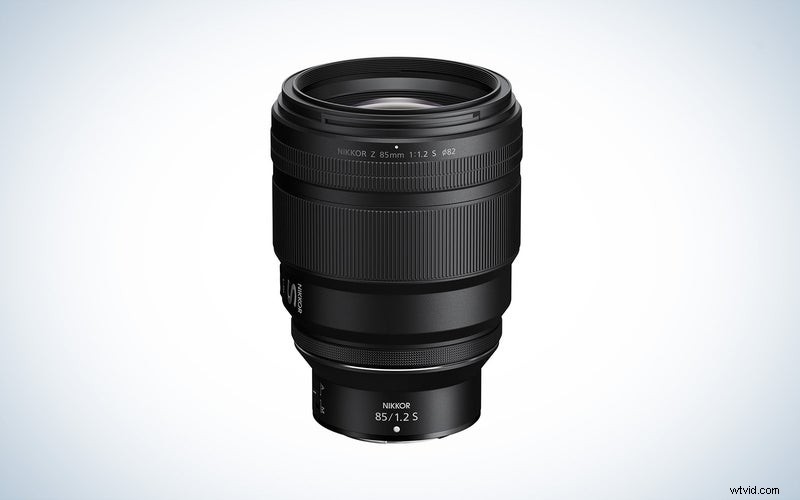
Key Specs
- Mount: Z‑mount, full‑frame
- Aperture: f/1.2 – f/16
- Image stabilization: No
- Filter: 82 mm
- Minimum focus: 33.46 in (0.85 m)
- Weight: 2.6 lb (1.18 kg)
- Dimensions: 4 × 5.6 in (10.2 × 14.2 cm)
Pros
- Exceptional sharpness across the frame
- Fast f/1.2 aperture for low‑light and bokeh
- 11‑blade rounded diaphragm yields silky background blur
- Robust weather‑sealed construction
Cons
- Heavier than many primes, but justified by performance
The 85 mm focal length has long been the portrait workhorse. Its moderate working distance keeps subjects relaxed, while the wide aperture delivers dramatic background separation. Coupled with the silent STM motor, this lens excels in both stills and video, offering near‑stopless focus breathing for smooth motion shots.
Best Standard Zoom: Nikon NIKKOR Z 24‑70 mm f/2.8 S
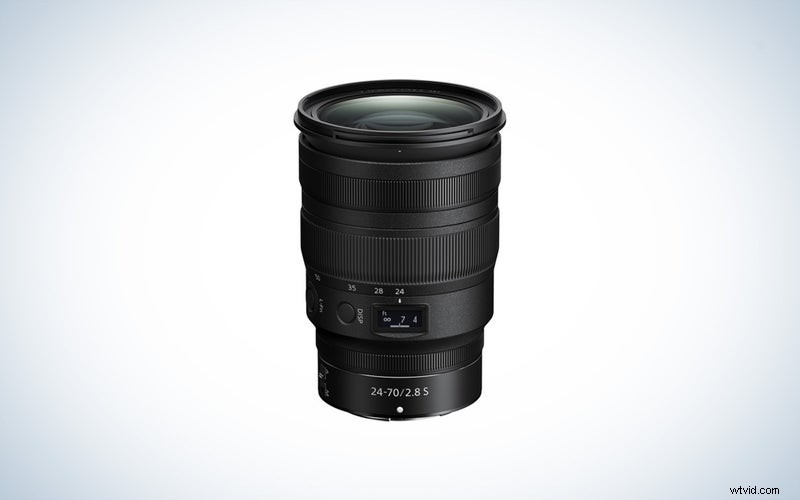
Key Specs
- Mount: Z‑mount, full‑frame
- Aperture: f/2.8 – f/22
- Image stabilization: No
- Filter: 82 mm
- Minimum focus: 1.25 ft (0.38 m)
- Weight: 1.7 lb (0.77 kg)
- Dimensions: 3.5 × 4.96–6.15 in
Pros
- Versatile focal range covers everything from portraits to environmental shots
- Compact and lightweight for long shooting sessions
- Consistent f/2.8 aperture delivers excellent low‑light performance
- OLED display for quick parameter reference
Cons
- Higher price point compared to third‑party alternatives
This zoom is a true workhorse, especially for wedding and event photography where you need to switch between headshots, half‑body, and wide group images quickly. Its sharpness remains near‑maximum across the focal range, and the 11‑blade diaphragm keeps background blur soft and pleasing.
Best Telephoto Zoom: Nikon NIKKOR Z 70‑200 mm f/2.8 VR S
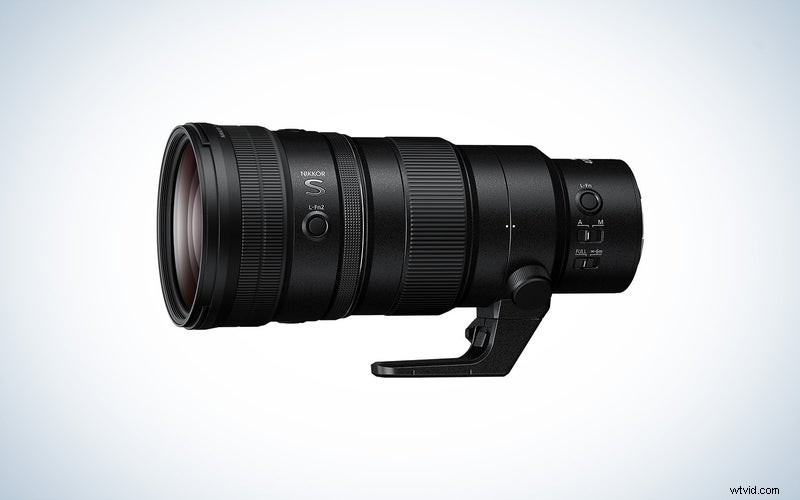
Key Specs
- Mount: Z‑mount, full‑frame
- Aperture: f/2.8 – f/22
- Image stabilization: Yes (VR)
- Filter: 77 mm
- Minimum focus: 1.64 ft (0.5 m)
- Weight: 2.99 lb (1.36 kg)
- Dimensions: 3.5 × 8.66 in
Pros
- Fast, constant f/2.8 aperture across the range
- Excellent image stabilization for handheld work
- Uncompromised sharpness even wide open
- Fast, accurate autofocus
Cons
- Heavier than entry‑level telephoto options
This classic telephoto is indispensable for capturing intimate moments from a distance—whether it’s a bride’s walk down the aisle or a candid group portrait. The built‑in VR, combined with Nikon’s renowned optics, produces flawless images in low light while keeping background blur smooth.
Best Budget Telephoto Zoom: Tamron 70‑300 mm f/4.5‑6.3 Di III RXD
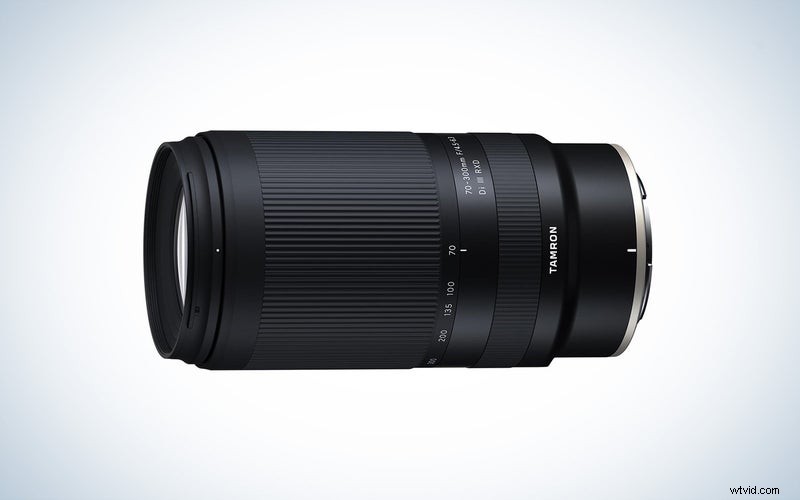
Key Specs
- Mount: Z‑mount, full‑frame
- Aperture: f/4.5‑6.3 – f/22‑32
- Image stabilization: No
- Filter: 67 mm
- Minimum focus: 31.5 in (0.8 m)
- Weight: 1.2 lb (0.54 kg)
- Dimensions: 3 × 5.8–8.5 in
Pros
- Lightweight and portable
- Excellent mid‑range performance
- Sharp across the focal range
- Highly affordable
Cons
- Variable max aperture limits low‑light capability
- No in‑lens stabilization (IBIS on body compensates)
For those who want the reach of a 70‑200 but at a fraction of the price, this Tamron delivers solid optical quality. The RXD motor ensures fast, silent focus, making it suitable for both stills and video when combined with a Nikon body’s IBIS.
Best Prime: Nikon NIKKOR Z 50 mm f/1.2 S
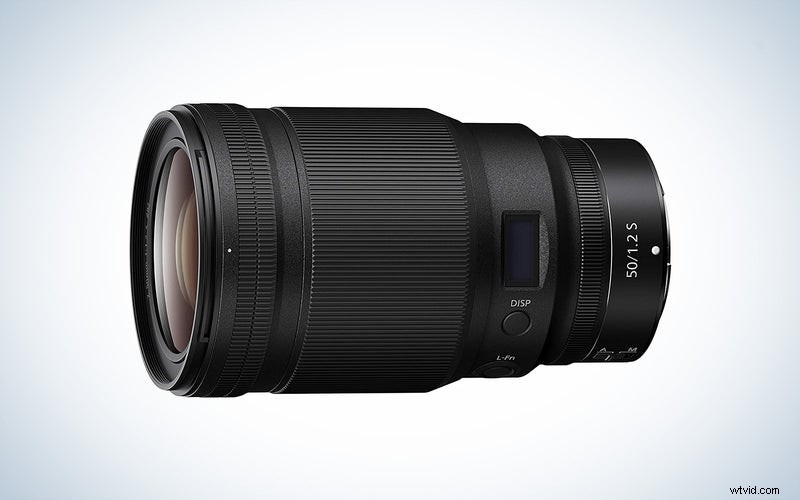
Key Specs
- Mount: Z‑mount, full‑frame
- Aperture: f/1.2 – f/16
- Image stabilization: No
- Filter: 82 mm
- Minimum focus: 1.5 ft (0.46 m)
- Weight: 2.4 lb (1.09 kg)
- Dimensions: 3.5 × 5.9 in
Pros
- Fastest aperture for deep background blur
- Impressive image quality even at f/1.8
- Full set of user controls
- Beautiful, smooth bokeh
Cons
- Bulky compared to other primes
While 85 mm remains the classic portrait focal length, 50 mm offers a slightly wider perspective that can capture more context. This prime shines in low light, and its large diaphragm delivers exquisite background separation.
Best Budget Prime: Rokinon 85 mm f/1.4 Lens for Nikon Z
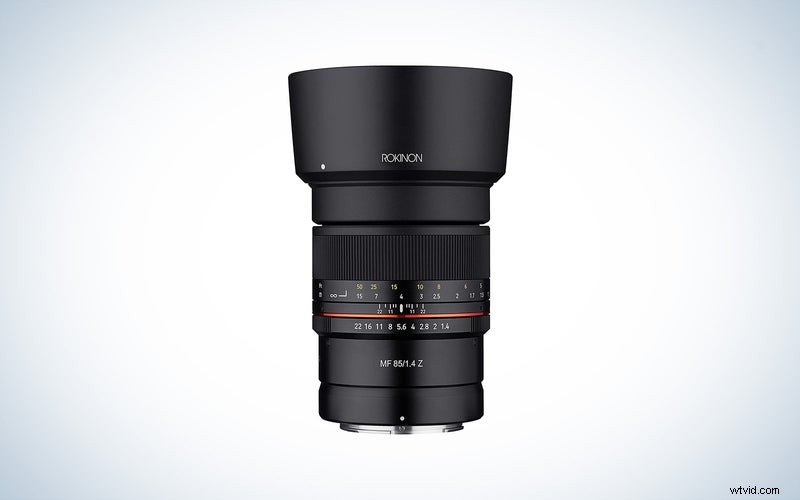
Key Specs
- Mount: Z‑mount, full‑frame
- Aperture: f/1.4 – f/22
- Image stabilization: No
- Filter: 72 mm
- Minimum focus: 3.61 ft (1.1 m)
- Weight: 1.63 lb (0.74 kg)
- Dimensions: 3.07 × 4.04 in
Pros
- Fast f/1.4 aperture for flattering bokeh
- Compact and lightweight
- Excellent sharpness for the price
- Affordable entry into high‑end portrait optics
Cons
- No electronic aperture control from the camera
- Manual focus only (no autofocus)
Ideal for photographers who want a high‑quality prime without breaking the bank. The manual focus allows precise control, and the f/1.4 aperture keeps background blur soft in most lighting conditions.
Best Wide‑Angle: Nikon NIKKOR Z 14‑30 mm f/4 S
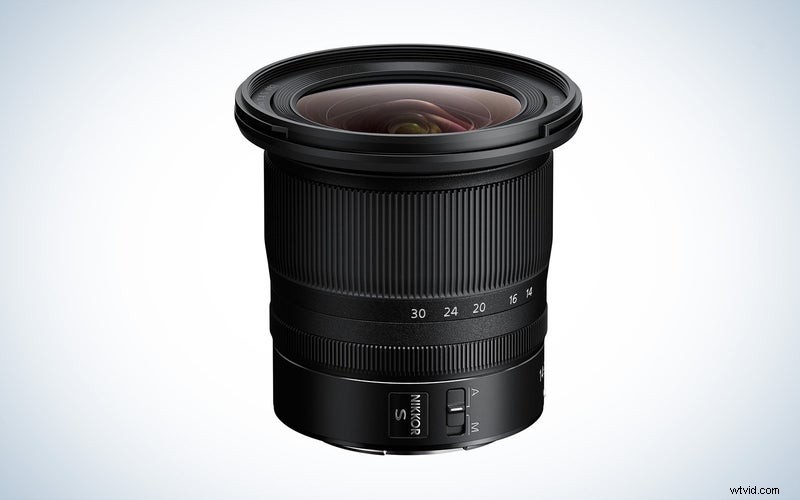
Key Specs
- Mount: Z‑mount, full‑frame
- Aperture: f/4 – f/22
- Image stabilization: No
- Filter: 82 mm
- Minimum focus: 11.02 in (0.28 m)
- Weight: 1.07 lb (0.48 kg)
- Dimensions: 3.5 × 3.35–4.49 in
Pros
- Exceptional sharpness across the frame
- Quiet, responsive autofocus
- Short minimum focus for detail work
- Versatile focal range for portraits and groups
Cons
- f/4 aperture limits low‑light performance
Wide‑angle lenses are often overlooked for portraits, yet they enable creative group shots and environmental portraits. This 14‑30mm delivers studio‑grade image quality while remaining lightweight and weather‑sealed.
Best Budget Wide‑Angle: Nikon NIKKOR Z 24‑50 mm f/4‑6.3
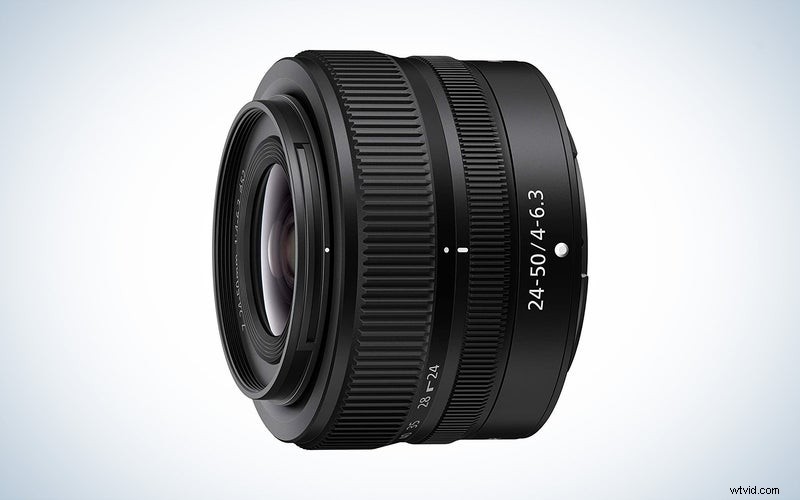
Key Specs
- Mount: Z‑mount, full‑frame
- Aperture: f/4‑6.3 – f/22‑36
- Image stabilization: No
- Filter: 52 mm
- Minimum focus: 1.15 ft (0.35 m)
- Weight: 6.88 oz (195 g)
- Dimensions: 2.89 × 2.01–2.94 in
Pros
- Ultra‑compact and lightweight
- Excellent value for the price
- Silent, quick autofocus
- Dust‑ and moisture‑resistant construction
Cons
- Variable aperture reduces low‑light capability
- Limited focal‑length range
This budget lens is perfect for travel portraitists who need a compact, weather‑proof option. While it lacks the speed of higher‑end optics, its autofocus performance and build quality make it a solid everyday tool.
Additional Nikon Portrait Lenses We Love
Ultra‑Fast Wide‑Angle Prime: Nikon NIKKOR Z 35 mm f/1.8 S
A 35 mm prime with f/1.8 delivers natural perspective for environmental portraits, while the nine‑blade diaphragm and silent motor keep background blur smooth and focus quick.
More Affordable Standard Zoom: Nikon NIKKOR Z 28‑75 mm f/2.8
This 28‑75 zoom offers a similar f/2.8 performance to the 24‑70 but at a more accessible price, making it ideal for photographers who want versatility without a steep investment.
Ultra‑Wide Portrait Lens: Nikon NIKKOR Z 14‑24 mm f/2.8 S
For dramatic, wide‑angle portraits, this 14‑24 lens delivers stellar sharpness and the rare ability to produce soft bokeh at the edge of its field.
Classic DSLR 85 mm: Nikon AF‑S FX NIKKOR 85 mm f/1.4 G
When shooting on Nikon DSLRs, the 85 mm f/1.4 remains the gold standard. Its silent wave motor and Nano Crystal Coat reduce flare, while the fast aperture keeps background blur creamy.
Best 50 mm DSLR: Nikon AF‑S Nikkor 50 mm f/1.8 G
This affordable, lightweight prime offers a quiet wave motor and an anti‑smudge coating—perfect for a wide range of portrait styles.
What to Consider Before Buying
Camera Mount Compatibility
Mirrorless Z‑mount lenses cannot be used on DSLRs, and F‑mount lenses require an adapter for Z‑mount bodies. Choose lenses that match your system to avoid unnecessary adapters and ensure full feature support.
Prime vs. Zoom
Primes provide faster apertures, superior optical quality, and lower cost, making them ideal for low‑light and studio work. Zooms offer flexibility on the fly, crucial for events and documentary settings.
Focal Length Choices
85 mm remains the portrait gold standard, but 50 mm or 35 mm primes are excellent for environmental or street portraits. Telephoto zooms like 70‑200 add versatility for candid and group shots.
FAQs
Which is better for portraits—50 mm or 85 mm?
Both focal lengths excel in portraiture. 85 mm gives a flattering perspective and more background separation, while 50 mm is lighter, cheaper, and captures more surroundings, ideal for environmental shots.
What Nikon lenses do professionals use?
Top shooters typically keep a 24‑70 and 70‑200 zoom pair, supplemented by a 35 mm or 50 mm prime for candid work, and an 85 mm for studio portraits.
What lenses do wedding photographers use?
Wedding pros rely on a 24‑70 for ceremony coverage, an 85 mm for bridal portraits, a macro for details, and a 35 mm fast prime for candid moments on the dance floor.
Final Thoughts
Portrait photography spans a wide array of scenarios—from intimate headshots to large group events. The lenses above cover every situation, ensuring you have the right tool for every portrait style. Your choice should reflect your shooting context, budget, and personal preference.
Why Trust Us
PopPhoto has been guiding photographers since 1937, offering insights from seasoned professionals and in‑depth reviews of every camera and lens imaginable. Our writers bring decades of real‑world experience, ensuring you receive trustworthy, expert advice.