
Last updated on 22nd November 2023
North America alone generates a staggering $17.2 billion annually through crowdfunding—proof of the model’s growing appeal among entrepreneurs and consumers.
However, the same study from the Crowdfunding Center reveals that fewer than one in three campaigns hit their target. Across platforms, 69–89 % of projects fall short.
What does this tell us? That not every great idea translates into success. A key factor is how effectively you communicate your vision, and that’s where video comes in.
Why Video?
Video is the richest, most engaging storytelling medium available. According to Kickstarter, "videos are not required to launch, but projects that have compelling videos tend to succeed at a much higher rate." Funded Today adds that campaigns without a Kickstarter video are 85 % more likely to fail.
So, what makes a crowdfunding video truly compelling? Let’s dive into seven proven tips.
1. Get the Length Right
The optimal length is as concise as possible—just long enough to tell your story and inspire your audience. Attention spans are short, yet you want to fully engage viewers.
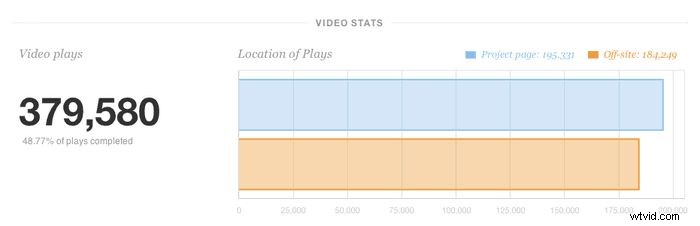
Industry experts recommend keeping videos under five minutes. Crowdfunding.io found that campaigns with videos shorter than five minutes were 25 % more likely to reach their goal than longer ones.
Use built‑in analytics from YouTube, Vimeo, Wistia, or Kickstarter’s native player to see how viewers interact. If a video underperforms, most platforms let you replace it mid‑campaign, giving you valuable data for a future relaunch.
2. Tell a Story
Marketing today is less about the product and more about the story you tell. A successful crowdfunding video follows a clear arc: a beginning that sets the context, a middle that introduces the solution, and an end that calls the audience to action.
For example, a travel‑pillow campaign might open with footage of weary travelers, move into the design journey and benefits, and finish by urging viewers to help bring the product to life.
3. Get the Ambience Right
Beyond the script, the setting and soundtrack must reflect the product’s lifestyle. HelloEar, a headphone designed for on‑the‑move use, pairs high‑energy footage—running, rowing—with upbeat music to convey vitality. The right ambience turns a product into an experience.
4. Highlight the Development Process
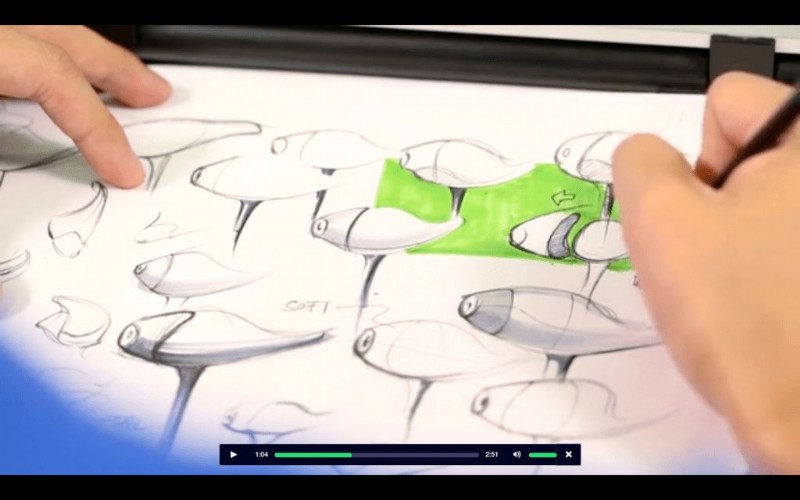
Backers love to see that you’ve already put significant effort into the project. Show sketches, prototypes, and concept drawings to demonstrate progress and credibility.
5. Show the Product
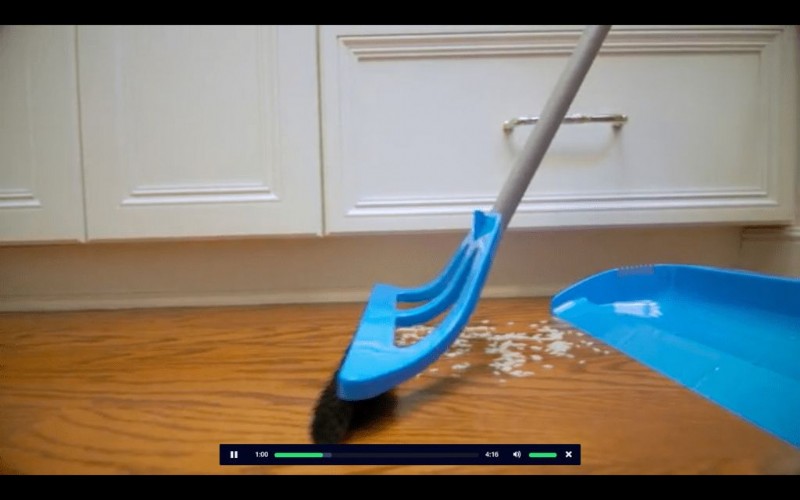
Seeing a tangible product—and how it works—builds trust. Whether it’s a prototype, a detailed demonstration, or an animated walkthrough, make the mechanics clear.
6. Show Off Yourself (with Confidence!)
People invest in people. Even if you appear briefly, make your presence authentic and enthusiastic. If you’re camera‑nervous, stay hydrated, use a teleprompter for key points, keep the footage rolling, and relax before recording.
- Stay hydrated to keep your voice clear.
- Use a teleprompter for key bullet points to avoid sounding forced.
- Take your time and speak calmly and deliberately.
- Let the camera run continuously; you can edit out mistakes later.
- Warm up with light exercise to boost energy before filming.
7. Prioritize Quality
A low‑quality video signals a lack of professionalism. Today, you can shoot HD footage on an iPhone, add a budget lighting kit and a green screen, and edit with free software—all without breaking the bank.
Investing in decent production quality shows that you take your project seriously and signals reliability to potential backers.
Closing Thoughts
Review successful campaigns on Kickstarter, Indiegogo, and other platforms to see what works. A strong campaign video is just the beginning—consider a short 1‑2 minute explainer for your homepage and bite‑size pre‑roll ads on social media to broaden reach.
Good luck, and may your video turn viewers into backers!

Adam is Head of Content at Wyzowl. Leading a talented, fearless team of writers, Adam’s passions include video, growth marketing, brand storytelling and referring to himself in the third person.