
With organic reach on social platforms in a steady decline, brands increasingly rely on paid advertising to drive visibility and conversions.
Pinterest defies this trend, maintaining robust organic performance while boasting a community of over 500 million monthly active users. Its unique visual discovery model makes it an attractive destination for advertisers seeking intent‑driven traffic.
In this comprehensive 2026 guide, we consolidate every key insight you need to decide if Pinterest Ads can accelerate your growth strategy.
About Pinterest
Launched in 2010, Pinterest has evolved into one of the fastest‑growing social platforms, often described as a digital pinboard that fuels visual inspiration.
Users search for ideas and save them to boards, turning Pinterest into a powerful visual search engine for recipes, home décor, fashion, travel, and more.
Remarkably, Pinterest is deeply intertwined with the purchase funnel:
89 % of U.S. users turn to Pinterest for inspiration on their path to purchase, and 83 % have bought a product after seeing a brand’s Pin.
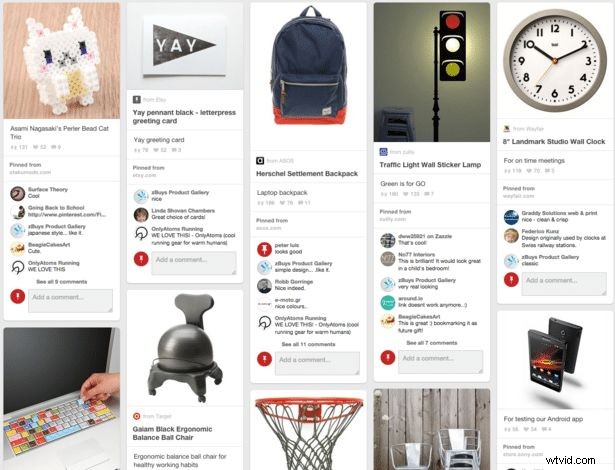
Core actions on the platform include searching for visual content and saving pins to personal boards. The home feed is algorithmically curated to surface both relevant organic content and native ads.
Where Are Pinterest Ads Placed?
Pinterest offers a range of native ad formats designed to blend seamlessly with user experience:
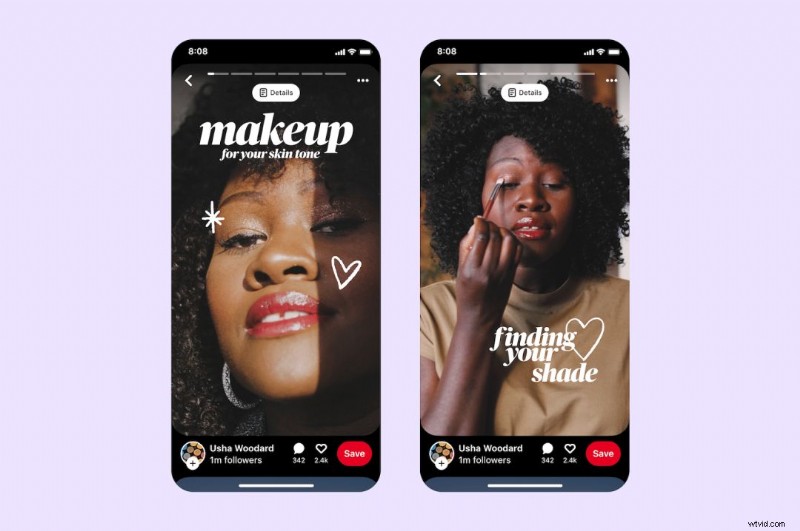
Idea Pins
Short video clips or up‑to‑20‑image sequences, similar to Instagram Stories, that showcase quick demos or tutorials.
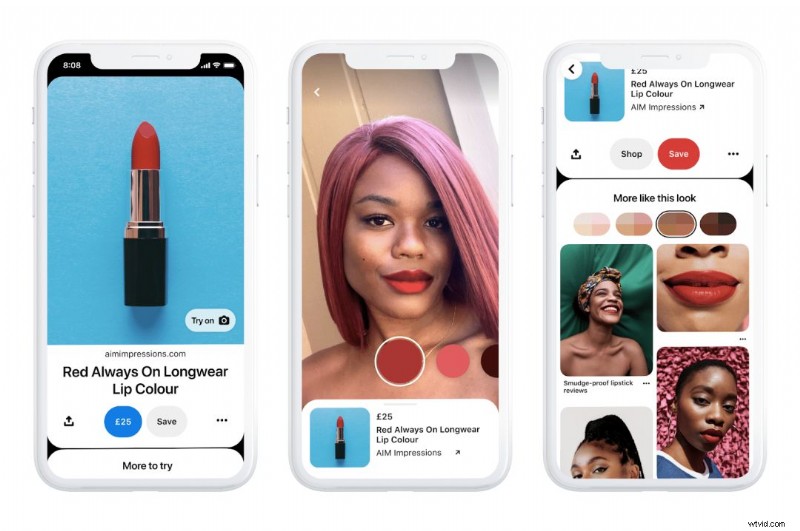
Try‑On Product Pins
Augmented‑reality overlays let viewers virtually try on products, enhancing engagement and confidence.
Pinterest Collection Ads
One prominent image or video accompanied by three supporting images; tapping the ad reveals up to 24 additional product images on a dedicated detail page.
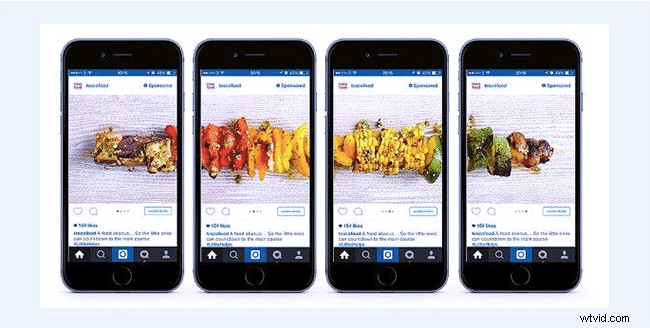
Promoted Carousel Ads
Organic‑looking pins that feature a swipeable gallery of images, delivering a rich visual experience.
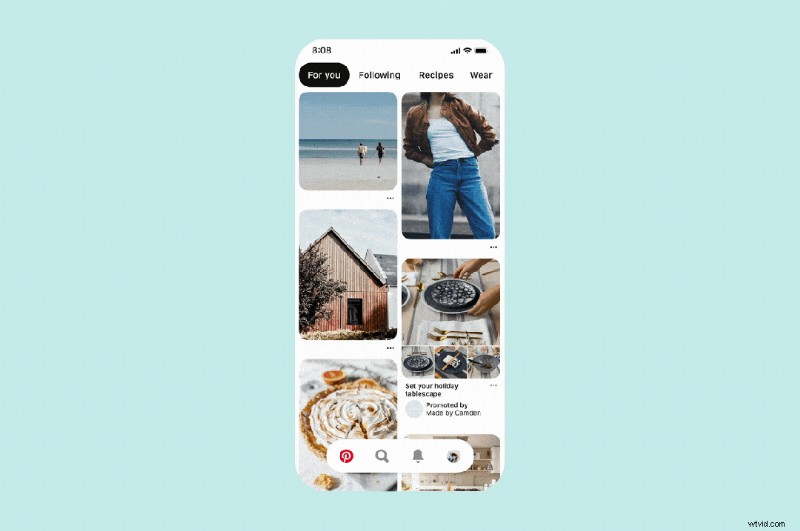
Promoted Pins
Existing pins boosted with a subtle “Promoted” badge, expanding reach without altering creative.

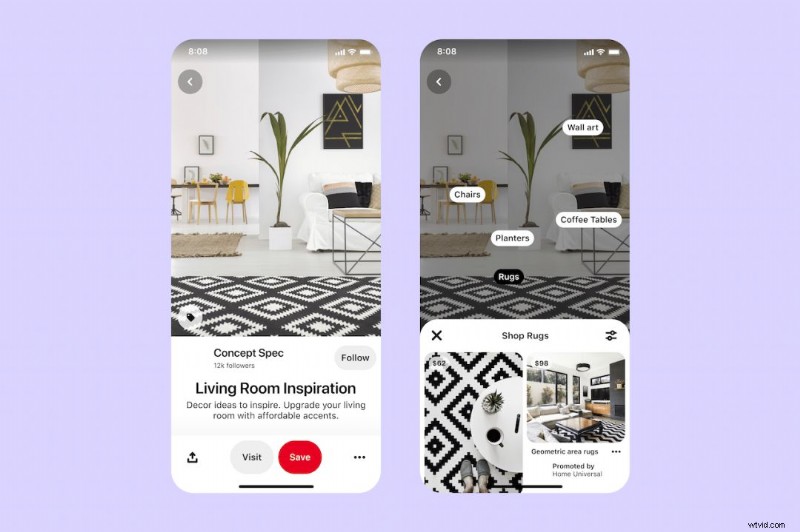
Shopping Ads
Single‑image or video ads sourced from a brand’s product catalog. Direct‑link plugins for e‑commerce platforms automate targeting based on product data.
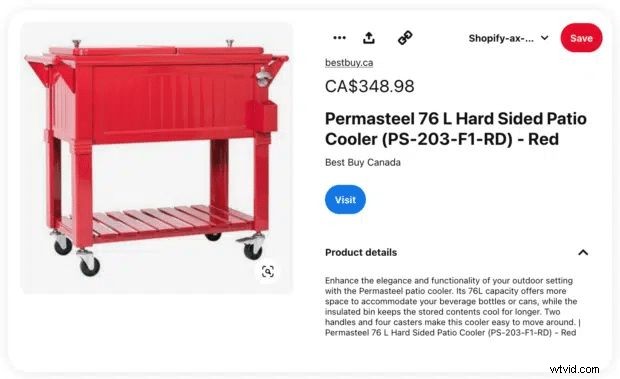
Product Rich Pins
Non‑advertising feature that enriches product pins with real‑time details, displayed in the “Shop” tab.
Cost of Advertising on Pinterest
Typical CPC ranges from approximately $0.10 to $1.50, positioning Pinterest as a cost‑effective alternative to platforms like Instagram and YouTube.
Is Pinterest Advertising Worth It?
The value of Pinterest Ads depends on your business model and objectives. Because the platform thrives on visual discovery, users often browse with a future purchase in mind—making it especially effective for lifestyle, home décor, fashion, food, travel, and DIY brands.
Ads integrate naturally into the feed, driving high‑intent traffic and strong conversion rates, particularly for evergreen products. The platform generally offers a better cost‑per‑acquisition than Meta or Google, but success typically requires persistent testing, compelling creatives, and an understanding that Pinterest’s attribution windows can be longer.
In practice, Pinterest is most suitable for B2C e‑commerce where the path to purchase is shorter. High‑value B2B prospects are less likely to convert directly from the platform.
What Is a Good Daily Budget?
Budget recommendations vary widely based on objectives, audience size, and industry. For newcomers, a prudent approach is to start small, validate creative and targeting, then scale incrementally.
Expert Tip: Adopt a low‑risk testing phase to discover what resonates, then increase spend once you have data‑driven confidence.
Targeting Options on Pinterest
Advertisers have control over how their Pins reach the intended audience through two primary targeting approaches:
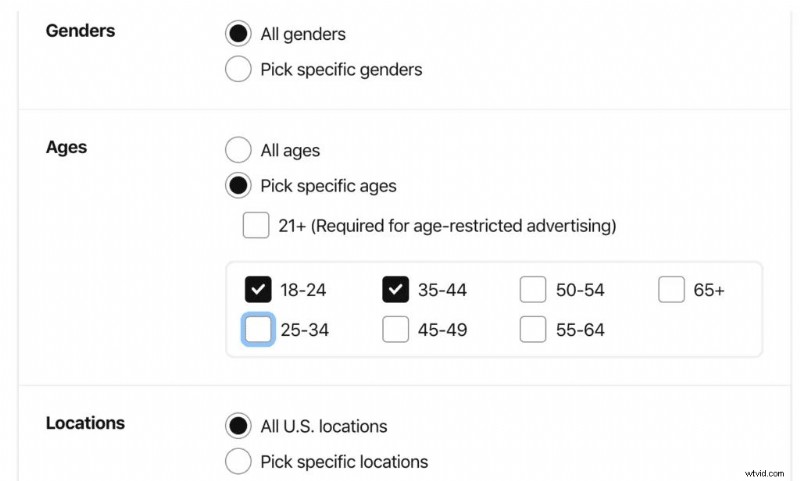
Custom Targeting allows you to set bid caps and audience parameters manually. See the screenshot of a Pinterest advertiser dashboard below.
Automatic Targeting delegates bid optimization to Pinterest’s machine learning algorithms, adjusting bids throughout the day based on real‑time performance.
When Should You Run Pinterest Ads?
Pinterest’s Ad Manager categorizes campaigns into five goal types. Align your campaign objective with the goal that best matches your desired outcome:
- Brand awareness – maximize impressions
- Video views – drive view counts
- Considerations – generate clicks
- Conversions – track specific events via website pixel
- Catalogue sales – measure e‑commerce sales tied to catalog items
Top Tips for a Successful Pinterest Ad Campaign
Maximizing impact on Pinterest hinges on several key practices:
Visual quality is paramount. Invest in high‑resolution photos and professionally edited videos to showcase products in the best light.
Adhere to Pinterest’s recommended specifications to avoid unwanted cropping or overlay issues. Properly sized assets give you full control over how your Pins appear.
Add interactive elements—such as click‑throughs or “shoppable” tags—to encourage engagement. Consistent brand presence reinforces recall.
Finally, apply a disciplined optimization cadence. Pinterest recommends waiting 3‑5 days before adjusting a campaign, allowing the algorithm to stabilize and provide reliable data.
Pinterest Ads Specs and Dimensions
Below is a concise summary of key specifications. For complete details, visit Pinterest’s official spec page.
- Ad titles: up to 100 characters; descriptions: up to 500 characters (only part of the title and no description is displayed to users).
- Image size: up to 20 MB for static pins, 32 MB for Idea Pins.
- Video size: up to 2 GB.
- Recommended aspect ratios: 1:1 (square) or 2:3 (vertical).
- Safe‑zone guidelines: ensure critical text and logos remain within 270 px (top), 65 px (left), 195 px (right), and 440 px (bottom) of the frame.
Thank You for Reading!
Pinterest offers a unique, visually‑driven advertising experience that can unlock high‑intent audiences. Whether it’s the right fit for your brand depends on your product type and marketing goals.
By combining thoughtful creative, strategic targeting, and ongoing optimization, Pinterest can become a valuable component of your 2026 marketing mix.
Key takeaways:
- Track performance closely and adjust in measured increments.
- Leverage the platform’s shoppable and interactive features.
- Experiment with various formats and refine your approach based on data.
- If results don’t meet expectations, pivot to channels that better align with your objectives.
Ready to explore Pinterest Video further? Check out our dedicated guide: Pinterest Video – The Complete Guide.

Samantha is Copy Team Manager at Wyzowl, with over 1,000 scripts and hundreds of articles on video marketing. Her expertise ensures every piece delivers impact.