
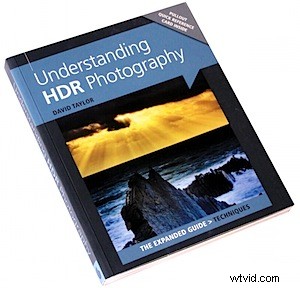
 In photography I doubt if there is a more controversial topic than the use of HDR — High Dynamic Range photography.
As author David Taylor explains: “A digital camera is a low dynamic range device.” And ever since Daguerre captured his first image photographers have laboured to utilise, expand or ignore this limitation … often times to the betterment of the photographic image, many would say.
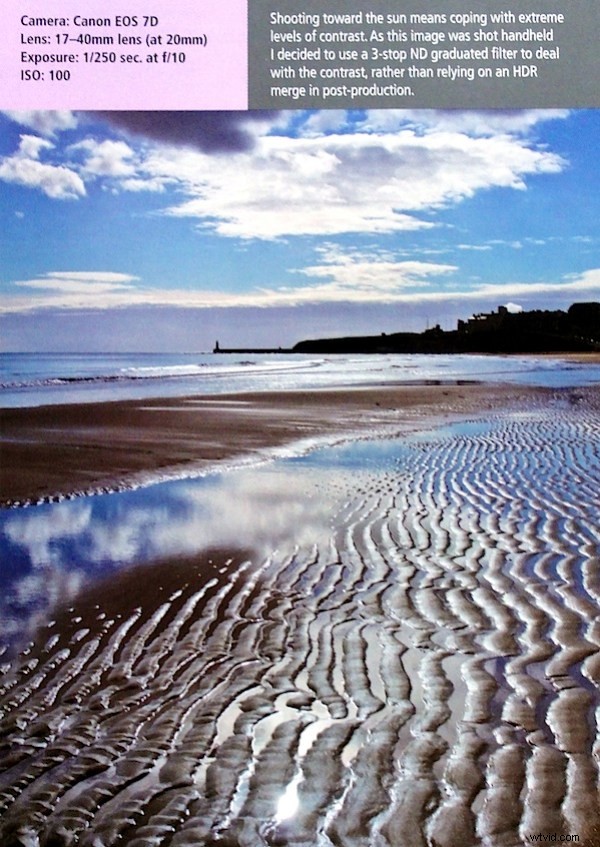
However it is impossible to argue against HDR when you view images treated with this technique, as displayed in this book, when you want to use photography to record all the information in a scene.
The problem, and this is where HDR excels, is when you are faced with a subject with a dynamic range impossible to capture on the digital sensor. Some resort to using neutral density filters to adjust the tonal range; some just read the exposure from the highlights and let the shadow areas fall away; others go for the shadow areas and let the highlights burn out.
HDR is a technique where you shoot a series of matching shots with varying exposure levels: sometimes three, five or more. These shots are then blended in software and a composite image created that encompasses all the information the originals contained.
Sensibly, one of the early chapters covers the subjects of sensors, wisely advising that small sensors as found in digi compacts are not ideal for HDR work, presenting problems of noise and low bit depth. It’s only when you reach the level of cameras that can capture 12- or 14-bit images that you can begin to enjoy the full benefits of HDR.
Taking a series of matching, but varying exposure, images is in principle a simple practice: the main thing is that neither the camera nor the subject should move during the series of exposures.
Taylor goes on to describe the basics, recommending that the exposures vary in shutter speed not lens aperture, due to variations in depth with the latter.
He also suggest using the RAW file format for the capture, as this contains all the original data of the image, unlike the compression and reduced detail of a JPEG image.
Suggestions are made as to suitable software for the task: Photoshop is one, Photomatix Pro is another, plus the Exposure Fusion option for Lightroom.
Choice of camera, lenses, filters, software and hardware are discussed, as is the important subject of tripods and heads to support the camera firmly during the matching exposures.
I was surprised to find the book suggests that even a single RAW image can be used to work in HDR: the method suggests you create a series of TIFF files with varying exposures; these can be loaded into the appropriate software and a resulting full tonal range image created.
If HDR interests you, there is arguably no better book on the market to get you started. This series of books is an in ideal ‘carrier’ of information on specific subjects and the information within them is tightly packed but easily accessible and pocketable, thanks to the 18x15cm size.
Author: D Taylor. Publisher: Ammonite Press. DLength: 192 pagesISBN: 978 1 90770 854 1. Price: Get a price on HDR Photography (The Expanded Guide: Techniques)