
Many garden owners who love wildlife photography try to capture birds in their own backyards, only to give up after a few attempts. With a bit of preparation, you can create a compact, high‑end setup that turns your garden into a professional bird‑photography studio.
Common Challenges
When photographing garden birds, you’ll quickly discover two major hurdles: the birds’ instinct to flee when you approach, and the cluttered background that often spoils an otherwise perfect shot. Birds typically seek shelter in trees, bushes, or hedges, and even a familiar perch can become a visual distraction.
Fortunately, feeding the birds gives you a powerful lever to guide their behavior and create a controlled shooting environment.
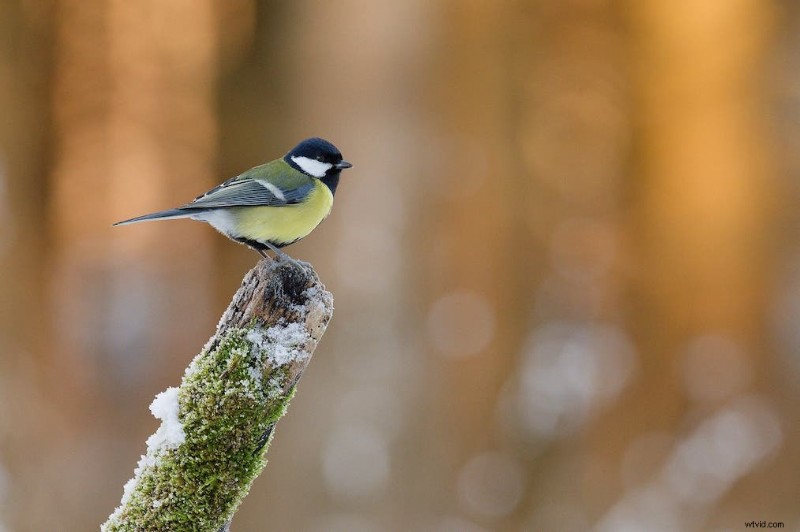
Step 1: Gear
My own setup consists of a Nikon Z8 body paired with a Z 400mm f/4.5 lens. While this delivers excellent image quality, the technique works with a broader range of equipment. A focal length of 200‑600mm is ideal, allowing flexibility without sacrificing reach.
Sensor type—full frame, crop, or Micro‑4/3—has minimal impact on garden bird photography. Full‑frame cameras offer marginal noise and depth‑of‑field advantages, but any sensor will perform adequately.
A sturdy tripod is essential. Birds move unpredictably; keeping the camera stable maximizes your chances of capturing crisp images when they pause on a perch.
Step 2: Identify Optimal Spots
If you already feed birds, evaluate the feeder’s placement. Position it close to the desired perch, considering the direction of natural light—front, side, or back‑lighting can dramatically change the mood.
Keep the background at least 6 meters away from the feeder and perch to ensure a smooth background when using a shallow depth of field. This distance will vary with camera‑to‑perch distance, focal length, and aperture.
Set up the feeder, fill it with seeds, and give birds a couple of days to learn the routine. Observation from inside the house can reveal which branches serve as launch points toward the feeder.
Step 3: Choose a Perch
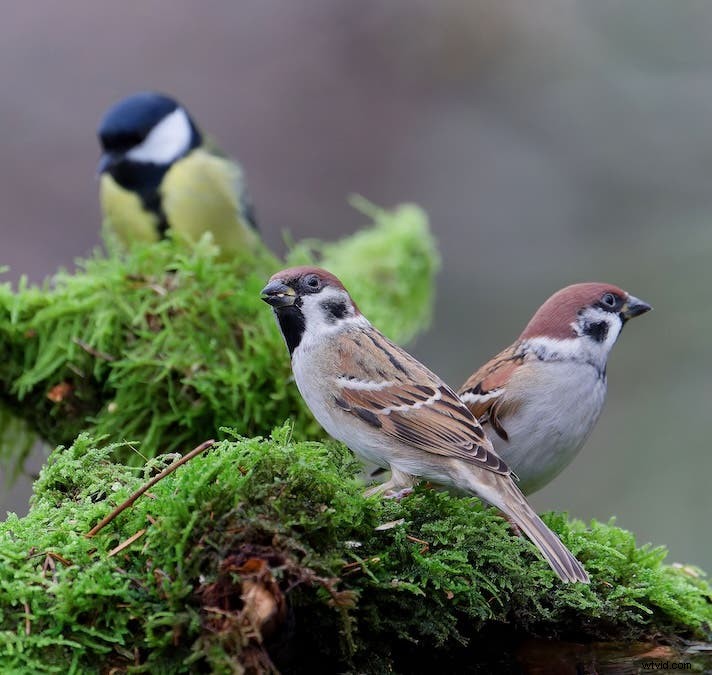
Look for a natural, moss‑covered branch with a slight curve—avoid fresh cuts or broken segments. A weathered, gnarly branch adds authenticity to the composition.
Step 4: Position Perch and Camera
Creating a “middle station” between resting trees and the feeder can coax birds to land on your perch before heading to the food. Raise the perch to about 1.2 m, using a small table or anchored poles. Lower the feeder slightly if it would otherwise force an upward camera angle.
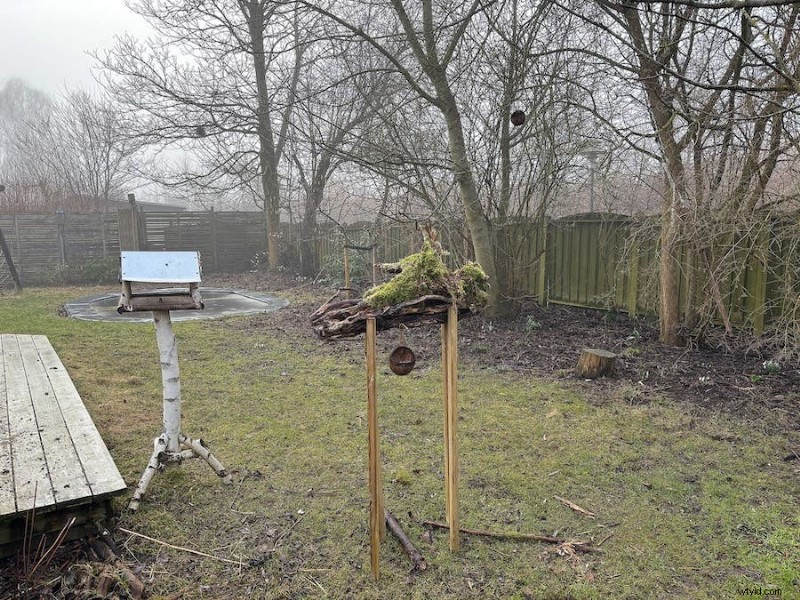
The second approach hides the feeder beneath the perch. Use a small roofed board or a hollow coconut suspended on a string. Remove all other feeders during the shoot to focus the birds on the single station.
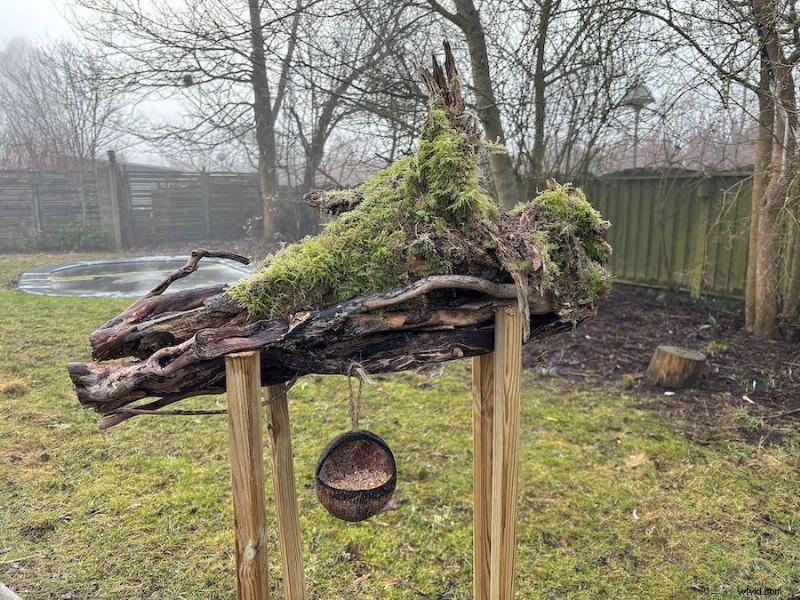
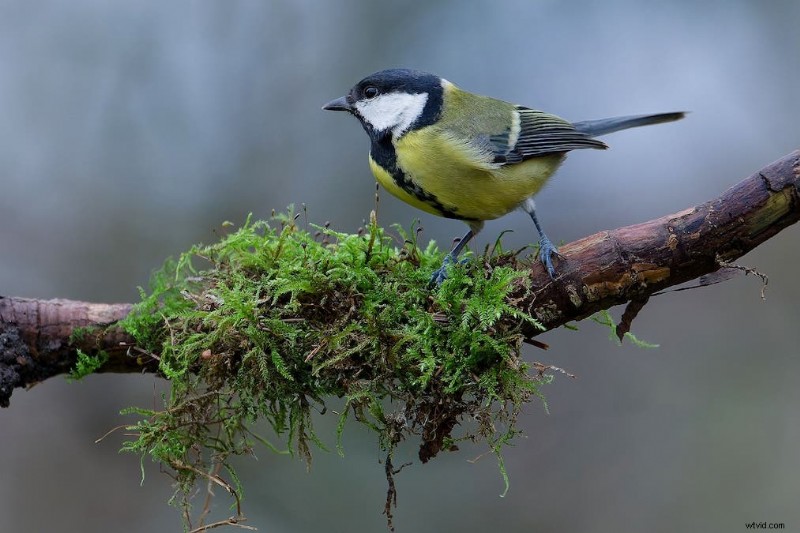
Wait for the Queue
Once birds use the perch, they often pause before jumping to the feeder—an ideal moment for a burst of shots. After photographing, refill any other feeders you had previously used.
Camera Positioning
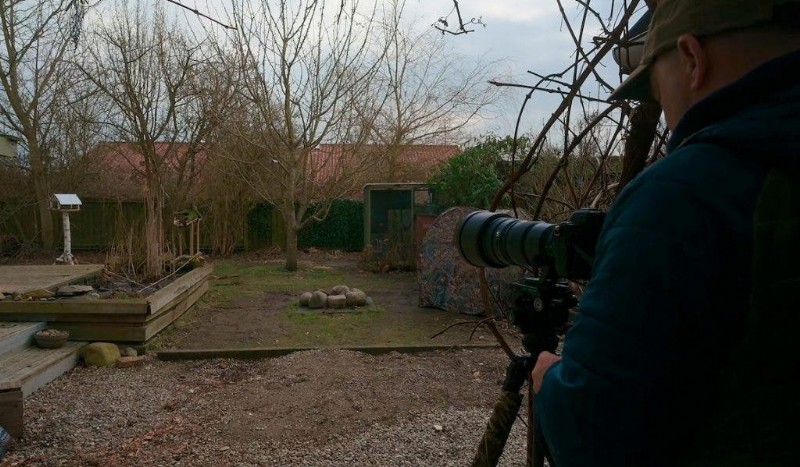
Without a hide, start 8–10 m from the birds; you may move closer if they remain calm. A simple hide or even green, earth‑colored clothing can help you blend into the environment.
I prefer a hide positioned 5–6 m from the feeder, which keeps me discreet and lets me observe the birds from a safe distance.
Step 5: Camera Settings
With a controlled environment, your settings can be straightforward. Shoot in manual mode with Auto‑ISO enabled for any wildlife situation.
For portrait shots of stationary birds, use the widest aperture your lens allows and a shutter speed around 1/400 s. Subject‑detection autofocus will lock on the bird quickly.
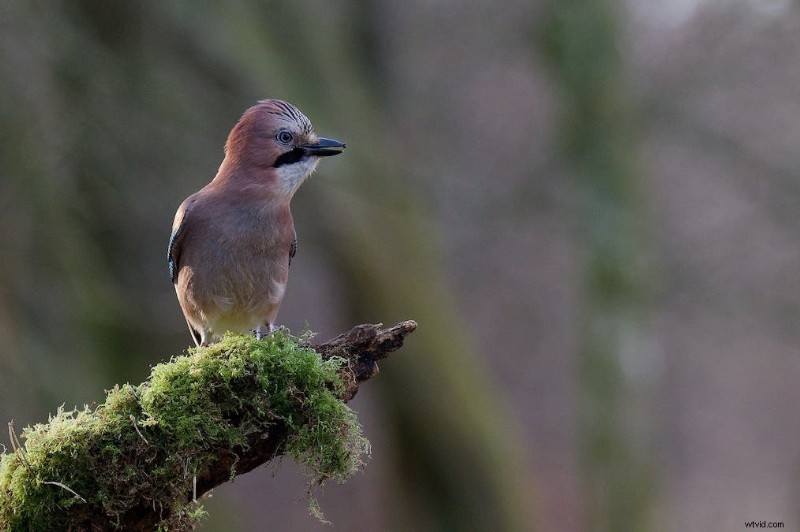
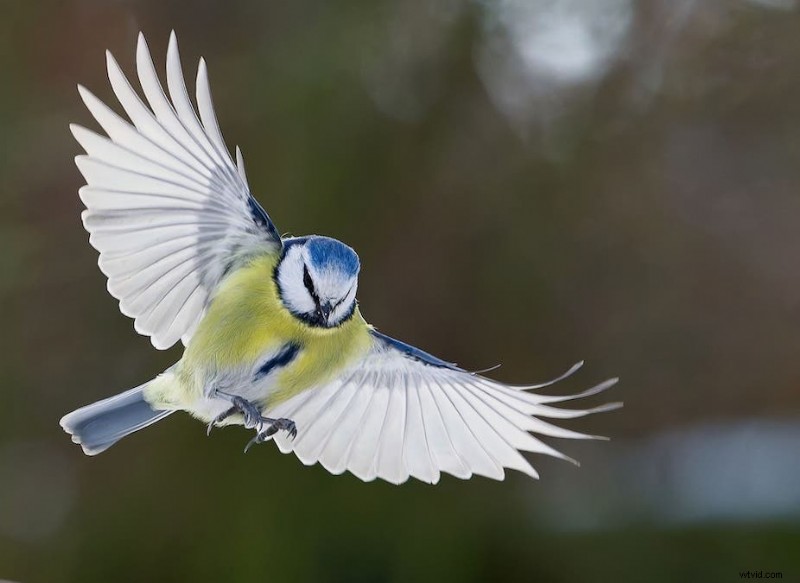
For action shots, raise the shutter speed to 1/2500–1/4000 s and stop down to f/8 to increase depth of field. When shooting back‑lit, apply -1 to -2 stops of exposure compensation to highlight the rim light.
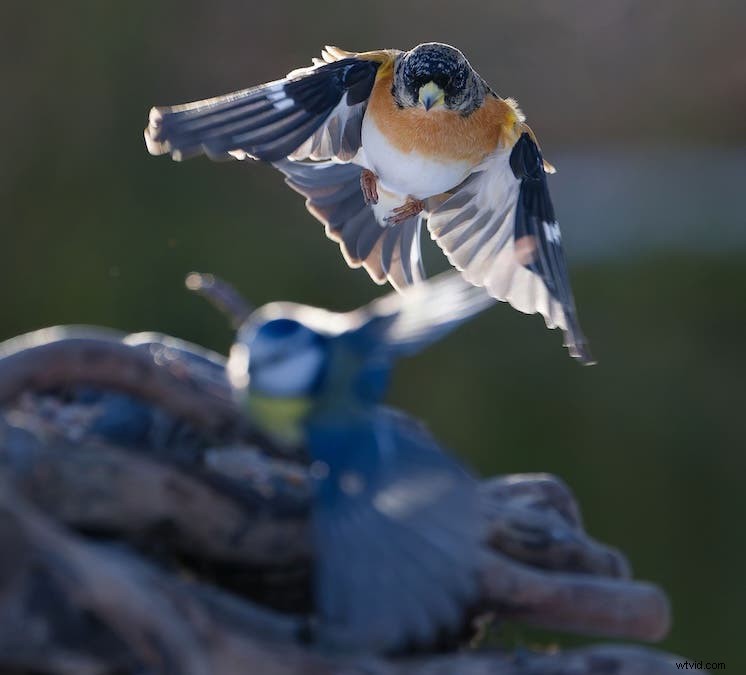
When a bird flies into frame, pre‑focus on the likely flight path and press the shutter early. Even the fastest autofocus motor can miss a fast‑moving subject.
Conclusion
By adjusting perch placement, feeder positioning, and lighting, you can produce a wide range of high‑end bird photographs from a single garden spot. Switching seed types can attract different species, offering fresh opportunities for unique images.

Peter Dam
Peter Dam is a professional nature photographer with over a decade of experience in wildlife photography, corporate shoots, and videography. He shares a wide array of nature‑photography insights on his website and YouTube channel.