
You can learn the basics of wedding photography on TikTok, from books, or by practicing poses in your backyard until they come to you automatically.
None of that prepares you for the moment a groomsman spills red wine on his shirt forty minutes before the ceremony, the flower girl decides she won’t walk down the aisle, or a bustle breaks and every eye turns to you. Why? Because you’re the one standing there, and you must look like you know exactly what to do.
This is the job— not just the photography part, but every aspect of that day.
Photographers who build enduring reputations aren’t judged solely on the images they create. They’re valued for staying calm when everything goes sideways, solving problems that aren’t technically theirs, and making everyone around them feel in control—even when the reality is far from it.
Here’s how I achieved that level of confidence, and how you can too.
Bring more than your camera
Your camera bag should contain every tool you need for a wedding shoot, and your emergency kit should cover every crisis you might face.
A small sewing kit—needle, black and white thread, safety pins—will save a wedding day at least once in your career. Bustles break, hems come undone, buttons pop, straps snap. You’re expected to fix these because you’re there, and you care.
Fashion tape, bobby pins, a pair of scissors, a lint roller, stain‑remover wipes, high‑quality tissues, and breath mints are also essential. They show you’re prepared to handle the unexpected and to keep guests comfortable.
Don’t forget a phone charger, a compact power bank, clear bandages for broken heels, and pain reliever—for the guests and, sometimes, for yourself.
These items may seem mundane, but they prove you care about more than just taking photos.
Read the room before you walk in
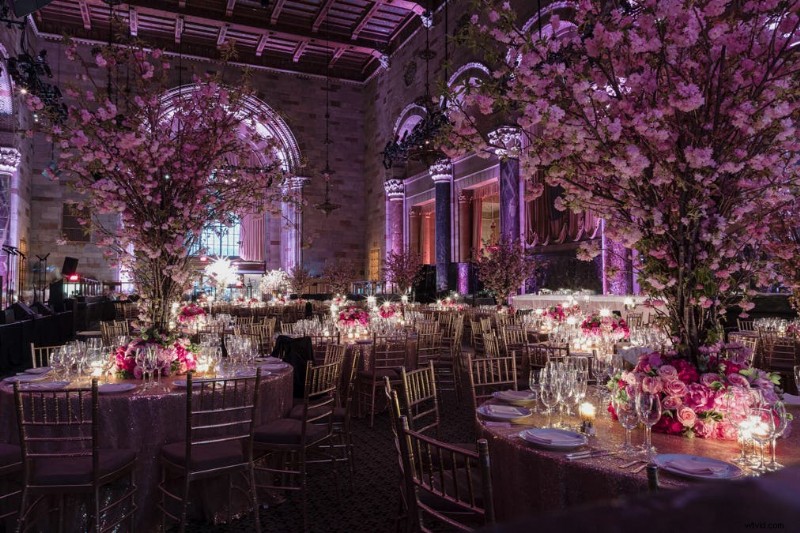
Every wedding has its own atmosphere. Some families are warm and relaxed, others formal and tense, and some are blended families navigating complex dynamics. A mother who has planned the day for thirty years might have strict opinions about where you should be standing.
Observe before you act, listen before you direct, and understand who the key decision‑makers are. If there’s a planner, treat them as a partner—introduce yourself early, stay in their peripheral vision, and follow their timeline while keeping an eye on the light.
Respecting the relationship dynamics around you builds trust and makes clients feel safe. Knowing whether a groom’s mother has passed away or whether a family feud is simmering helps you navigate the day with sensitivity.
The timeline will fall apart
Accept this now so it won’t surprise you later.
Hair and makeup can run long, the first look may take longer than expected, mandatory family photos can become a logistical nightmare, and the ceremony might start late. Your job is to protect the must‑have moments—couple portraits, essential family groupings, ceremony details—within whatever time you actually have.
Know your non‑negotiables before the day starts. If you have forty‑five minutes for portraits instead of ninety, adjust. Stay calm and keep the clients’ trust; do not show anyone the mental math you’re doing.
Ask for more time than you need for each segment and be ready to pivot if the day shortens.
Be invisible and present at the same time
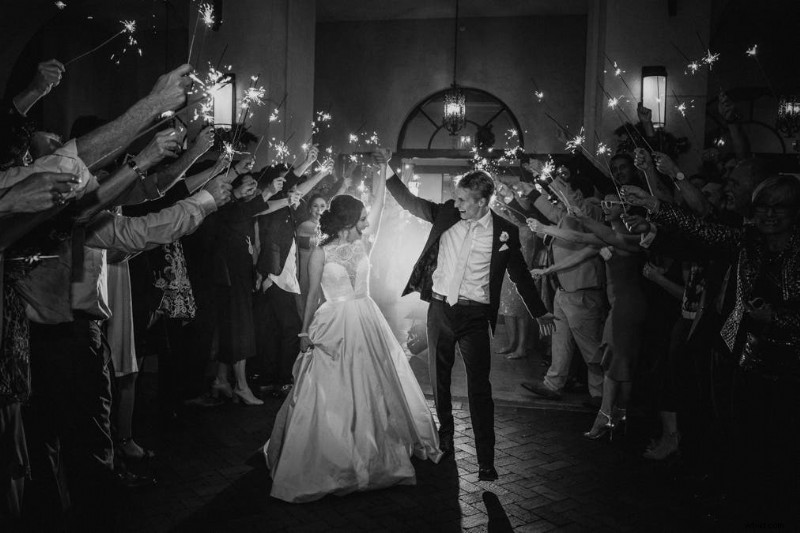
This may sound paradoxical, but it’s essential. You want to be close enough to capture genuine moments and far enough away that people forget you’re there. Mastering this balance requires practice and an acute sense of people.
Some couples relax immediately in front of a camera, others need a conversation, a joke, or a quiet cue. Some require you to hold still so they can be together. Pay attention to each couple’s rhythm and adjust your approach accordingly.
The best photographers aren’t using a secret posing system; they’re simply listening and responding.
Expect the unexpected
A family conflict may erupt during formal photos, a vendor might vanish, a venue may look nothing like the online photos, or weather could shift. And, of course, the timeline will keep changing.
Weddings are living, breathing, unpredictable events. Stay calm, stay professional, and stay out of drama that isn’t yours to handle. You are the photographer, not the planner, therapist, or referee. Do your job beautifully and let others focus on theirs.
The one exception: if something is about to ruin a frame—a wayward collar, a smudged lip, a veil caught on an earring—fix it quietly before you shoot. A gentle “hold on a second” and a quick adjustment is part of the job, done without making anyone self‑conscious.
Take care of yourself
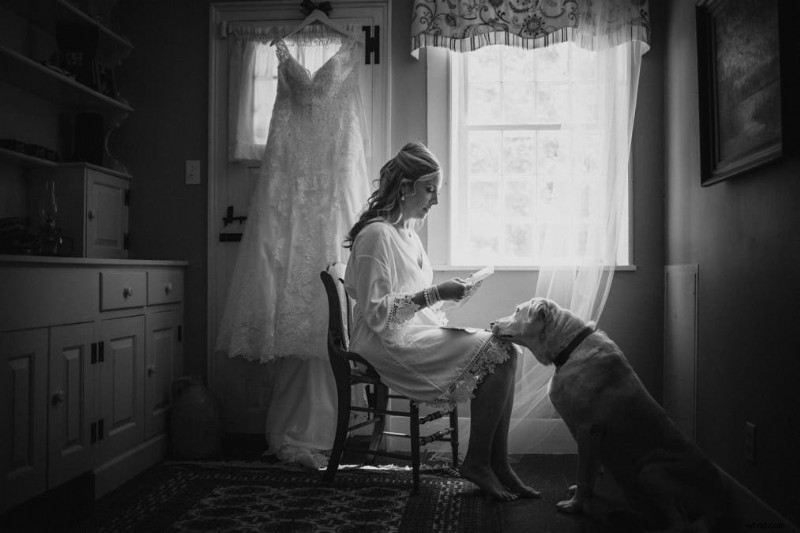
You’ll be on your feet for eight to ten hours—sometimes more—carrying heavy gear. You’ll eat whatever you can grab in five minutes, smile, stay warm, and be present while running on adrenaline and minimal water.
Eat before you arrive, bring quick, quiet snacks, and drink water throughout the day—even if you don’t feel like stopping. Wear shoes you can stand in for ten hours; the ones that look good will break you by cocktail hour. A pro tip: change shoes at the start of the reception—switching is better than a single good pair!
Taking care of yourself must come first. Nothing is more important than sipping water and eating a quick snack while you’re on the go.
The goal
The ultimate goal on every wedding day is for clients to look back and say you were exactly the right person to be there. Not just because of the images—though those matter hugely—but because you made them feel calm, supported, and in control when everything else was chaotic.
That’s the part of the job no one tells you about when you first start. Show up ready to handle everything, and your clients will love you even more.
Susan Stripling
Susan Stripling has been photographing weddings, portraits, and theater for over twenty years. Her work has been featured in Inside Weddings, Martha Stewart Weddings, Grace Ormonde Wedding Style, Modern Bride, Town and Country Weddings, the New York Times, New York Post, Rangerfinder, PDN, and in ads and advertorials for Nikon USA, Epson, and Canon USA.