
Most travel photos I see feel flat and uninspired. A quick scroll through a return‑home feed often shows the same tired shots: a landmark from a straight angle, a wide midday shot washed out by harsh light, or a beige blur of an otherwise vibrant scene.
That’s not a failure of the destination, nor a need for a new camera. I’ve sold images to agencies and printed photobooks with a Nikon F100, and yet the results were often the same.
The issue is a common one: an approach that doesn’t adapt to the realities of travel photography.
The Real Problem Isn’t the Place
Early in my career I followed the standard “shoot all day” routine, believing that volume equaled quality. Returning home, I would feel a hollow disconnect between my memories and the images: they were clean but lifeless, lacking depth and story.
I assumed the fault lay in my skills, but the real culprit was a lack of understanding how to handle harsh midday light, the most common lighting situation on a sunny holiday.
Learning to Shoot in Harsh Light
When you’re in a warm climate, you’ll almost always be shooting at noon. The sun is high, shadows are deep, and colors can become flat. If you’re unprepared, even the most iconic site can look uninteresting.
There are two practical strategies:
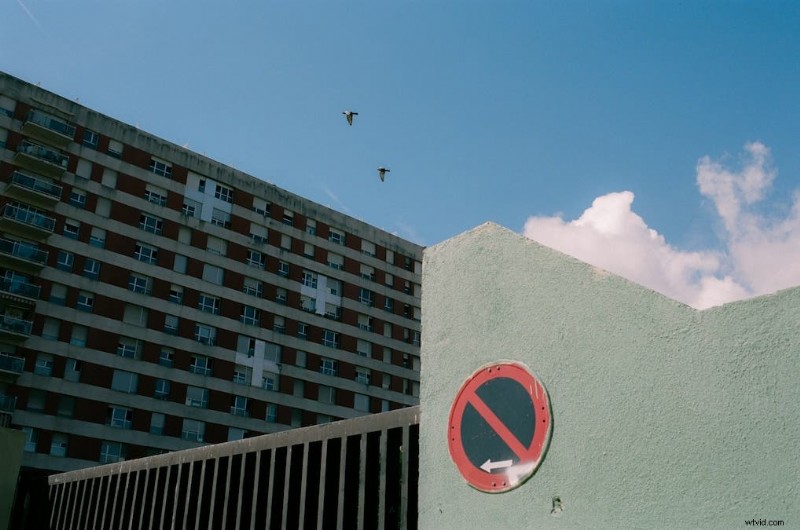
Simplify. Harsh light strips detail, so focus on fewer colors, fewer elements, and cleaner compositions. A single figure against a stark wall or a lone shadow can be powerful when the frame is uncluttered.
Seek shadows. Even at midday, shadows exist in doorways, alleyways, balconies, and under trees. They add depth and create visual interest. By framing your subject within a shadowed space, you give the image a sense of dimension.
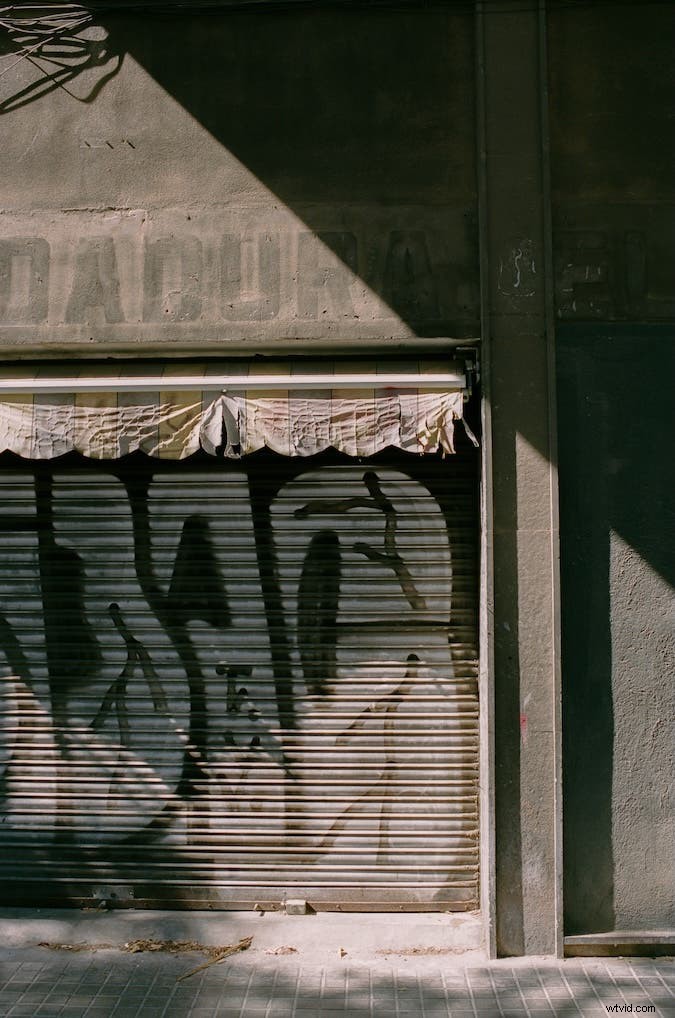
Mastering harsh light reduces your reliance on perfect conditions and elevates the overall quality of your travel images.
You Need Time, Not More Locations
A common mistake is to rush through a destination, juggling group logistics and half‑the‑time shooting. Photography becomes a side activity rather than the main focus.
Allocate a dedicated hour—or more—when you’re alone with your camera. This focused period allows you to compose deliberately, wait for the right moment, and truly engage with the scene instead of reacting impulsively.
When you’re in photography mode, you capture details that visitors often miss.
Why Mornings Change Everything
Consider starting your day before sunrise. The early light is softer, streets are quieter, and the atmosphere feels distinct from the midday bustle.
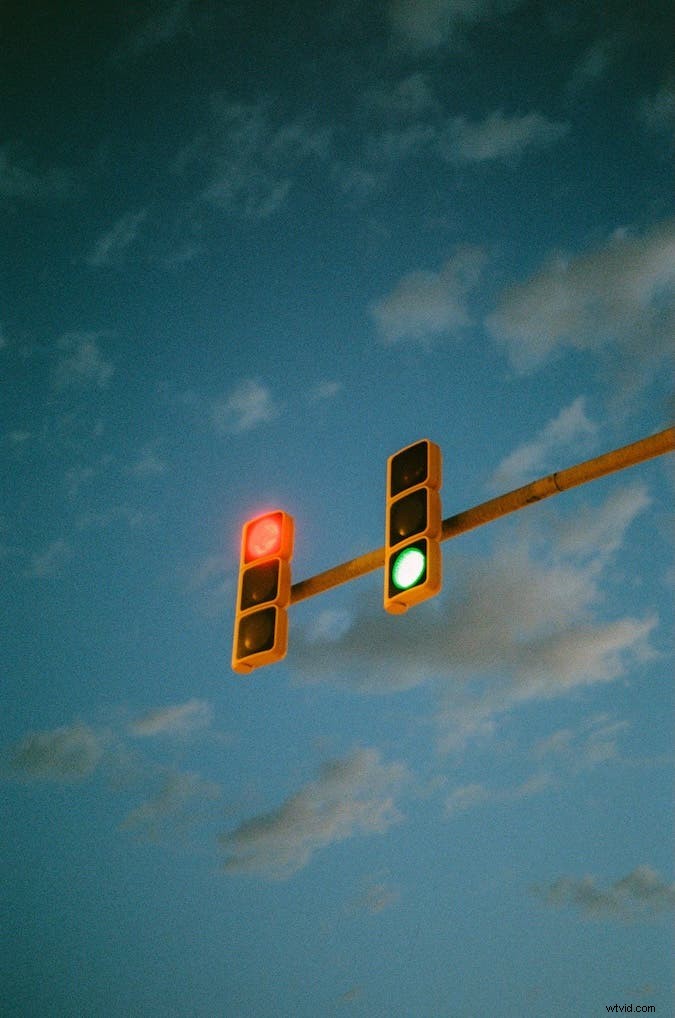
Morning light simplifies the challenges of harsh illumination, giving you time to plan, observe, and photograph without the distraction of crowds.
The Landmark Trap
Every city has a defining landmark—Barcelona’s Sagrada Familia, Paris’s Eiffel Tower, Rome’s Colosseum. These iconic subjects attract mandatory shots, but repeated self‑portraits can feel generic and postcard‑ish.
That doesn’t mean you should avoid them; it means you must shoot them differently.
Finding a Different Angle
When photographing a famous site, look beyond the obvious. Is there an interaction, a passer‑by, or a child playing nearby that adds narrative value? Position the landmark as a backdrop rather than the focal point.
For instance, in Barcelona I captured the cathedral framed by children running in front, people moving through the frame, and the structure looming softly in the background. The resulting image carries story and context, not just documentation.
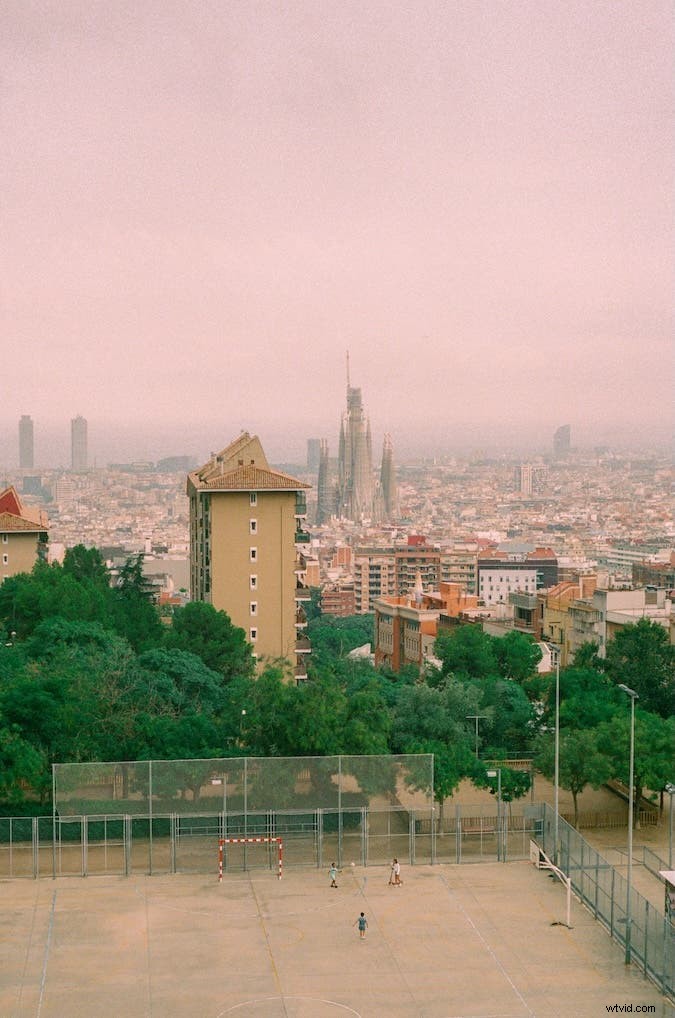
Experiment with slower shutter speeds to blur motion, or angle the lens slightly off‑center to introduce dynamic tension. Not every experiment will succeed, but each attempt broadens your visual language.
Photograph Life, Not Just Places
The most transformative insight was to shift focus from the destination itself to the people and moments that inhabit it.
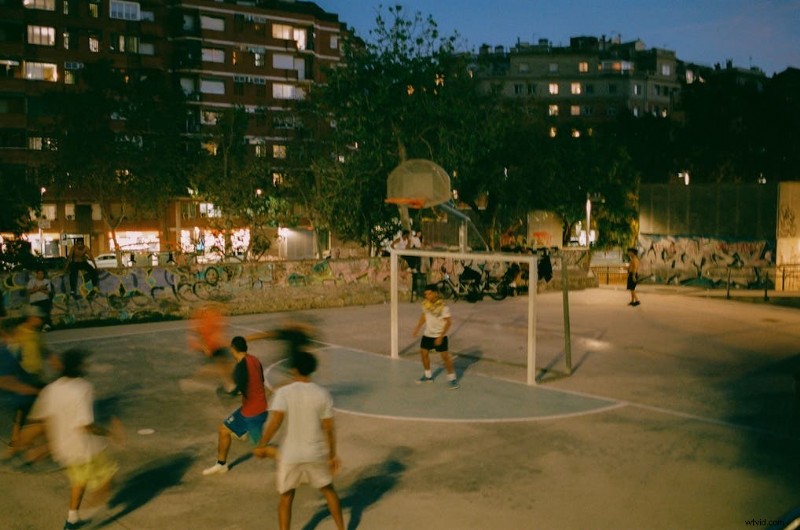
Ignore the tourist checklist. Wander the side streets, watch a street vendor, capture a spontaneous conversation, or simply observe the rhythm of daily life. Those candid, unplanned shots often become the most enduring memories.
What This Is Really About
It isn’t about expensive gear or complex techniques. It’s about intentionality—managing light, allocating time, and choosing what to frame.
When you stop chasing check‑list items and start listening to how a place feels, your photos gain authenticity and lasting impact.
The aim is not perfection, but to return home with images that still resonate when you reminisce.

Max Kent
Max Kent is a film photographer and YouTuber based in Manchester, United Kingdom. He specializes in photographic identity, creative style, and transforming projects into photobooks, exhibitions, or prints. His YouTube channel and website cover a wide range of photography topics, and his work can also be found on Instagram.