
Seascape photography blends the raw power of the ocean with the creative discipline of landscape photography. Whether you’re chasing the silky motion of gentle waves or the dramatic freeze of a crashing surf, mastering the coastal environment unlocks endless visual stories.
In this guide I share the insights that have shaped my own work along the South African coast—evidence of real experience, tested gear choices, and practical shooting strategies that elevate coastal images from good to unforgettable.
Gear Preparation
Choose a camera that gives you full manual control over aperture, shutter speed, and ISO. The ability to change lenses quickly and shoot long exposures—up to 30 seconds or beyond—via a self‑timer or shutter‑release cable is essential.
Lenses
- Wide‑angle (16‑35 mm): Captures the breadth of the shoreline, from sand to sky, and is ideal for golden‑hour light and sweeping cloud drama.
- Telephoto (70‑200 mm f/2.8+): Compresses the ocean’s patterns, isolates massive waves, and provides a powerful sense of depth.
Filters
- Circular Polarizer (CPL): Cuts reflections on wet rocks and tidal pools.
- Neutral Density (ND): 3‑, 6‑, or 10‑stop options give you control for long exposures; not mandatory, but highly recommended.
- Microfiber Cloths: Keep your front element free of sea spray and mist.
- Sturdy Tripod: A heavy, low‑profile tripod resists sinking into wet sand and stands firm in shifting currents.
- Shutter‑Release Cable: Extends bulb mode beyond 30 seconds and lets you time the shutter precisely when a wave strikes your frame.
- Apparel & Accessories: Waterproof shoes and breathable shorts let you wade comfortably and stay safe.
Why a sturdy tripod matters: always keep an eye on unexpected sneaker waves—safety first.
Composition and Choosing a Location
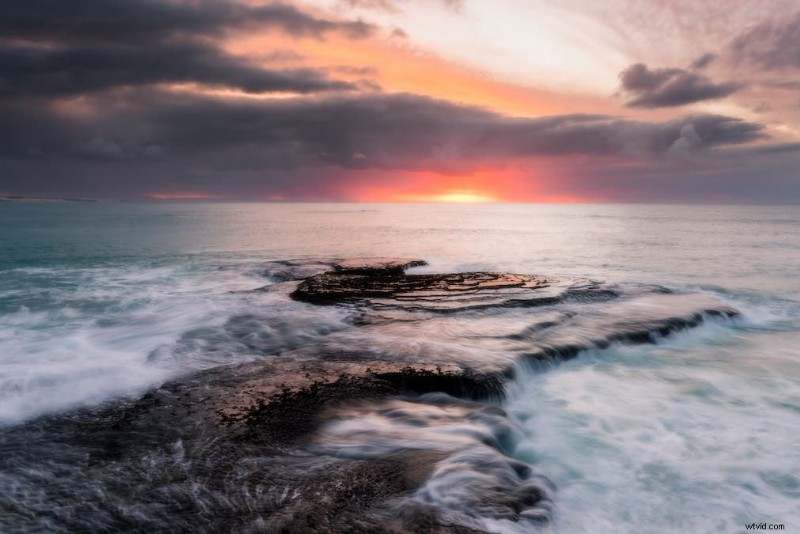 Location scouting, composition, tide, and timing are your top priorities.
With a wide‑angle lens, foreground interest anchors the image and guides the eye through the middle ground to the horizon. A powerful natural element can sometimes replace a separate foreground, but deliberate composition remains key.
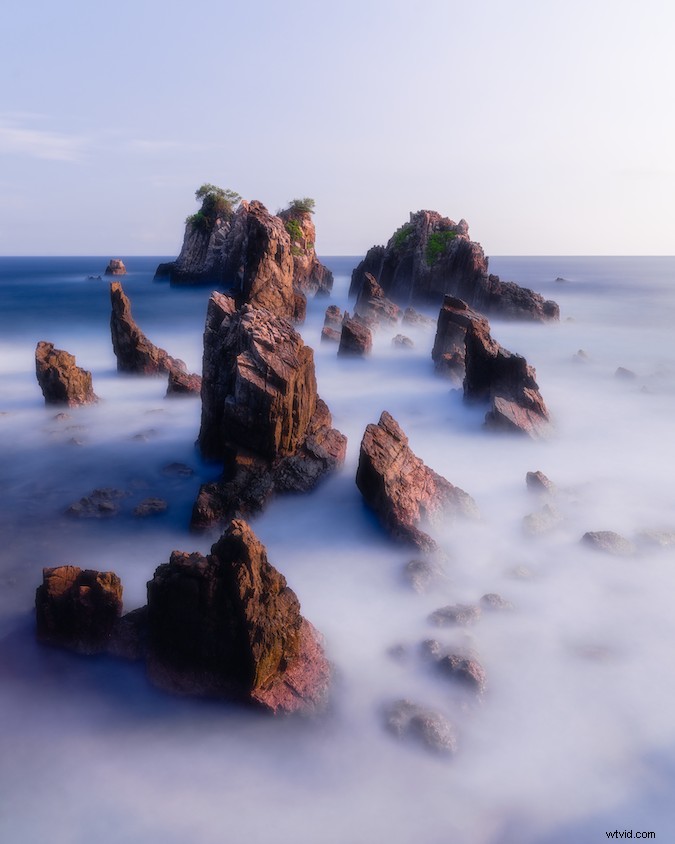
- Digital Scouting: Use Google Maps for coves and rock formations, PhotoPills for sunrise/sunset alignment, and tide charts to avoid being caught under high tide.
- Time of Day: Golden Hour delivers warm, directional light that highlights textures; Blue Hour offers soft, moody long‑exposure opportunities.
- What to Look For: Leading lines in sand, jagged sea stacks, reflective tidal pools, or unique pebbles; the sky and cloud movement are equally vital.
- Tripod Height: A low angle emphasizes foreground, while a higher angle reveals the wider scene.
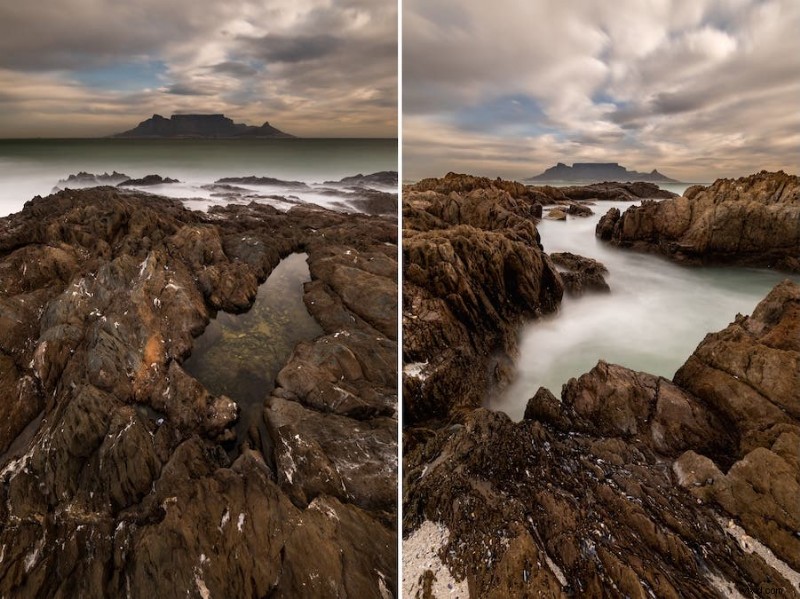 Seascapes and Tripod Height: a high angle shows the middle ground; a low angle highlights the foreground.
Camera Setting Guidelines
Your shutter speed depends on the desired effect. Long exposure with ND filters creates silky, motion‑blurred water; a 1‑second shutter can capture subtle water texture without excessive blur.
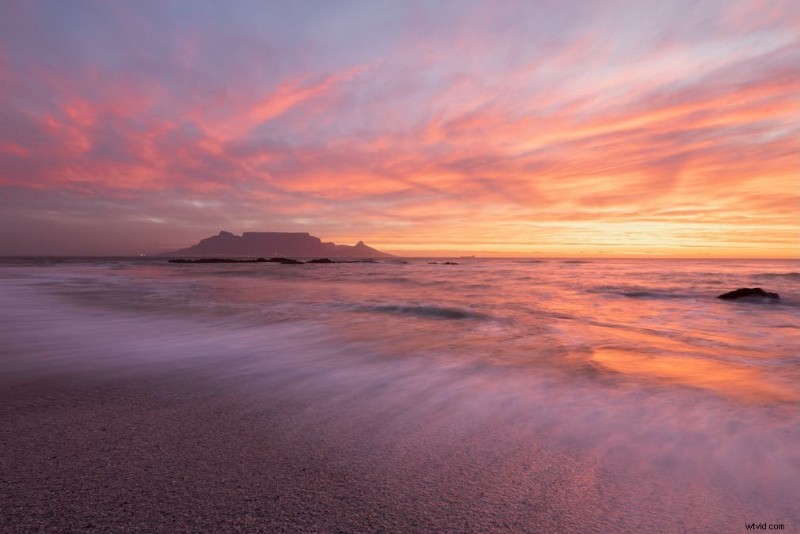 A 1‑second shutter captured receding water at golden hour.
Aperture & Depth of Field
Use f/9 or f/11 for maximum sharpness from foreground to horizon. Telephoto shots of distant waves may require a wider aperture and a fast shutter to freeze motion.
ISO Balancing
Keep ISO as low as possible to preserve detail, but increase slightly when you need a faster shutter or longer exposure.
Shutter Speed for Water Textures
During golden hour, 0.5–1 second is ideal for capturing the natural “veins” of retreating water. For ethereal, flat water or cloud streaks, switch to long exposure mode and use ND filters.
Timing Is Everything
Press the shutter as a wave begins to pull back or just before it crashes to capture dynamic motion.
Shoot Voluminously
Take multiple frames of the same composition; later, choose the shot that best reflects your vision.
Focus Strategy
Manually focus on the most compelling foreground element. In low light, this prevents autofocus hunting and keeps your exposure consistent.
Editing Priorities
Establish a visual hierarchy first. Start with global adjustments to recover shadows and control highlights, then refine with local edits. RAW files give you the most flexibility.
- The Sky: Keep it dramatic but balanced so it doesn’t overpower the ocean.
- Foreground & Middle Ground: Use dodging and burning to accentuate leading lines and rock textures.
- Reduce Distractions: Subtle vignette or slight exposure drop on peripheral clutter keeps the eye on the subject.
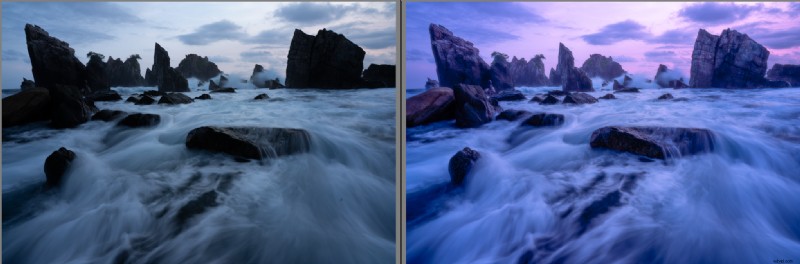 A 0.4‑second exposure: RAW gives you the power to reveal details.
Bonus Tips for the Field
- Cover Your Viewfinder: On DSLRs, light can leak through the optical viewfinder during long exposures. Use the eyepiece cap or black tape.
- Post‑Shoot Care: Saltwater and sea spray corrode equipment. Wipe down camera bodies, lenses, and clean tripod legs with fresh water to prevent rust.
Final Remarks
Seascape photography rewards patience, a willingness to get a little wet, and a deep respect for the ocean’s power. It’s not just about shutter‑speed math—it’s about savoring the creative dance of tide and light through your lens.
Mujahid Ur Rehman
Mujahid Ur Rehman, known as Muji, is a professional photographer and independent filmmaker based in Cape Town, South Africa. He focuses on storytelling through photography, short films on YouTube, and a newsletter covering life, people, travel, nature, and motivation. Explore his work at www.mujahidurrehman.com, follow his Instagram @muji.drifts, or watch his YouTube channel muji.drifts.