The Camera That Died During My Grandmother’s Story
It was 2015. I was filming In The End, a short about my grandmother’s dementia. Halfway through an interview, the camera stalled—file corruption, a recording limit I didn’t know existed. That footage was lost forever. I’d spent $1,800 on gear that looked pro but could only record 20 minutes. It was a costly lesson. Fast‑forward to 2021: I was on set for Netflix’s Maid as a set dresser. Cameras ran for hours, no interruptions. The difference wasn’t budget—it was knowing what actually holds up under pressure.
Affiliate Disclosure: I recommend only gear I’ve used on set or would purchase myself. Purchases made through the links on this site earn me a commission. I’m not paid to rank cameras.
The Direct Answer
Best mirrorless camera for beginner filmmakers in 2026: Canon EOS R10 (body only $980). No recording limits, reliable autofocus, and a user‑friendly menu system—so you can focus on storytelling.
Under $1,000: Sony ZV‑E10 II ($900). Offers effortless autofocus and high‑frame‑rate slow motion.
If you need serious color grading: Panasonic GH6 (now ~$1,519 on clearance) is the only camera with a built‑in cooling fan.
Why Most Camera Guides Are Written by the Wrong People
Many lists are written by photographers who’ve never been on a 14‑hour shoot. They obsess over megapixels and burst rates—metrics that matter for stills, not for film. Filmmakers need to consider:
- Recording time limits – Can you capture a 45‑minute interview without interruption?
- Audio inputs – A 3.5 mm jack vs. XLR can change your workflow.
- Codec efficiency – Are your files easy to edit?
- Battery life during video – Video drains faster than stills.
- Overheating – Will the camera shut down mid‑take?
I learned this the hard way on In The End. The camera overheated after 15 minutes and had no mic input, so I spent more time troubleshooting gear than directing actors.
The Uncomfortable Truth About Recording Limits
Even in 2026, some cameras still impose artificial recording caps. Canon previously capped at 29 min 59 sec for EU tax reasons—troublesome for weddings and interviews. The R10 removes that limitation, allowing you to shoot until your memory card fills.
Why this matters more than specs: On Married & Isolated, we captured an unscripted emotional moment that lasted longer than 30 minutes. A camera with a limit would have cut it short, costing us valuable footage. A reliable body lets you focus on the story.
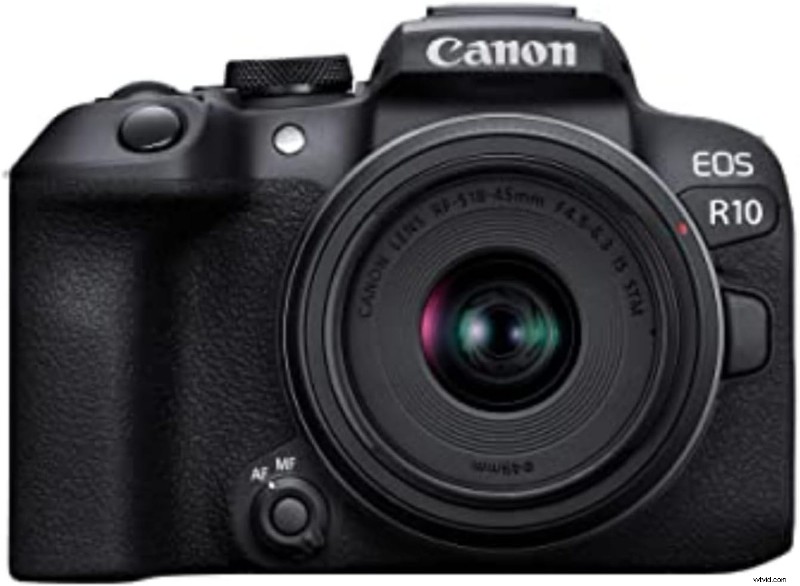
1. Canon EOS R10 – Best Overall for First‑Time Filmmakers
Price: ~$980 (body) | ~$1,299 (with 18‑45 mm kit lens)
I tested the R10 on a commercial shoot in Vancouver—4K/30p all day, interviews, B‑roll, handheld tracking. It never overheated, never crashed, and its Dual‑Pixel autofocus delivered crisp footage even for an assistant new to cameras.
Key advantages:
- No crop in 4K/30p – lenses perform as labeled
- Uncapped recording – shoot until the card fills
- Flip‑out screen – monitor from any angle
- Canon color science – natural skin tones without heavy grading
- RF lens mount – access to Canon’s newest glass and adapters for older EF lenses
In post, R10 footage blended seamlessly with Canon R6 Mark II shots—audience never noticed the switch.
Pros:
- Dual‑Pixel autofocus locks onto faces instantly
- No recording limits
- Large used EF lens market via adapter
- Lightweight (429 g body)
Cons:
- No in‑body stabilization – requires stabilized lenses or a gimbal
- Small LP‑E17 battery – bring 3‑4 spares
- Crops to APS‑C in 4K/60p
Computer requirements: Any laptop from 2018+ handles H.265 files; M1/M2 Macs are ideal.
Budget lens pairing:
- Canon RF 50mm f/1.8 ($199)
- Canon RF‑S 18‑45mm kit lens ($299)
- Sigma 18‑50mm f/2.8 DC‑DN RF ($549)
Best for: First‑time buyers, YouTube creators, indie narratives, wedding videographers
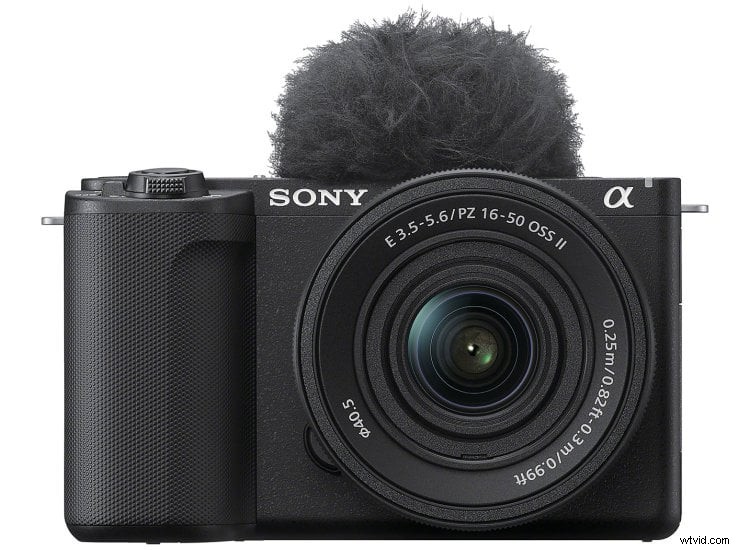
2. Sony ZV‑E10 II – Best Budget Pick Under $1,000
Price: ~$900 (body only)
Designed for vloggers, the ZV‑E10 II has proven itself on set—robust autofocus, 4K/60p, and 4K/120p (firmware update 2026). It’s a great entry point for creators on a budget.
Key features:
- 4K/60p – smooth slow motion at 2× speed
- 4K/120p & FHD/240p (via firmware) – advanced slow motion
- No recording limits – film until the battery dies
- Active image stabilization – good handheld shots without a gimbal
- Vertical video UI – screen rotates for TikTok/Instagram
- AI‑powered autofocus – tracks faces, eyes, moving subjects
On a cramped apartment shoot, the APS‑C sensor’s crop felt like a 35 mm focal length, giving a pleasing perspective for interviews.
Pros:
- Excellent slow‑motion performance for its price
- AI autofocus tracks subjects reliably
- Vertical video mode unique at this price point
- Compact and lightweight
Cons:
- APS‑C sensor struggles above ISO 3200 – more noise than full‑frame
- Sony’s menu system is complex
- No built‑in ND filters – digital compensation only
Computer requirements: 4K/60p H.265 needs at least an M1 chip or Intel i7 (10th gen+).
Budget lens pairing:
- Sony E 35mm f/1.8 OSS ($448)
- Sigma 18‑50mm f/2.8 DC‑DN ($549)
- Viltrox 23mm f/1.4 ($349)
Best for: Budget filmmakers, content creators, travel videographers, documentary work, social media producers
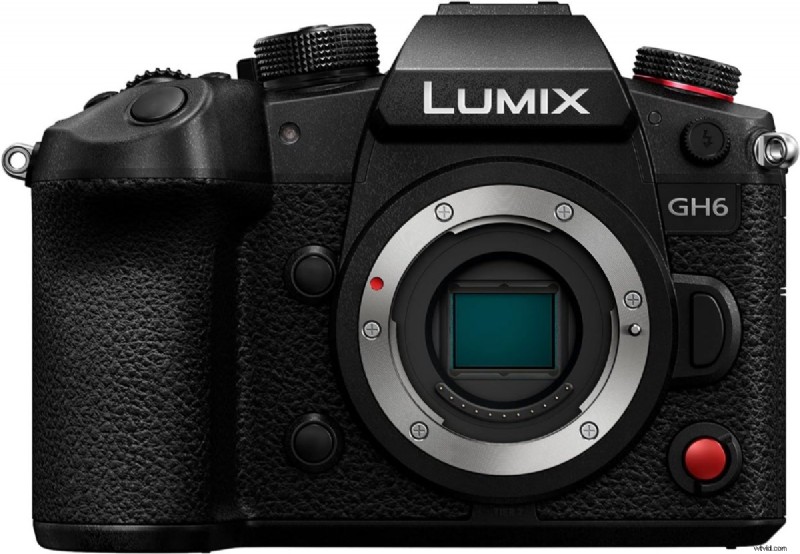
3. Panasonic Lumix GH6 – Best for Video‑First Filmmaking (2026 Clearance Deal)
Price: ~$1,519 (body only, clearance pricing)
Designed for video, the GH6 offers 5.7K ProRes RAW, 10‑bit 4:2:2 internal recording, and a built‑in cooling fan—so it never overheats. Weather‑sealed and compact, it’s ideal for extreme conditions.
Key strengths:
- Unlimited recording time – fan prevents overheating
- 10‑bit 4:2:2 – ProRes 422 HQ for professional grading
- 5.7K ProRes RAW – Hollywood‑level files without external recorders
- Dual SD card slots – redundant recording
- Micro Four Thirds mount – vast lens ecosystem, affordable glass
- Weather‑sealed body – shoot in rain, snow, dust
Retailers are clearing inventory for the GH7, making this a great bargain for under $1,600.
Pros:
- Built‑in cooling fan – zero overheating
- Internal ProRes RAW – no external recorder needed
- Weather‑sealed for harsh environments
- Extensive MFT lens selection – cheap vintage options
Cons:
- Micro Four Thirds sensor struggles above ISO 3200
- Contrast‑detect AF – less reliable than phase‑detect
- ProRes files are massive – requires CFexpress Type B cards
Computer requirements: ProRes RAW requires M2/M3 chip or a PC with RTX 3060+ GPU.
Budget lens pairing:
- Panasonic 25mm f/1.7 ($148)
- Sirui 35mm f/1.8 anamorphic ($399)
- Olympus 12‑40mm f/2.8 PRO ($599)
Best for: Serious filmmakers, documentary shooters, anyone prioritizing video over photo, extreme weather shooting
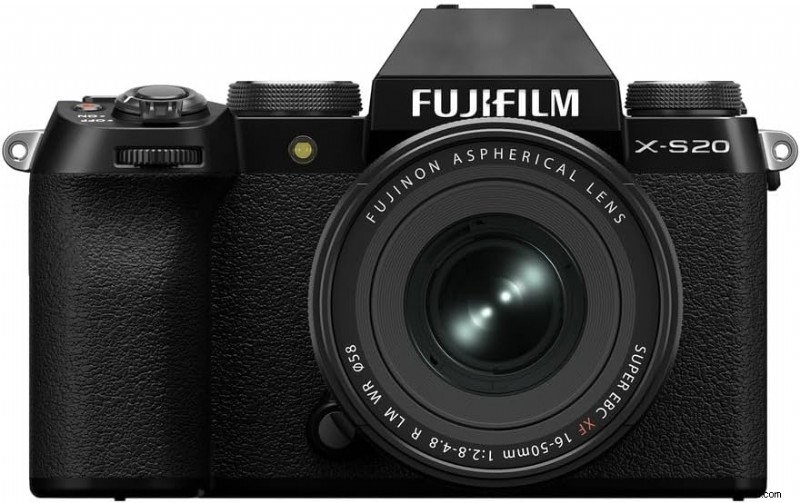
4. Fujifilm X‑S20 – Best Hybrid Camera (Photo + Video)
Price: ~$1,299 (body only)
The X‑S20 balances stills and video. It offers 6K Open Gate, 7‑stop IBIS, and built‑in film simulations that give footage a cinematic look straight out of the camera.
Standout features:
- 6.2K video – higher resolution for cropping
- 6K Open Gate – 3:2 ratio for flexible output
- 7‑stop IBIS – top‑tier stabilization
- Vlog mode – simplified interface for video shooting
- 750+ shots per charge – longest battery life in class
- Film Simulations – in‑camera color profiles (Classic Chrome, Eterna, etc.)
Film simulations save hours of grading; I shot a noir short entirely in “Eterna Bleach Bypass,” achieving a high‑contrast look without post‑processing.
Pros:
- 6K Open Gate – ideal for social media flexibility
- Best‑in‑class IBIS – 7 stops
- Film Simulations – cinematic looks in‑camera
- Longest battery life – 750+ shots
Cons:
- Autofocus lags behind Sony/Canon for tracking shots
- Limited lens ecosystem – fewer third‑party options
- Runs hot during long 6K recordings
Computer requirements: 6K files need M1/M2 or Intel i7 (11th gen+) for efficient editing.
Budget lens pairing:
- Fujifilm XC 35mm f/2 ($199)
- Viltrox 23mm f/1.4 ($349)
- Fujifilm XF 18‑55mm f/2.8‑4 (~$400 used)
Best for: Hybrid shooters, photographers adding video, travel filmmakers, run‑and‑gun documentaries, multi‑platform creators
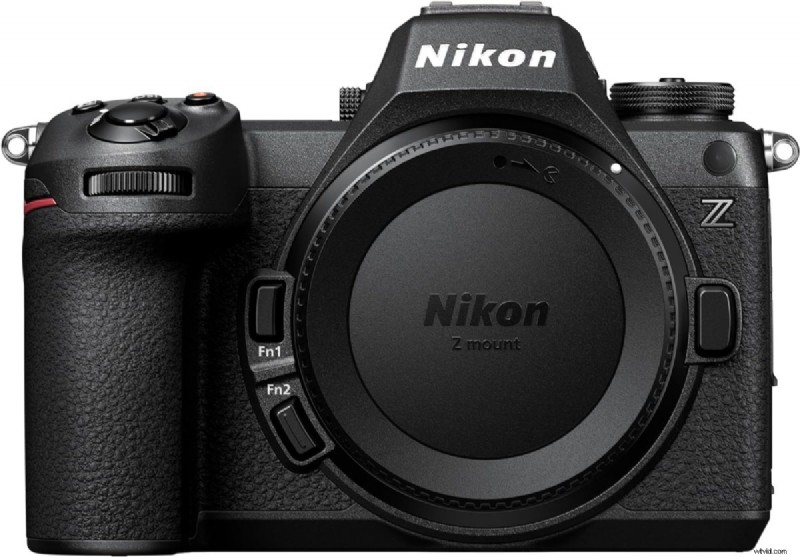
5. Nikon Z6 III – Best Full‑Frame Option
Price: ~$2,497 (body only)
For those with a larger budget, the Z6 III delivers full‑frame low‑light performance, shallow depth of field, and internal N‑RAW recording—no external recorder needed.
Full‑frame advantages:
- Better low‑light performance – clean ISO 6400+
- Shallow depth of field – cinematic bokeh
- Wider dynamic range – more detail in shadows & highlights
- Internal N‑RAW – professional codec without external gear
- Weather‑sealed, durable build
Nikon’s color science, especially for skin tones, is beautiful. The Z‑mount lenses are sharp and more affordable than Canon RF equivalents.
Pros:
- Full‑frame low‑light performance (clean ISO 6400+)
- Internal N‑RAW recording
- Excellent color science for skin tones
- Affordable Z‑mount lenses
Cons:
- Expensive ($2,500 body‑only)
- Average battery life for full‑frame
- Learning curve for N‑RAW workflow
Computer requirements: N‑RAW requires M2 Pro/Max or a PC with RTX 4060+ GPU.
Budget lens pairing:
- Nikon Z 40mm f/2 ($277)
- Nikon Z 24‑70mm f/4 (~$600)
- Viltrox AF 27mm f/1.2 PRO ($399)
Best for: Advanced beginners, low‑light shooters, wedding videographers, those needing full‑frame quality
How to Actually Choose Your First Camera
Forget specs alone. Ask yourself:
1. What will you shoot most?
- YouTube/social content – Sony ZV‑E10 II (vertical UI, 4K/120p)
- Narrative shorts/features – Panasonic GH6 (ProRes RAW, no overheating)
- Weddings/events – Canon R10 (reliable autofocus, unlimited recording)
- Hybrid photo + video – Fujifilm X‑S20 (6K Open Gate, Film Simulations)
- Low‑light/night work – Nikon Z6 III (full‑frame sensor, N‑RAW)
2. What’s your total budget (camera + lenses)?
$1,500 total:
- Sony ZV‑E10 II ($900) + Sigma 18‑50mm f/2.8 ($549)
$2,000 total:
- Canon R10 ($980) + RF 50mm f/1.8 ($199) + RF‑S 18‑45mm ($299) + extra batteries
$2,500 total:
- Panasonic GH6 ($1,519) + Sirui 35mm Anamorphic ($399) + Olympus 12‑40mm f/2.8 ($599)
$3,000+ total:
- Nikon Z6 III ($2,497) + Z 40mm f/2 ($277) + accessories
The Gear They Don’t Tell You About
A camera body is just the start.
Must‑Have Accessories (First $500)
- Extra batteries ($50‑80 each) – bring 2‑3 minimum
- Fast SD cards ($80‑120) – V60 or V90 rated for 4K
- Camera cage ($80‑150) – protects the body and adds mounting points
- External microphone ($100‑200) – Rode VideoMic GO II
- ND filter ($80‑120) – for cinematic motion blur
- Tripod ($150‑300) – Manfrotto or Benro fluid head
Nice‑to‑Have Upgrades (Next $1,000)
- Small monitor ($200‑400) – Feelworld or Desview 5″
- LED panel ($80‑150) – Aputure AL‑M9
- Gimbal stabilizer ($300‑500) – DJI RS3 Mini
- Fast prime lens ($300‑600) – f/1.4 or f/1.8 for low light
- Pelican case ($150‑200) – protect your investment
Total realistic budget: $2,500‑4,000 for a complete beginner setup.
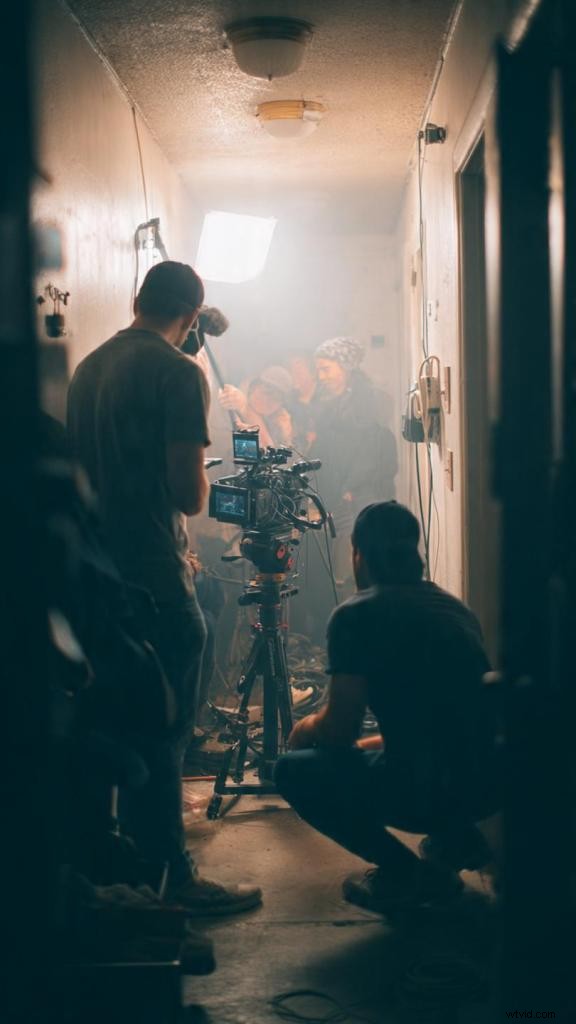
What Actually Matters on Set (Real Talk)
I’ve seen great cameras fail in the field.
Recording Time Limits
Canon’s 29‑min cap was a nightmare for interviews. The R10’s unlimited recording eliminates this risk.
Overheating
Early Sony A7 models throttled after 15 min of 4K. Modern bodies—ZV‑E10 II, R10, GH6 with fan—solve this.
Audio Inputs
A 3.5 mm mic jack is the bare minimum; XLR gives better control. Some bodies lack an audio input entirely—unacceptable for serious work.
Codec Efficiency
RAW and ProRes files are large and demanding; H.264/H.265 are smaller and easier to edit. Match the codec to your editing workflow.
Autofocus vs. Manual Focus
Sony and Canon excel in autofocus; Panasonic’s is improving. Manual focus can be more intentional and cinematic—learn to pull focus.

Common Beginner Mistakes (That Cost Me Money)
Mistake 1: Buying Too Much Camera
My first “pro” camera cost $4,000. I didn’t use half its features. Start small, upgrade when needed.
Mistake 2: Ignoring Audio
Film is 50% audio. A $100 shotgun mic beats a built‑in mic.
Mistake 3: Forgetting About Storage
4K video is huge—256 GB cards hold ~2 h at 30p. Plan for multiple cards for weddings.
Mistake 4: Not Testing Before the Shoot
Never use a new camera on a paid job without testing its settings.
Mistake 5: Chasing “The Look”
Focus on story, lighting, performance—not bokeh. I shot a festival‑screened short on an iPhone with a $30 anamorphic lens.
What Nobody Tells You About Camera Ecosystems
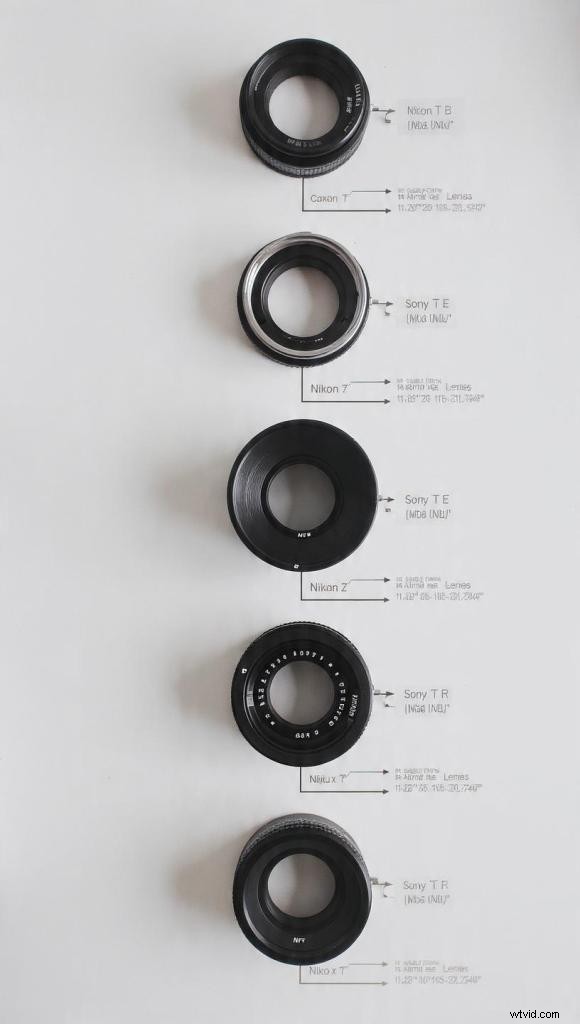
Buying into a brand locks you into lenses and accessories. Switching costs thousands.
- Canon – Best autofocus, huge lens selection
- Sony – Best video specs, compact bodies
- Nikon – Best color science, underrated lenses
- Fujifilm – Best design, fun to use
- Panasonic – Best video features, smaller lenses
I’m in Canon’s ecosystem. Switching would cost $10,000+. Pick your tribe carefully.
The Camera I’d Buy Today (If Starting Over)
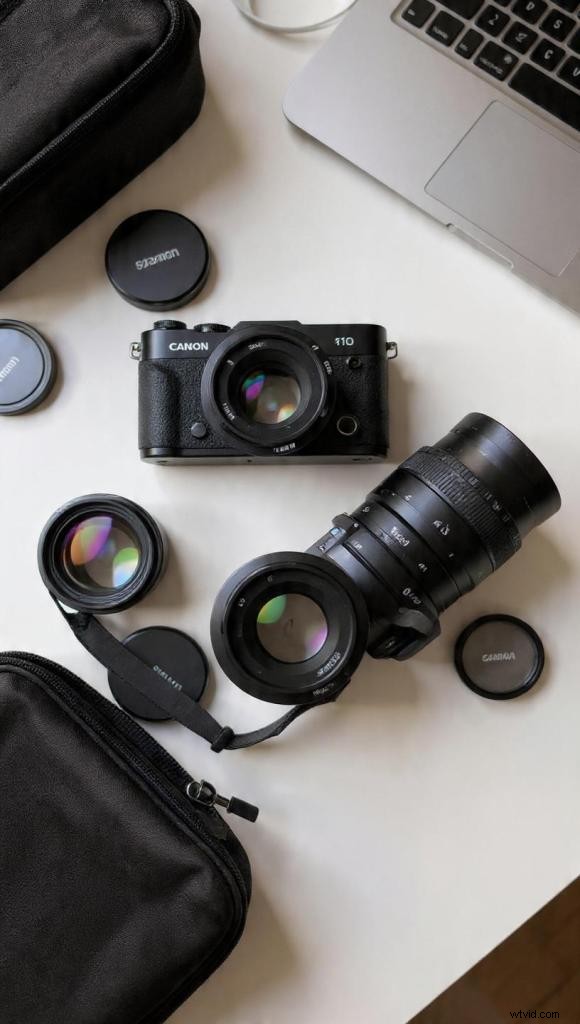
Canon EOS R10 with the RF 50mm f/1.8 and Sigma 18‑50mm f/2.8.
Total cost: ~$1,800.
It covers 90% of filmmaking scenarios: reliable autofocus, manual controls, no recording limits, decent low‑light performance, and room to grow. Canon’s used lens market is massive—$200 used 50mm f/1.4 looks like a $600 lens.
Quick Comparison Table
| Camera | Price | Best For | Key Feature | Weakness | Computer Needs |
|---|---|---|---|---|---|
| Canon EOS R10 | $980 | First‑time buyers | Reliable AF | No IBIS | Any laptop 2018+ |
| Sony ZV‑E10 II | $900 | Budget/creators | 4K/120p slow‑mo | APS‑C low light | M1 chip or i7 10th gen+ |
| Panasonic GH6 | $1,519 | Video‑first work | Built‑in cooling fan | MFT sensor | M2/M3 for ProRes |
| Fujifilm X‑S20 | $1,299 | Hybrid photo+video | 6K Open Gate | Lens selection | M1/M2 or i7 11th gen+ |
| Nikon Z6 III | $2,497 | Low‑light/pro work | Internal N‑RAW | Price | M2 Pro/Max or RTX 4060+ |
🎥 Affiliate links: I earn a commission if you purchase through these links. Prices and availability are subject to change.
Final Thoughts: Just Start Shooting
I’ve written 4,000+ words about cameras, but the truth is simple: the camera doesn’t matter as much as you think. Great films come from good storytelling, lighting, and performance, not a $50,000 cinema rig. Pick any camera from this list, learn it thoroughly, shoot ten short projects, and then reassess. The best camera for beginners is the one you actually use.