
Introduction
Recall the last travel video that lingered in your mind. Whether it was the aromatic heat of a night market or the silent crunch of boots on a mountain trail, the impact was clear: the footage captured more than a location—it captured a feeling. That level of immersion isn’t accidental; it’s the result of intentional storytelling in travel filmmaking. This guide goes beyond pointing a camera at scenic spots; it teaches you how to turn a trip into a compelling narrative that resonates with viewers.
Why it matters:
- Beginners learn how to replace shaky, disconnected clips with cohesive stories—even using just a smartphone.
- Content creators discover fresh techniques that set their work apart from the typical vlog noise.
- Casual travelers gain tools to document moments that feel meaningful and memorable.
We’ll cover everything from narrative planning and b‑roll capture to lighting tricks and on‑the‑go editing. Real‑world examples, gear recommendations, and a practical checklist will accompany each step, ensuring you’re ready to film your next adventure.
By the end, you’ll transform a raw footage collection into cinematic travel videos that feel immersive, polished, and unforgettable.
Preparation: The Secret to Great Travel Films Starts Before You Pack
Many novices begin filming the moment they land, resulting in hours of beautiful yet empty shots. The truth is, the best travel films are planned before you even leave home. A little narrative groundwork ensures your footage has a clear flow.
Crafting a Narrative Arc
Every great travel video follows a three‑part structure—introduction, conflict or journey, climax, and resolution—regardless of length. Think of your trip as a story: where are you, what challenges arise, what high point you reach, and how you’re changed.
- Introduction – Set the context and why it matters.
- Conflict or Journey – Highlight challenges or discoveries.
- Climax or Highlight – Deliver the emotional or visual peak.
- Resolution – Reflect on how the journey ends or transforms you.
📌 Example
Backpacking through Thailand: Instead of random temple shots, film a sequence that begins with navigating Chiang Mai’s bustling streets (conflict), engages with local vendors (journey), discovers a hidden café (climax), and ends with a reflective dinner (resolution). That arc keeps viewers engaged.
Shot Lists and Storyboarding
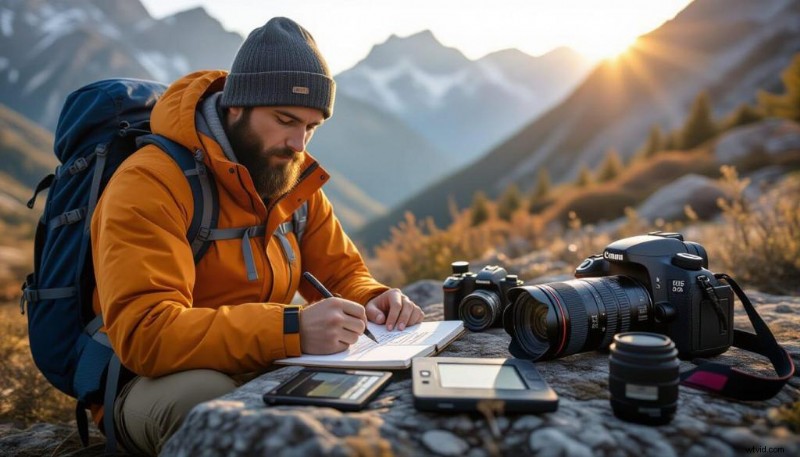
While you don’t need a full film‑school storyboard, a shot list ensures you capture all necessary footage for a smooth edit. Mix shot types to build rhythm and texture:
- Establishing Shots – Wide frames that set location and mood.
- Detail Shots – Close‑ups of signs, textures, food, or hands at work.
- Micro‑Scenes – Brief human moments: a vendor serving food, a child playing.
- B‑Roll – Movement and filler that smooth transitions.
- POV Shots – First‑person footage for immersive experience.
📌 Example
Venice: gondolas at sunrise (establishing), ripples on canal water (detail), a hand exchanging coins for gelato (micro‑scene), and walking narrow alleys with a gimbal (POV).
👉 Want more on dynamic POV work? Check out solo long‑take filming techniques.
Common Mistakes to Avoid
- Filming everything with no plan—editing becomes chaotic.
- Missing transitions that link scenes.
- Only capturing landscapes—scenery alone rarely tells a story.
With a simple plan, your raw material naturally forms a narrative instead of a slideshow.
Gear That Makes Travel Filmmaking Effortless
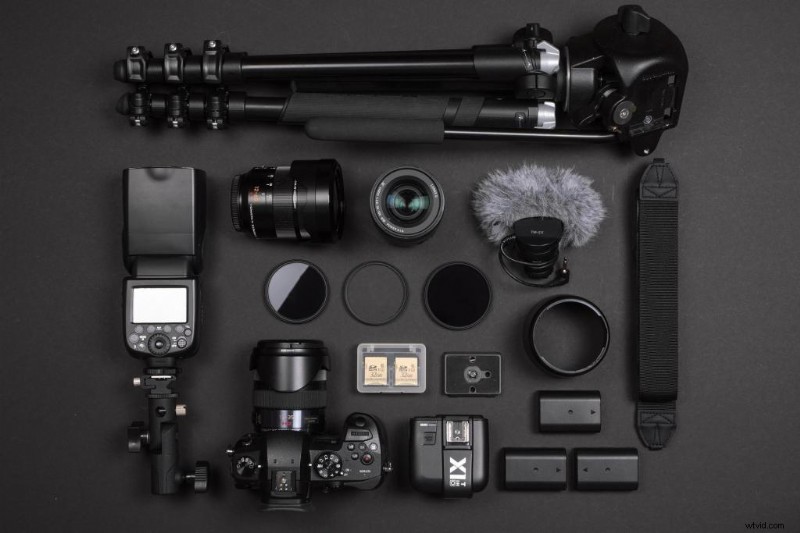
High‑quality storytelling doesn’t require a cinema rig. What matters most is portability, versatility, and lenses that cover wide landscapes and intimate details.
Camera Recommendations
- Budget & Backpacking Filmmaking Gear
Smartphones like the iPhone 15 Pro deliver 4K HDR video with excellent stabilization—ideal for Patagonia hikes or Marrakech markets. The DJI Pocket 3 is perfect for handheld vlogging while biking through Amsterdam or wandering Tokyo’s Shinjuku. The Blackmagic Pocket 6K offers professional color science in a compact body—great for urban storytelling in Lisbon.
👉 See recommended options - Mid‑range / Best Travel Cameras for Filmmaking
The Sony A7 IV paired with a 24–70mm lens balances low‑light performance with versatility—ideal for golden‑hour shots in Santorini. Panasonic GH6 excels in slow motion and long recording sessions—useful for filming traditional dance in Bali. The Canon R6 handles fast autofocus, perfect for wildlife in Costa Rica.
👉 Explore top picks - Pro‑level / Cinematic Options
For documentaries or festival‑ready projects, cameras like the RED Komodo or ARRI Alexa Mini deliver cinema‑grade storytelling. Though heavier, they shine when filming long‑form travel narratives—such as desert landscapes in Jordan’s Wadi Rum.
👉 View professional cameras
💡 Quick Tip: Pack a fast prime lens (f/1.8–f/2.8) for low‑light shots—night markets in Seoul or candlelit dinners in Rome. A small tripod or mini gimbal smooths footage when trekking trails in Nepal. And don’t skimp on batteries and SD cards—missing a sunrise in Cappadocia due to a dead battery is the worst feeling.
Audio Essentials
Sound is what makes viewers feel present. Even stunning visuals fall flat without quality audio.
- Shotgun mics – Capture street sounds in Istanbul’s Grand Bazaar or narration over Machu Picchu.
- Lavalier mics – Clip onto your shirt for interviews or guided tours, like chatting with a chef in a Paris café.
- Field recorders – Record ambient sound: ocean waves in Hawaii, gondoliers calling in Venice, or cicadas buzzing in Thailand.
These sound layers—footsteps on cobblestones, temple bells, passing trains—make your travel films feel alive, not just pretty.
Common Mistakes to Avoid
- Overpacking gear – Lugging five lenses through Cairo’s streets is impractical. Choose one all‑purpose zoom and one fast prime.
- Ignoring sound – Relying only on camera mics misses the richness of ambient recordings in Mexico City or the Amazon.
- Forgetting backups – No extra SD cards or batteries? That sunrise in Iceland or lantern festival in Chiang Mai won’t wait.
- Chasing “perfect” gear – Storytelling matters more than specs. A smartphone in the right hands beats a RED in the wrong ones.
✅ Quick Travel Filmmaking Gear Checklist
- 📷 Camera body (lightweight + reliable)
- 🎥 All‑purpose zoom lens (24–70mm or equivalent)
- 🔍 Fast prime lens (f/1.8 or faster)
- 🪄 Compact tripod or gimbal
- 🎤 External mic (shotgun + lav if possible)
- 🎧 Portable audio recorder (for ambient sound)
- 🔋 Extra batteries (at least 2–3 spares)
- 💾 Extra SD cards / SSD backup drive
- 🎒 Lightweight, padded camera bag
Techniques That Transform Ordinary Footage
Motion Makes Scenes Cinematic
- Tracking Shots: Follow subjects walking, cycling, or rowing with a gimbal or handheld rig.
Example: Cycling through Amsterdam’s canals, keeping pace beside the rider. - Pan & Tilt: Slowly reveal a scene to build anticipation.
Example: Tilt up from the desert floor to the towering red cliffs of Monument Valley. - Time‑lapse & Hyperlapse: Compress long transitions like sunrises, crowds, or travel sequences.
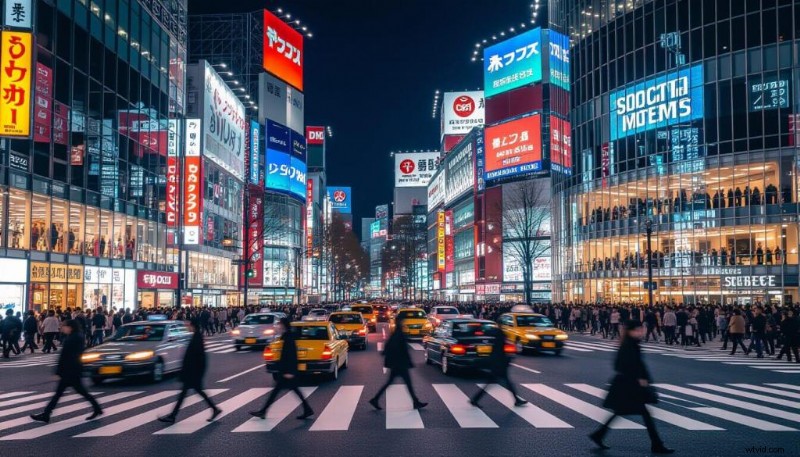
Example: Hyperlapse through Shibuya Crossing in Tokyo conveys the city’s energy instantly.
Creative B‑Roll Captures Story Details
- Textures, reflections, and shadows.
Example: Ripples reflecting gondolas on Venice’s canals. - Objects in motion: train doors, leaves, street signs.
Example: Doors closing on a Paris Metro train. - Macro close‑ups for micro‑scenes, gestures, or food preparation.
Example: Street vendor sprinkling spices on tacos in Mexico City.
Nightlife and Low‑Light Filming
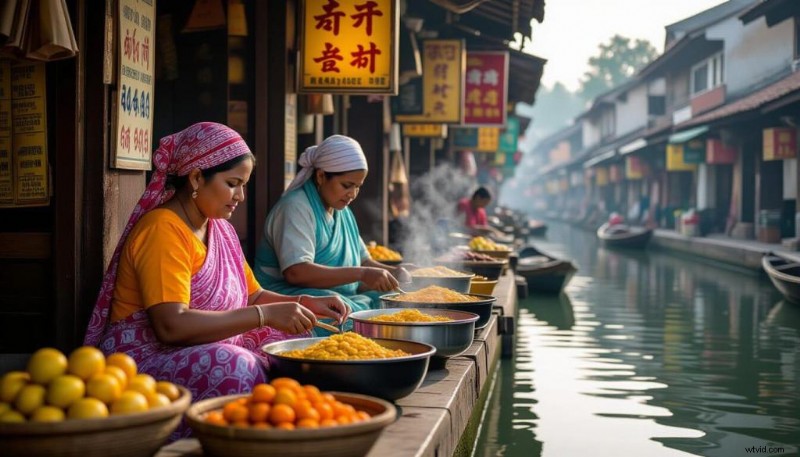
- Open aperture (f/1.8–f/2.8) and increase ISO, balancing noise carefully.
- Use portable LED lights for subjects.
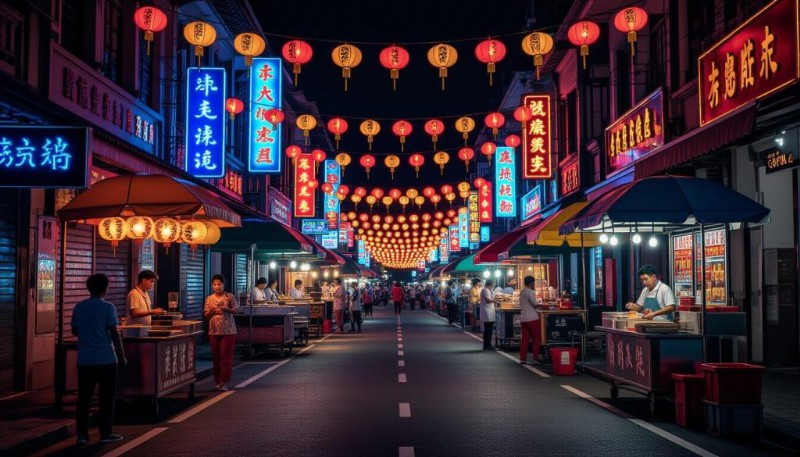
- Capture neon reflections, candlelight, or street lamps for atmosphere.
Example: Neon‑lit alleys of Hong Kong at night. - Shoot slow‑motion to add texture to dynamic night scenes.
Example: Fire dancers on a beach in Thailand.
Transit & Journey Footage
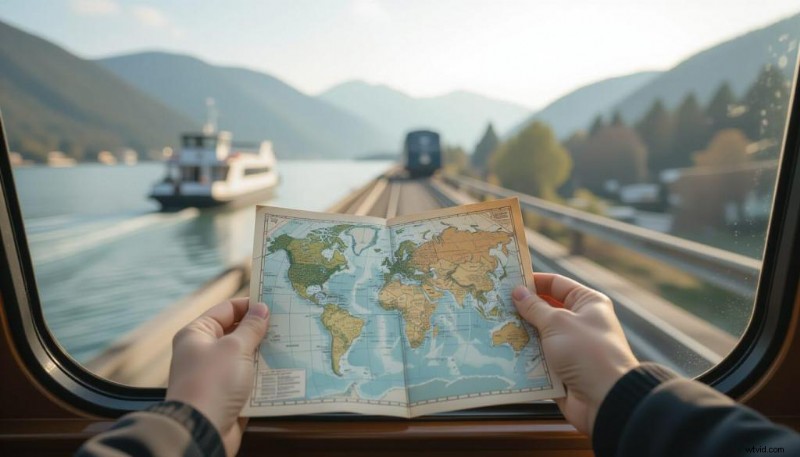
- POV shots from buses, trains, or ferries for immersive journeys.
Example: Ferry ride past the Statue of Liberty in New York. - Include motion blur to convey speed.
Example: Train rushing through snowy landscapes in Switzerland. - Hands, maps, and tickets add narrative context.
Example: Holding a stamped passport crossing a border in Eastern Europe.
POV Storytelling
- Use chest mounts, shoulder rigs, or backpack strap cameras.
Example: Hiking POV along Peru’s Inca Trail. - Combine POV footage with reactions for immersive storytelling.
Example: Rafting rapids in Costa Rica, cutting between POV and face shots. - Include personal narration for emotional depth.
Lighting and Color
- Golden hour = cinematic warmth.
Example: Sunrise over Cappadocia hot air balloons. - Overcast days = soft, even light.
Example: Exploring Edinburgh’s cobblestone streets under grey skies. - Use reflectors or phone flashlight for fill.
Filming People and Culture Respectfully
- Ask permission when possible.
- Focus on gestures, routines, and authentic expressions.
Example: A fisherman mending nets on the beaches of Kerala, India. - Capture micro‑interactions for genuine cultural storytelling.
Example: Street chess matches in New York’s parks. - Avoid stereotypes; authenticity resonates with audiences.
Editing Travel Films: Bring the Story to Life
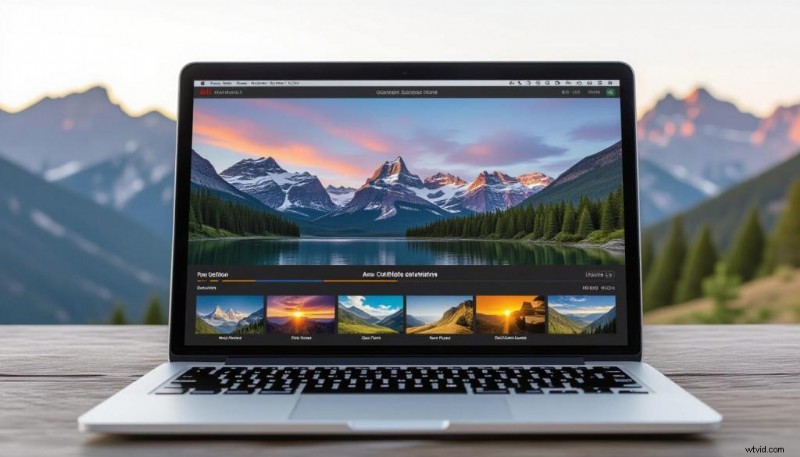
Editing is where raw footage becomes an engaging narrative. It’s not merely cutting pretty shots—it’s the heartbeat of your story.
Editing on a Phone or Laptop
Travel light and still produce cinematic results.
Apps & Tools:
- LumaFusion – Powerful mobile editor for iPhone or iPad.
- Adobe Premiere Rush – Cross‑device workflow, easy color grading.
- CapCut – Fast, beginner‑friendly editing with effects and transitions.
Practical Editing Tips:
- B‑Roll Clips: Keep them short (2–5 seconds) to maintain pace.
- Establishing Shots: Wide scenes like Santorini’s cliffs or Istanbul’s Grand Bazaar can be longer to set context.
- Color Grading: Use presets to create a cinematic feel—warm tones for sunsets, cooler for overcast mountain treks.
- Audio Layering: Combine ambient sounds (ocean waves in Bali), music, and narration to immerse viewers.
- Narrative Coherence: Always edit to tell a story, not just show visuals. Even a montage of Venice canals should have a beginning, middle, and end.
Storytelling Tips in Post
Editing emphasizes emotion, contrast, and pacing:
- Contrast & Conflict: Highlight tension or challenges—like hiking in a sudden rainstorm in Patagonia or navigating busy streets in Bangkok.
- Emotion over Scenery: Show how you or locals feel—smiles, awe, fatigue—rather than just filming landscapes.
- Pacing: Mix contemplative slow shots (sunrise in Cappadocia) with faster action (biking through Amsterdam).
- Audio Layering: Blend natural sounds, music, and voice‑over to bring scenes to life.
- Character‑Driven Moments: Include interactions with locals or personal reflections to deepen audience connection.
Travel Filmmaking Workflow
A consistent workflow saves time and improves quality:
- Pre‑Trip Prep: Plan your story, scout locations, choose gear, and create a shot list.
- On Location: Capture wide shots, details, micro‑scenes, and high‑quality audio.
- Daily Backup: Upload to the cloud or duplicate on multiple drives—don’t risk losing sunrise footage in Iceland.
- Rough Assembly: Organize clips in narrative order before fine editing.
- Final Edit: Adjust color, pacing, transitions, and audio. Ensure each scene moves the story forward.
- Distribution: Publish on YouTube, Instagram, or your travel blog. Use SEO‑friendly titles like “Backpacking Thailand: From Temples to Street Food”.
Common Editing Mistakes
- Overusing Transitions & Effects: Too many flashy effects distract from the story.
- Ignoring Audio: Bad sound undermines even the most beautiful footage.
- Long, Unbroken Clips: Lose viewer engagement; keep shots concise.
- Neglecting Storytelling: A collection of clips without narrative is just a slideshow.
- Skipping Color Correction: Inconsistent color makes your video look unpolished.
Example: Bringing It All Together
Imagine editing a 7‑day trip to Morocco:
- Day 1–2: Wide establishing shots of Marrakesh’s medina, layered with ambient market chatter.
- Day 3: Close‑ups of hands rolling couscous, micro‑scenes of spice vendors.
- Day 4: POV riding a camel in the Sahara, combined with reaction shots and narration.
- Day 5–7: Time‑lapse sunsets over the dunes, slow‑motion of dancing at a local festival.
By the end, your edit tells a coherent story: the journey, the people, the challenges, and the beauty of Morocco, not just a travel diary.
🎬 Travel Editing Workflow Checklist
- 📝 Pre‑Trip Prep: Story, locations, gear, shot list
- 📷 On‑Location Shooting: Wide shots, micro‑scenes, B‑roll, audio
- 💾 Daily Backup: Cloud storage or multiple drives
- ✂️ Rough Assembly: Sort clips in narrative order
- 🎨 Final Edit: Color grading, pacing, transitions, audio layering
- 🔊 Audio & Music: Blend ambient sound, narration, and music
- 🌍 Distribution: YouTube, Instagram, blog with SEO‑friendly titles
- ⚠️ Check for Storytelling: Ensure each scene moves the narrative forward

Creative Travel Video Ideas
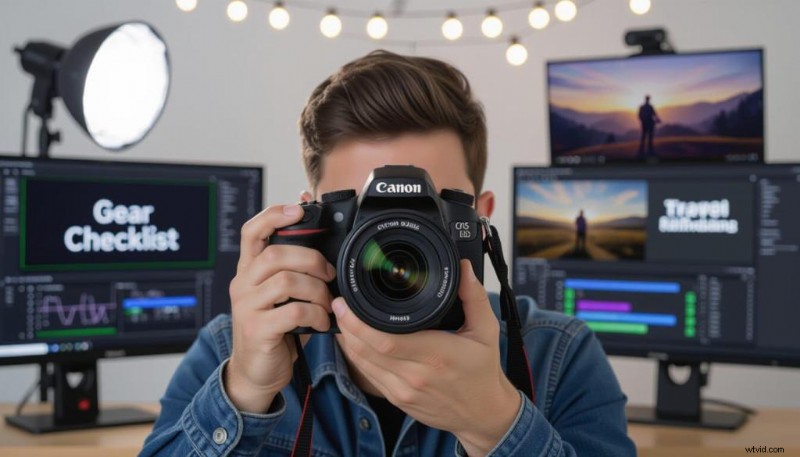
Travel footage is most compelling when it tells a story, not just shows scenery. Here are ideas to make your videos stand out:
- POV Adventures: Capture immersive experiences like hiking the Inca Trail in Peru, biking through Amsterdam’s canals, or kayaking along Norway’s fjords. First‑person perspectives make viewers feel part of the journey.
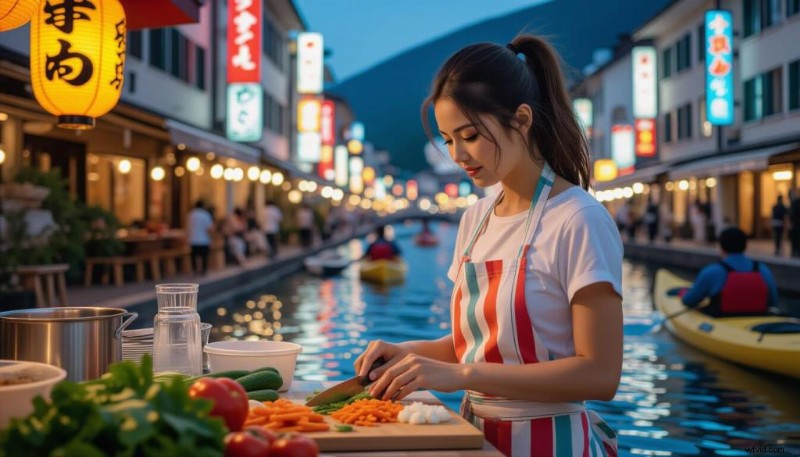
- Local Experiences: Film cooking classes in Tuscany, artisan workshops in Oaxaca, or bustling markets in Marrakech. Focus on hands, textures, and small interactions to bring the experience to life.
- Day‑in‑the‑Life Videos: Spend a day with a local family in Bali, a street vendor in Istanbul, or a fisherman in Kerala. Show routines, meals, and interactions to create a narrative arc.
- Seasonal Events: Document festivals like Rio’s Carnival, wildlife migrations in Kenya, or cherry blossom season in Japan. Capture the scale, emotion, and atmosphere.
- Transit‑Focused Stories: Highlight the journey itself—train rides through the Swiss Alps, flights over Iceland’s glaciers, or road trips along California’s Pacific Coast Highway. Include POV, motion blur, and subtle personal moments.
These ideas ensure your travel footage feels dynamic, personal, and story‑driven, rather than just a collection of pretty shots.
🎒 Travel Filmmaking Checklist
- 📝 Outline narrative & story arc
- 📷 Prepare shot list (establishing, detail, POV, micro‑scenes)
- 🎥 Pack versatile camera gear & lenses
- 🎤 Bring audio equipment
- ☀️ Scout lighting & plan golden hour shots
- 🔊 Capture ambient sounds
- 🚍 Film transit & journey moments
- 🤝 Record micro‑interactions & people respectfully
- 💾 Backup footage daily
- ✂️ Rough edit & review missing shots
- 🎨 Final edit with color grading, pacing, audio layers
- 🌍 Publish & share optimized for YouTube, Instagram, or blog
Conclusion: Story, Emotion, and Authenticity Matter Most
Creative travel filmmaking is about turning observation into storytelling. By planning your narrative, capturing diverse and cinematic shots, leveraging light and audio, and editing thoughtfully, you can produce videos that resonate long after the trip ends.
Focus on:
- Story: Build a clear beginning, middle, and end.
- Emotion: Show how you and others experience the journey.
- Authenticity: Capture real moments respectfully and avoid clichés.
Your travel videos don’t need the most expensive gear—they need intention, creativity, and a human touch.
For more resources:
- Travel Filmmaking Gear Guide for Beginners
- DIY Smartphone Lighting Kits
- Solo Long‑Take Filming Techniques
🎥 Travel Filmmaking Toolkit
📷 Gear
- 📸 Camera: Lightweight & versatile
- 🔍 Lenses: Zoom (24–70mm) + Fast prime (f/1.8–2.8)
- 🪄 Tripod or gimbal
- 🎤 Audio: Shotgun, lavalier, recorder
- 🔋 Extra batteries & SD cards / SSD
- 🎒 Padded camera bag
✂️ Editing Workflow
- 📝 Pre‑trip prep: Story, locations, gear, shot list
- 📷 Shooting: Wide, micro‑scenes, B‑roll, audio
- 💾 Daily backup to cloud or drives
- 📌 Rough assembly: Organize clips
- 🎨 Final edit: Color, pacing, transitions, audio
- 🌍 Publish: SEO‑friendly YouTube, Instagram, blog
🎒 Travel Checklist
- 📝 Outline narrative & story arc
- 📷 Shot list: Establishing, detail, POV, micro‑scenes
- 🎤 Bring audio equipment
- ☀️ Plan lighting & golden hour shots
- 🔊 Capture ambient sounds
- 🚍 Film transit & journey moments
- 🤝 Record micro‑interactions respectfully
- 💾 Backup footage daily
- ✂️ Rough edit: Review missing shots
- 🎨 Final edit: color, pacing, audio layers
- 🌍 Publish & share optimized