
Reading Time: 11 minutes
Published: February 5, 2024 | Last Updated: February 23, 2026

Overview
Definition: A subplot is a secondary storyline that runs alongside the main plot. It has its own conflict, turns, and payoff, and it changes how you read the main story.
What you’ve seen before: You have seen this in novels and films where a side relationship, family problem, or investigation keeps returning between the main story beats. Each return adds pressure, gives new information, or changes what a character does next.
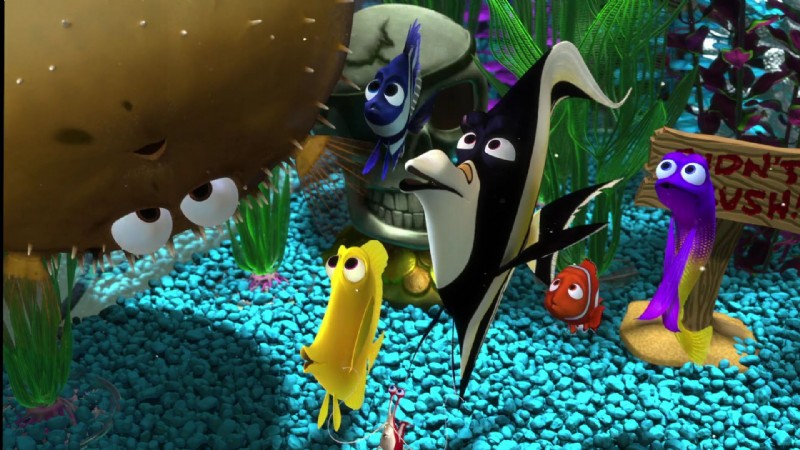 In Finding Nemo (2003), Nemo meets Gill and the tank gang in the dentist’s aquarium while Bloat inflates during the introduction. This scene helps set up the tank-escape subplot, because it gives Nemo his own space, allies, obstacles, and goals while Marlin’s search continues in the main plot. Image Credit: Pixar Animation Studios
Example: In Pride and Prejudice, Charlotte Lucas’s marriage to Mr. Collins works as a clear subplot thread. It does not replace Elizabeth’s main path, but it changes how Elizabeth judges marriage, security, and compromise. In film, a similar pattern appears in Finding Nemo (2003, Pixar Animation Studios), where Nemo’s tank-escape thread runs beside Marlin’s search.
Why it matters: A good subplot keeps a story from feeling flat or single-track. It gives the writer another lane for pressure, contrast, and payoff. It also helps you analyze story structure, because you can track how side threads support, delay, or complicate the main line.
- Key takeaway 1: A subplot is a real story thread, not just a side detail.
- Key takeaway 2: You recognize a subplot by repeated scenes, cause-and-effect, and some form of resolution.
- Key takeaway 3: In film, the strongest subplots change what the camera can show in the main plot because they create new stakes, choices, or consequences.
The next section places subplot inside a larger craft framework so you can use the same definition in literature, screenplays, and film analysis.
What Subplot Means in Writing, Screenplays, and Film
Subplot keeps the same core meaning across media, but the evidence looks different on the page and on the screen. You need the same logic in all three forms, then you test it with the tools of that form.
A subplot is a structural story unit that runs beside the main plot and interacts with it through timing, conflict, and payoff. Its job is not only to add more events. Its job is to carry a specific kind of pressure that the main line alone cannot carry as efficiently.
In literature, you usually prove a subplot by tracking chapter-level return, character goals, and causal links. In a screenplay, you prove it through repeatable, filmable beats in scenes, action lines, dialogue, and scene order. In a film, you prove it with what you can actually see and hear on screen, such as performance, camera position, composition, edit rhythm, sound cues, and where the thread resolves.
When you analyze a possible subplot, the strongest evidence is a pattern: setup, development, turn, and payoff. A single line, symbol, or mood can support the analysis, but it does not prove a subplot by itself.
How a Subplot Works in Writing and Literature
Most readers search for subplot because they want the basic literary meaning first. This section gives you the core definition in writing terms, then shows how to recognize and use it accurately.
What a subplot is
A subplot is a secondary narrative line inside a larger story. It usually follows a supporting character, a side relationship, a parallel conflict, or a separate goal that still matters to the whole work.
The key point is story movement. A subplot has progression. It begins, develops, and reaches some kind of outcome. A recurring detail or a single side scene does not automatically count.
How a subplot works
A subplot works by adding a second stream of cause-and-effect. When the writer cuts away from the main line, the side thread can add new information, delay the main payoff, raise stakes, or test the same idea from another angle.
Strong subplots also create intersections. A side thread changes a character’s decision in the main plot, or it changes what the reader knows before the main character knows it.
Read more on the roles of subplots in film.
How to recognize a subplot
You can test a suspected subplot with simple questions.
- Does it return? You should see more than one scene, chapter, or beat.
- Does it have its own conflict? Someone wants something, faces obstacles, and reacts.
- Does it affect the whole story? The thread should change stakes, story pace, character choices, or meaning.
- Does it resolve or transform? A subplot usually ends, pays off, or folds back into the main plot.
Why writers use subplots
Writers use subplots because a single plot line can carry only so much pressure before it becomes repetitive. A second line lets you vary the kind of conflict and the pace of information.
- Character depth: A subplot can reveal values through a different relationship or duty.
- Contrast: A side thread can show a different outcome for a similar choice.
- Pacing: A switch to a subplot can delay a major reveal and build anticipation.
- World context: A subplot can show social, family, or political pressure around the main action.
- Payoff support: A side thread can set up a later decision so the ending feels earned.
Common mistakes and misreadings
Readers and writers often over-label side material as subplot. That creates confusion in analysis and weak structure in drafting.
- Calling a theme a subplot: Theme is an idea the story tests. A subplot is a line of events.
- Calling a character arc a subplot: A character arc is inner change. A subplot is an external thread of scenes and conflict. The two can overlap.
- Calling backstory a subplot: Backstory explains the past. A subplot develops in the present action of the story.
- Calling a recurring joke a subplot: A running bit can repeat without conflict or payoff.
- Using disconnected side threads: If a side story does not affect the whole work, it often feels pasted on.
Key distinctions from similar terms
These terms overlap in real analysis, so you need clear boundaries.
- Main plot vs. subplot: The main plot carries the primary story question. A subplot supports, complicates, or contrasts that line.
- B-story vs. subplot: In screenwriting talk, a B-story is often the most important subplot. Not every subplot is the B-story.
- Parallel plot vs. subplot: A parallel plot can carry equal weight in some books or films. A subplot usually carries less structural weight than the main line.
- Subtext vs. subplot: Subtext is implied meaning in dialogue or behavior. A subplot is visible story action.
Concrete Examples of Subplots in Literature and Writing
For subplot, a quote helps you locate a thread, but the proof comes from repeated scenes around that line. The examples below use short quoted lines as anchors, then explain the larger thread and how it works.
Poetry usually gives you fewer clean subplot examples because many lyric poems do not run multiple story lines. Novels and plays give clearer evidence.
Pride and Prejudice (Jane Austen): Charlotte and Mr. Collins as a social mirror subplot
This line marks the logic of Charlotte’s marriage thread. The subplot does more than show side gossip. It gives Elizabeth a living example of marriage as security, not love.
The effect comes from contrast and return. Austen lets this thread re-enter Elizabeth’s story at key points, so Charlotte’s choice keeps pressure on Elizabeth’s standards and judgment.
King Lear (William Shakespeare): Gloucester’s family subplot as a structural mirror
The Gloucester-Edgar-Edmund line is one of the clearest textbook subplots in drama. It runs beside Lear’s line and repeats related conflicts about blindness, trust, and parental error.
The effect comes from parallel design. Shakespeare gives the audience a second family crisis that echoes the main plot, so the same ideas arrive through different actions and consequences.
A Midsummer Night’s Dream (William Shakespeare): the mechanicals as a comic subplot thread
The mechanicals do not carry the main lovers’ conflict, but their scenes form a clear subplot with its own comic problems, rehearsals, interruptions, and payoff performance.
The effect comes from scene switching and tonal contrast. Shakespeare cuts between lovers, fairies, and players, so the mechanicals thread resets pace and adds comic relief while still feeding the play’s larger concerns with performance and mistaken perception.
How to Use a Subplot in a Screenplay
When you write a subplot in a screenplay, your job is not only to invent a side idea. Your job is to build a side thread the camera can track and the editor can cut back to at the right time.
Give the subplot one clear job
Start by naming the main job of the subplot. A single thread can do more than one thing, but you should know the primary function before you draft scenes.
- Raise stakes: Add personal cost to the main conflict.
- Mirror the theme: Test the same value question through a different character.
- Deliver pressure: Add deadlines, secrets, or obligations that collide with the main plot.
- Create payoff setup: Plant actions or relationships that matter later.
Write beats the camera can prove
A screenplay cannot rely on abstract labels like “their friendship deepens” or “his guilt grows” unless the scene shows proof. Build the subplot through visible action, audible behavior, and trackable consequences.
Weak drafting note: “A subplot develops between Maya and her sister.”
Filmable version: Maya ignores three calls from her sister across earlier scenes. During a police interview, the same ringtone goes off again. Maya silences it, then lies about where she was last night. Later, she listens to the voicemail and hears the family emergency she missed.
The second version gives you repeatable evidence. The ringtone, the missed calls, the lie, and the voicemail each move the thread forward on screen.
Tie the subplot to scene pressure
A subplot feels useful when it changes what happens in a scene, not only what a character says later. Let the side thread interrupt plans, split attention, or force trade-offs.
- Timing collision: The subplot demand arrives during a main-plot objective.
- Resource collision: Money, time, transport, or trust gets redirected.
- Relationship collision: A side conflict changes who helps the protagonist.
- Information collision: The subplot reveals facts that alter a main decision.
Track setup, development, turn, and payoff
Most weak subplots fail because they start and then disappear. Give the thread a simple progression line before you write pages.
- Setup: Introduce the side goal or problem.
- Development: Return to it with new complications.
- Turn: Let the thread change direction under pressure.
- Payoff: Resolve it, or fold it into the main climax in a visible way.
Keep production-facing clarity
FilmDaft readers often write with production in mind, so clarity matters. If your subplot depends on details the crew cannot stage or record clearly, the thread can disappear in production and post.
Use clear action lines, concrete props, and distinct scene objectives. If sound carries the thread, write the sound cue and repeat it consistently. If the subplot relies on a visual detail, place that detail in the action line where the camera department can plan for it.
How to Analyze a Subplot in a Film Scene
You can analyze a subplot with a repeatable method. The goal is to move from screen evidence to story function without skipping steps.
A repeatable evidence-first method
- State the main plot pressure in the scene. Name what the primary story line is trying to do right now.
- Identify the subplot thread present in the scene. Name the side conflict or relationship thread in plain terms.
- Describe what we see and hear. Use specific details from performance, composition, dialogue, sound, and cut pattern.
- Explain the function. Show how the subplot changes stakes, story pace, information, or character decisions in that scene.
- Track the connection forward. Point to the later payoff, consequence, or escalation.
Questions that keep the analysis precise
Use these questions when you write scene analysis for class, essays, or your own craft study.
- What is the subplot owner trying to get in this scene?
- What blocks that goal?
- What visible or audible detail proves the thread is active?
- How does this thread change the main plot beat?
- Does the scene set up, develop, turn, or pay off the subplot?
Film Examples of Subplots (Scene-Level)
The examples below use a consistent format so you can reuse the method. Each example starts with screen evidence, then moves to function, then explains how the film creates the effect.
The Dark Knight (2008, Warner Bros. Pictures): Bruce, Rachel, and Harvey as an emotional stakes subplot
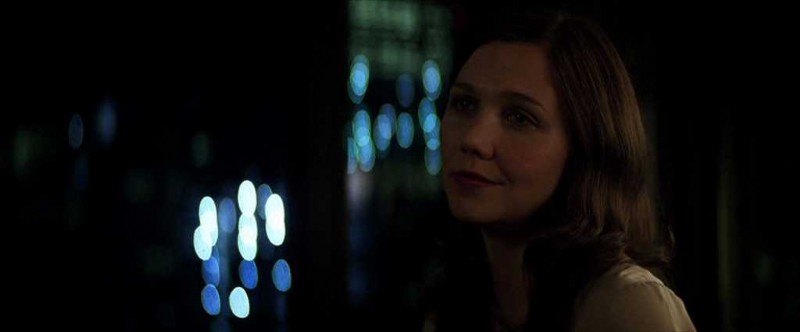 In The Dark Knight (2008), Bruce Wayne’s bond with Rachel Dawes raises the cost of the Joker conflict. Image Credit: Warner Bros. Pictures
What we see/hear: In the Harvey-Rachel-Bruce thread, conversations about Rachel’s future keep returning between major crime-plot beats. Later, the Joker’s trap sequence turns that relationship thread into immediate life-or-death stakes.
What the device is doing: This subplot converts the Batman-Joker conflict from a public mission into a personal crisis. It also helps explain Harvey Dent’s later break, because Rachel’s loss is not random background information.
How the film creates the effect: The film uses repeated conversations, crosscut edits, deadline pressure, and delayed emotional payoff. The editing links the emotional thread to the action thread, so the audience feels the cost in the same rhythm as the rescue sequence.
The Godfather (1972, Paramount Pictures): Connie and Carlo’s marriage conflict as a trigger subplot
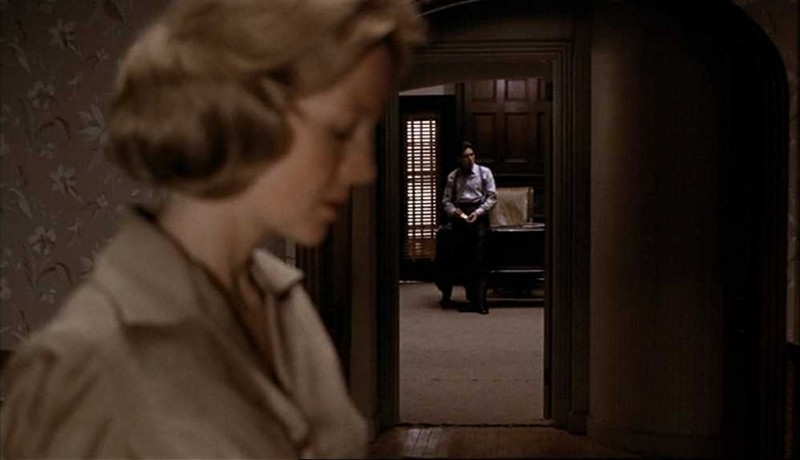 In The Godfather (1972), family-side conflicts do more than add background. They can trigger decisions in the main crime war plot. Image Credit: Paramount Pictures
What we see/hear: The Connie-Carlo marriage thread returns through domestic conflict and abuse. When Connie calls home after Carlo beats her, Sonny leaves in rage and drives into an ambush.
What the device is doing: This subplot acts as a trigger thread. It turns a family conflict into a strategic vulnerability in the main mob war story.
How the film creates the effect: The film builds the thread through repeated family scenes, performance, and timing. The cut from domestic violence to Sonny’s reaction and then to the road attack gives the subplot a direct causal link to the main plot escalation.
Finding Nemo (2003, Pixar Animation Studios): Nemo’s tank-escape thread as a parallel rescue subplot
What we see/hear: While Marlin travels across the ocean to find Nemo, the film keeps returning to Nemo in the dentist’s tank. Nemo meets the tank gang, learns the escape plan, and slowly gains confidence.
What the device is doing: This subplot prevents the story from becoming a one-lane search movie. It gives Nemo agency and creates a second rescue line that mirrors Marlin’s growth in a different space.
How the film creates the effect: The film uses alternating scene blocks, repeated escape attempts, and escalating obstacles inside the tank. The editor can cut between Marlin’s external journey and Nemo’s confined problem, which keeps pace and stakes active on both sides.
The Hunger Games (2012, Lionsgate Films): the public romance thread as a survival-and-image subplot
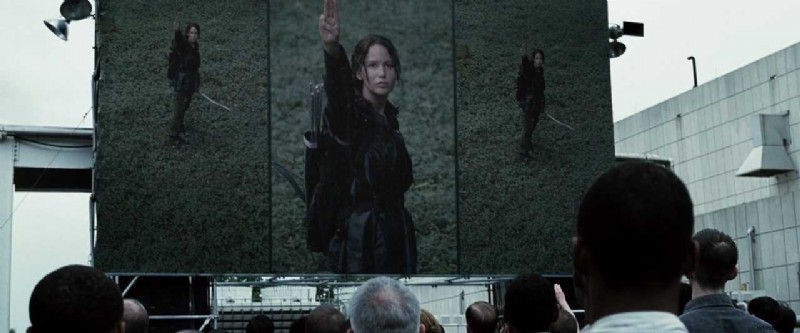 In The Hunger Games (2012), the public romance thread changes survival tactics and public perception inside the arena story. Image Credit: Lionsgate Films
What we see/hear: The film returns to Katniss and Peeta as a televised pair through interviews, sponsor logic, and arena scenes that reward a convincing public bond.
What the device is doing: This subplot adds a second conflict layer inside the survival plot. Katniss must manage what she feels, what she performs, and what the audience in Panem believes.
How the film creates the effect: The film uses broadcast framing, reaction shots, commentary, and rule announcements to connect private moments to public consequences. That design lets the subplot alter strategy, not just emotion.
Related Terms and FilmDaft Internal Links
Subplot overlaps with many story terms, so this section helps you move to the right article without repeating the same definition. Use the links below when you need a deeper breakdown of the neighboring concept.
- plot in a movie: Use this if you need the core main plot definition before you classify side threads.
- narrative in film: Use this for the larger story system that includes plot order, point of view, and structure.
- character arc: Use this when your question is about inner change, not a separate line of events.
- types of conflict in film: Use this to define the pressure inside a subplot once you identify the thread.
- theme in film: Use this if you need help separating a story idea from a story thread.
- subtext in film: Use this if the hidden meaning is in dialogue or behavior rather than in a separate sequence of events.
- foil character: A foil can appear inside a subplot, but a foil is a character function, not a full side storyline.
- deuteragonist: A deuteragonist often carries a major subplot, but the role and the subplot are not the same thing.
- roles of subplots in film: Use this after the current article if you want a focused list of subplot functions and story jobs.
Summing Up
A subplot is a secondary story thread with its own conflict and progression. You recognize it through return, cause-and-effect, and payoff, not through a single side detail.
When you write, a good subplot gives you another lane for stakes, contrast, and setup. When you analyze a film, a good subplot becomes clear when you describe what the scene shows and explain how that side thread changes the main plot pressure.
Read Next: Struggling to shape your story?
Head to our Plot & Structure section for clear, no-fluff breakdowns of story arcs, turning points, and screenplay structure—from three-act to alternative models.
Want more tools to write with confidence? Explore the Screenwriting archive for guides on dialogue, formatting, concept development, and building a writing routine.
Sources and Suggested Further Reading
This article uses short literary quotations as evidence markers for subplot threads. The quotations are quoted exactly from the listed editions.
Film note: The film scene examples in this article are based on direct viewing and scene-level analysis.
- Austen, Jane. Pride and Prejudice. Project Gutenberg edition (used for the Charlotte Lucas quotation).
- Shakespeare, William. King Lear, Act 4, Scene 1. Folger Shakespeare Library edition (used for the Gloucester quotation).
- Shakespeare, William. A Midsummer Night’s Dream, Act 3, Scene 1. Folger Shakespeare Library edition (used for the Bottom quotation).
- Film examples discussed from direct viewing: The Dark Knight (2008), The Godfather (1972), Finding Nemo (2003), and The Hunger Games (2012).