

Flash photography once felt intimidating, but understanding its mechanics turns it into a creative ally. In this guide, we’ll break down the fundamentals that can transform your shots.
What you’ll learn:
- The science behind flash illumination
- On‑camera vs. off‑camera flash and their creative potentials
- Using shutter drag and sync modes to capture motion
Understanding Flash Basics
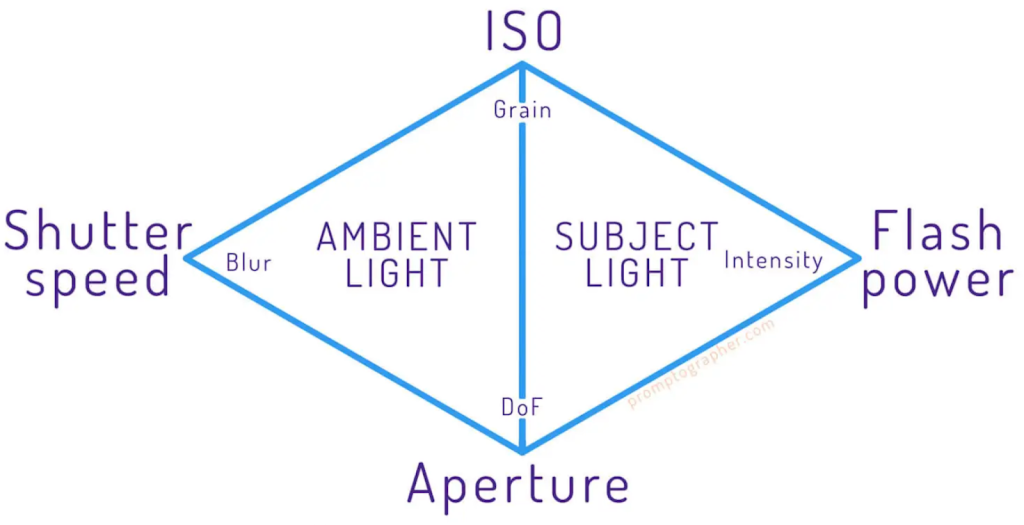
Flash lighting works on a simple principle: the flash lights the subject, while ambient light illuminates the background. Your camera is effectively taking two exposures in one frame:
- Ambient exposure – sets background brightness.
- Flash exposure – controls subject illumination.
Because these exposures are governed by different settings, the exposure triangle splits into two linked triangles. See the diagram below for a visual reference.
How Settings Shape the Image
- Shutter speed – governs background brightness: slow = bright, fast = dark.
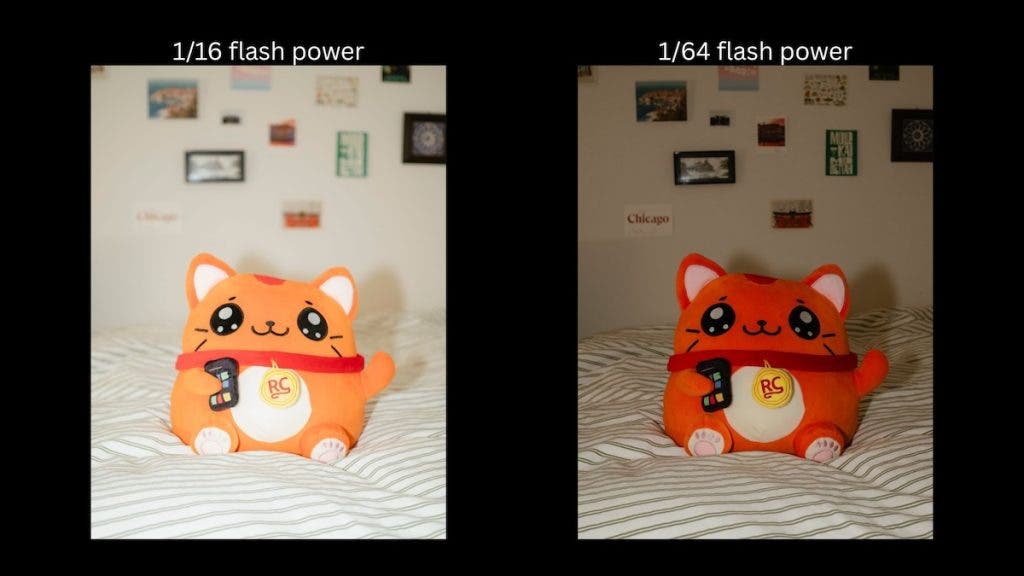
- Flash power – determines subject brightness: more power = brighter subject.
- ISO & aperture – affect both exposures: higher ISO or wider aperture lightens everything.
Grasping this framework makes flash feel logical rather than chaotic.

TTL vs. Manual Flash
TTL (Through‑The‑Lens) mode is the flash’s “auto” setting: the camera emits a quick pre‑flash, measures the scene, and calculates the required output. Manual mode gives you direct control over power and timing.
- TTL – fast and convenient for spontaneous scenes.
- Manual – ideal for repeatable results and precise creative control.
For events or fast‑moving subjects, TTL works well. For portraits, product shots, or when you need consistency, mastering manual flash is essential.
On‑Camera vs. Off‑Camera Flash
Light direction dramatically alters a photograph’s mood. Learn how to harness both setups.
On‑Camera Flash
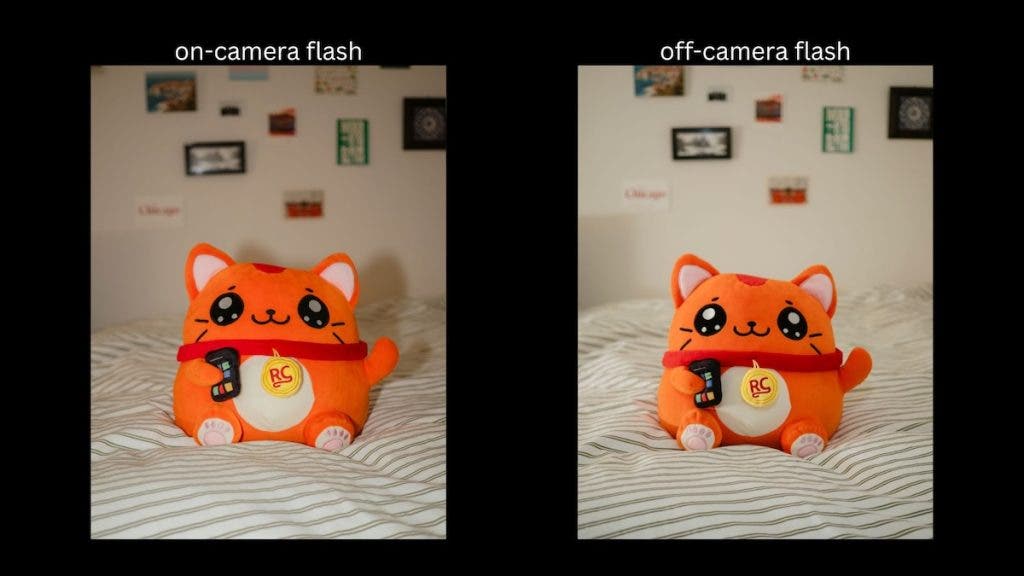
When the flash is mounted directly on the camera, it points straight ahead. While convenient, this configuration can produce harsh, flat lighting.
Two common techniques:
- Direct flash – sharp, high‑contrast illumination.
- Bounce flash – redirect the beam off a ceiling or wall for softer, more natural light.
Bouncing on a white ceiling effectively creates a built‑in softbox, making it a staple for indoor portrait work.
For reliable on‑camera flash, consider the Flashpoint X100 TTL R2 On‑Camera Li‑Ion Round‑Head Flash.
Off‑Camera Flash
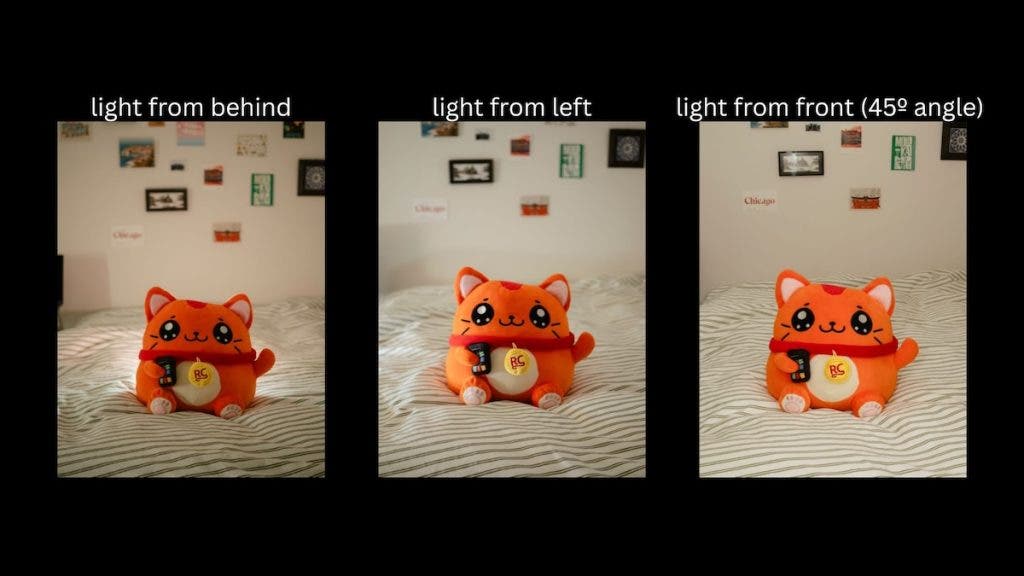
Positioning the flash away from the camera unlocks dramatic lighting possibilities. Choose the angle to sculpt the scene:
- Front light – crisp, evenly lit.
- 45° light – flattering, cinematic look.
- Side light – creates depth and contrast.
- Backlight – separates subject from background with a halo effect.
Off‑camera flash gives you intentional control, turning light into an expressive element rather than a reaction to the environment.
For a versatile off‑camera solution, the Flashpoint XPLOR 400 Pro II R2 TTL offers battery power, high output, and a range of accessories.
Creative Techniques: Shutter Drag and Sync Modes
With the basics mastered, you can explore dynamic lighting tricks. One popular method is the shutter drag.
What Is a Shutter Drag?
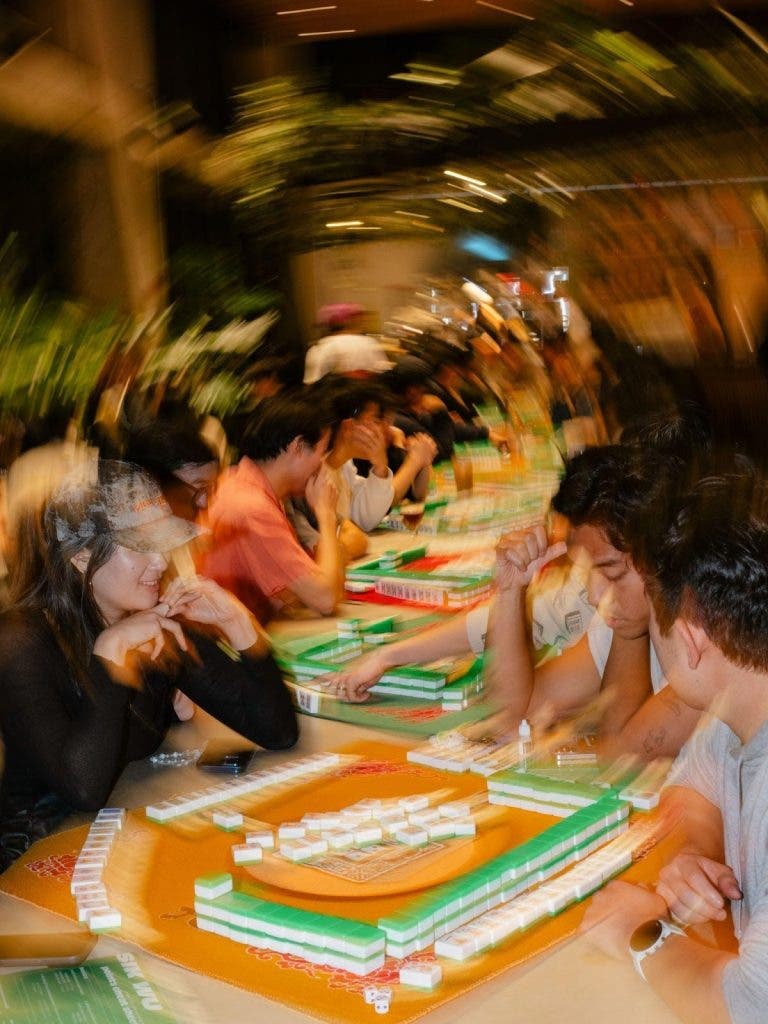
A shutter drag combines a slow shutter speed with flash. The slow shutter records ambient light and motion blur, while the flash freezes the subject, creating a lively, dreamlike image.
Front vs. Rear Curtain Sync
Sync timing changes the direction of motion blur:
- Front‑curtain sync – flash fires at the start; motion trails appear in front of the subject.
- Rear‑curtain sync – flash fires at the end; motion trails extend behind the subject, often yielding a more natural aesthetic.
How to Execute a Shutter Drag
Begin with these settings:
- ISO 200
- f/4
- Shutter speed 1/5–1/10 s
- Flash set to rear‑curtain sync
Have your subject move or slightly shift the camera. The flash will capture the decisive moment, while the slow shutter imparts motion.
Expect a bit of unpredictability—that’s part of the fun.

Final Thoughts
Flash photography is more approachable than it appears. By separating ambient and flash exposures and mastering basic settings, you gain confidence and creative freedom. Dive in, experiment, and let light tell your story.

Sarah Teng
Sarah Teng is an award‑winning photographer based in New York, renowned for travel, underwater exploration, and immersive storytelling. Her work captures breathtaking landscapes, marine life, and quiet moments in nature. She co‑founds Green Tile Social Club, an NYC‑based mahjong community that celebrates culture through shared experiences. Always chasing new adventures, Sarah connects people through stories, cultural exploration, and a love for discovery.