
Learn how to utilize specular reflections, why it is important you’re getting that particular effect, and how to enhance or reduce it.
Have you ever wondered why a silver umbrella works for some skin types, yet looks bad on others? The answer is an often-overlooked aspect of light — a quality known as specularity.
We usually think about a light in terms of its color, size relative to subject, softness, and brightness. However, there’s another quality of light that’s just as important, but more often used in 3D modeling than in live-action photography.
Specularity is the reflection of the actual light source, rather than its illumination. Think of a black matte ball. Lit from above, the top half will be light and the bottom half dark. If the black ball is shiny, like a billiard ball, there’ll also be a specular reflection of the light itself on the ball — a highlight inside the brightest part of the ball.
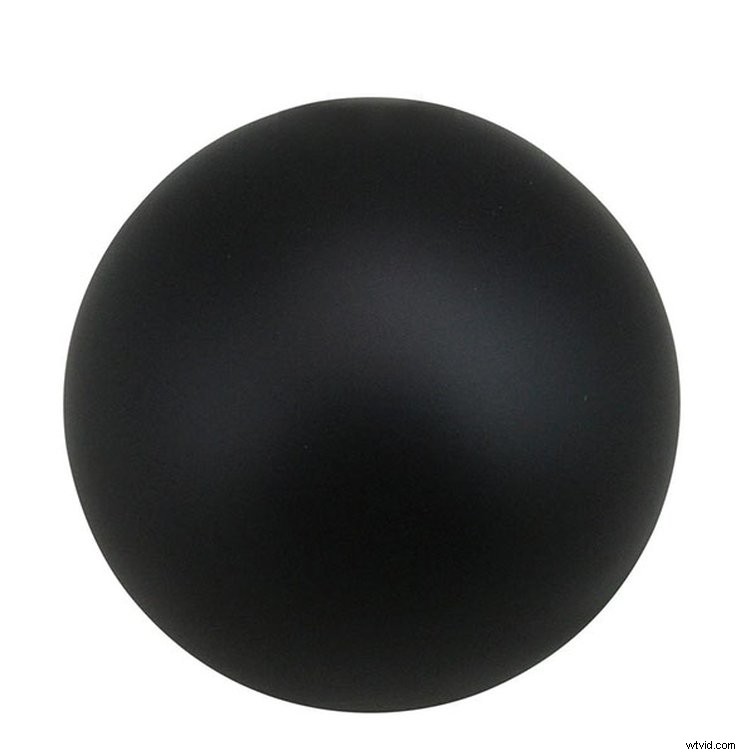
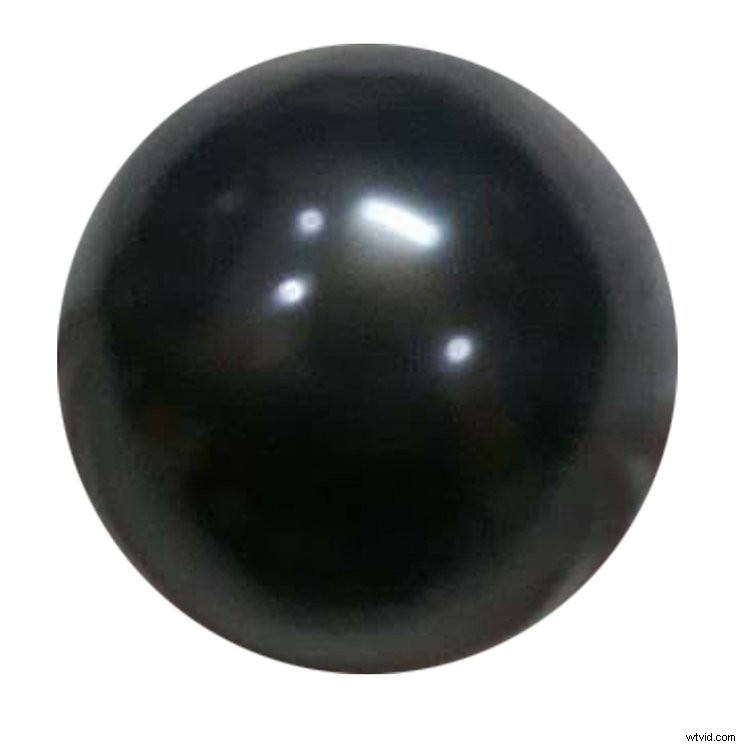
Now, think of a white ball instead of a black one. The matte finish looks the same — bright on top and dark beneath. The shiny version of the white ball is different than the black one because the specular reflection is hidden (or not as obvious) within the white highlight.
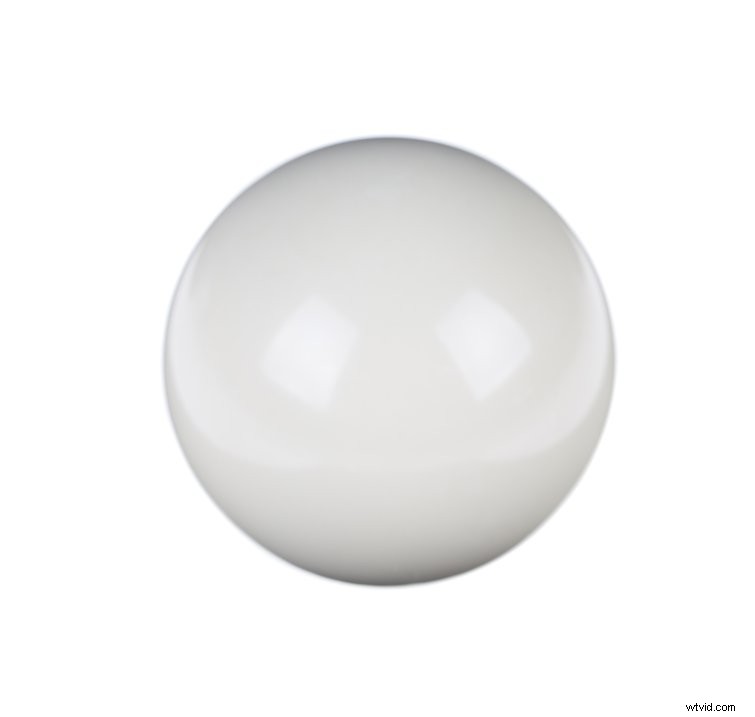
Specularity adds to the dimension of objects, making them stand out, appearing more three dimensional, which is one of the primary goals of film lighting. As cinematographers, we’re always struggling to create the illusion of depth on a flat screen, and specularity can go a long way with this.
How to Use Specularity
The amount of specularity of an object depends on two factors — how shiny it is and how dark it is. The black billiard ball, in the previous example, is optimal for specular reflections, because it’s very shiny and very dark.
It also helps if you use small lights with hard edges, as this’ll give a more pronounced reflection and more specularity.
Making Your Subjects “Pop”
Competitive bodybuilders know that specularity adds dimension, making their muscles look bigger and more pronounced. This is why, regardless of skin color, they apply copious amounts of fake tan (darker) and baby oil (more reflective) on their body.

Action movies often employ sweat, mud, oil, or blood in their scenes to add refection and darken actors’ bodies, making them seem more muscled and sexier.
White vs. Silver Umbrellas
Bouncing a light into a white umbrella makes it larger and softer. Bouncing the same light into a silver umbrella does the same thing, but with a twist. It makes the light larger by essentially creating lots of small, hard reflections of the light, adding multiple specular reflections on your subject’s skin. The darker and shinier the skin, the more pronounced the specularity will be.
When people say that skin has a “silvery” texture, they mean that each pore is giving off a specular reflection, which adds a shininess to the skin, making it look a little magical. The same result can be achieved with lots of small light sources, like an LED array.

Eliminating Unwanted Specularity
Shininess is great when you want it, but sometimes you’re looking to eliminate specular reflection, rather than enhance it. Bald heads outside are notorious for unwanted specular highlights. You can control the shine with makeup powder. Another way to eliminate this is to block out direct sunlight from above, and light from a side that won’t be reflected in the polished skull of your talent.
No matter how you use specular reflections in your work, its important to understand what you’re dealing with and how to use it effectively.
Top image via Beauty Stock.