
We’re in the golden age of documentary filmmaking, and these films have now become as cinematically entertaining as their narrative counterparts.
Documentaries have never been as accessible, diverse, and well-respected as they are right now. Before this golden era, documentaries were mostly just considered a dull method of filmmaking — a pill you were almost forced (or advised) to swallow. This method of filmmaking was typically regarded as a nearly surgical, methodical means to inform or educate an audience.
More Accessibility
Arguably, Netflix changed the way we consume video content. Many would also argue that Netflix is one, if not the, primary reason for this current spike and increased interest in documentary filmmaking. Before Netflix, documentaries were much more difficult to find. If you wanted to watch Super Size Me, you had to search your local video rental store and hope they had a copy. At the time, there were very few documentaries considered mainstream.

Now, documentary films are at viewers’ fingertips everywhere.
More Supply, More Demand
Due to increased accessibility, audiences have discovered that they actually like documentaries and enjoy watching them.
The basic economics of supply and demand ring true for documentary filmmaking. This demand for quality, cinematic, entertaining documentary content is on the rise. As a result, much more documentary content is being created than ever before.
This increased production has even trickled down to branded content. We’re now seeing many companies and brands use documentary filmmaking to promote their products — since their audiences enjoy the genre.
Higher Quality
There’s no doubt that documentaries have improved over the years — in both storytelling and aesthetics.
Narrative and documentary filmmakers have borrowed from each other pretty steadily. For example, consider the narrative TV show The Office. This mockumentary-style show borrowed heavily from documentary-style filmmaking .
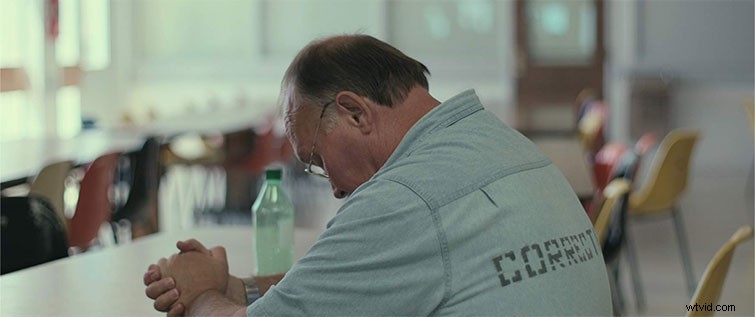
On the opposite end, the Netflix series The Innocent Man is one of the most narratively cinematic documentaries I have personally ever watched.
Much of this increased quality in documentary is due to advances in equipment. In the mid-’90s, documentary filmmakers would’ve been floored to know there would a pocket-sized camera that can shoot as well as traditional cinema cameras. As a result, documentaries are shot at a much higher quality than ever before.
The Future
One can only predict what the future holds for the documentary. However, as it becomes a much more lucrative, respected, and in-demand form of entertainment, one can only hope it sticks to its grassroots and artistic background.