
Choosing music for any project is a make or break transaction. Lets turn to independent documentary filmmaker Dan Perez for some tips.
When used efficiently, music can enhance a scene or even create an entirely new emotional dimension in a film or documentary. Music has the power to convey emotions that aren’t visible but can ultimately add that extra atmosphere.
Whether it’s a fast, harsh beat that elicits a tense feeling or a softer sound to accompany the passage of time during a long journey, the right music will convey the right mood to your audience.
When it comes to documentary filmmaking—a pursuit that requires powerful, emotional storytelling—the soundtrack should be equally powerful.
It’s a vital part of the process, as the right music can allow the audience to sympathize with the story. The right music enhances emotions and can complement the many colors and textures in a scene.
For some tips on selecting the right music, we turned to Dan Perez, an independent documentary filmmaker.
Stick with Your Instincts
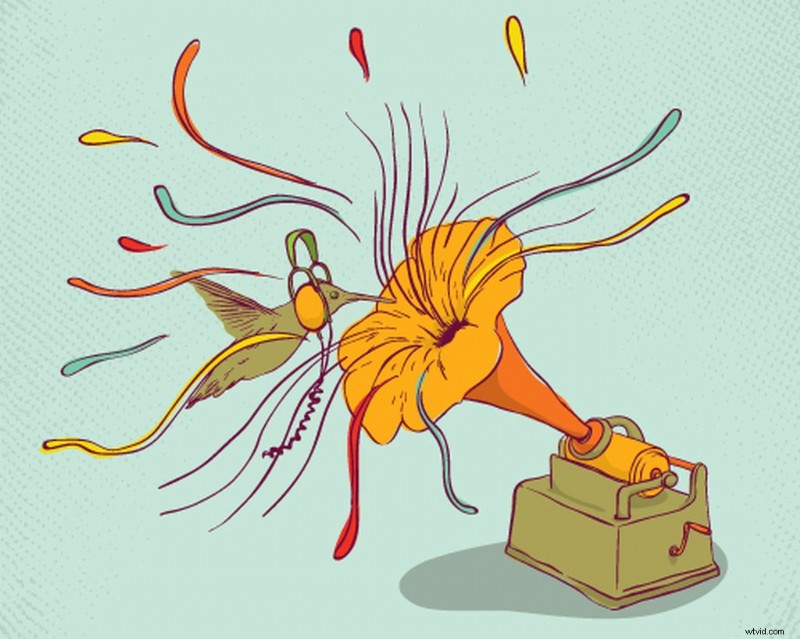
When Perez is shooting documentaries, he does everything himself, from setting up the camera to making final tweaks inside the editing room.
But, even with this amount of control, he prides himself on going with the flow. Going with the flow is especially important when it comes to selecting music—Perez says you must trust that the moments requiring music will reveal themselves during production.
When inspiration does spark, Perez makes a mental note to revisit that scene later and apply music to set the right mood.
Perez also edits in his mind as he goes along. He said he could see the edit already in his mind and knows where music to slow or speed things up.
When he senses that music is called for, it usually represents something more significant about the scene, setting, or surroundings. It’s one of many mechanisms he uses to alter the tone of a scene.
Don’t Fall Too Hard for a Track
Every amateur and veteran filmmaker can regale you with anecdotes about hearing a song and thinking it will fit perfectly into a project. Only, when they try to make it work, it just . . . didn’t.
Perez said that frustration is an unavoidable part of the business and that you must be willing to let go. Never try to force a fit that isn’t there.
To avoid this emotional pitfall, he suggests sampling songs before purchasing them, allowing you to play the music while watching your clip to ensure they line up together.
Only once you pair the scene and song will you know if it’s the right blend. The sooner you can make that connection, the better off you are.
The more listening you do, the better. You may have your favorites; however, broadening your horizons will make choosing the music a little easier.
Embrace Natural Sounds
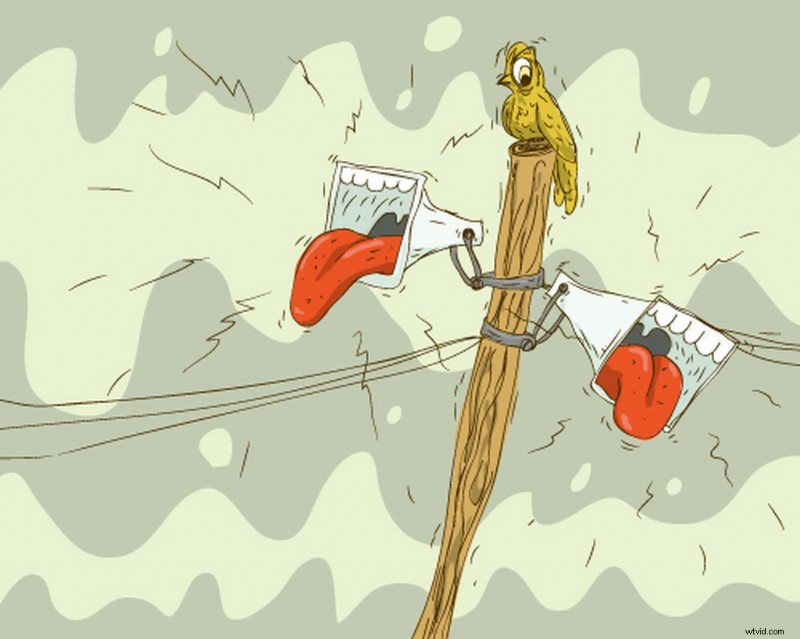
Although music can take things up a notch, it can also get in the way of the overall story. Sometimes raw, ambient noise is called for, and you won’t want to interfere with the natural state of a scene, Perez advised.
For instance, let the organic sounds play louder if you have a street shot, or a scene at a hospital or factory. If the viewer is familiar with a site and its resonant sounds, ensure they come through. Besides, a healthy mix of natural environments with musically-enhanced settings plays well together.
While keeping in mind the naturally occurring sounds, don’t underestimate the power of silence.
Fun fact: There’s actually a debate on whether silence can be regarded as music! Sometimes silence can be just as effective. It gives the documentary some breathing space but can also be a moment of reflection for the viewer.
Mood, Tone, and Atmosphere

First things first, let’s determine the difference between mood, tone, and atmosphere.
The mood refers to the viewer’s feelings towards a scene. The tone refers to the interactions and emotions of the subjects in a scene. The atmosphere can fall under mood; however, we can think of this as a reference to the place or setting of a scene.
Knowing what mood you want to produce and the tone you have set in place can help the selection process of your music. If the mood and tone are pretty relaxed, choosing a soundtrack that isn’t too invasive, has a steady speed, and is texturally smooth and not too thick would be a suitable choice.
For tension building, something with a gradual crescendo dynamically and texturally would go well. A soundtrack that has a rhythmic pulse would be ideal for moments that need driving forward for the sake of progression in a particular scene.
Music can match the pace established in your film by selecting soundtracks with a distinct pulse, shape, and contour in color and texture. This can be a game changer in storytelling.
If you have a vast atmosphere—for those wide shots of landscapes—music that reflects this may consist of large string ensembles with long sustained passages, or sustained electronic drones/synths (check this playlist of sweeping cinematic cues on Shutterstock Music).
Atmospheres that are more restricted in terms of space or darker/industrial settings may suit texturally thinner soundtracks, or need something more percussive and harsh.
It’s helpful to remember not to deter from the storytelling in the documentary, as the informative side needs to come across to the viewer quickly.
The music shouldn’t overshadow this, but rather complement it.
Target Audience
The target audience can give a great indication as to what music would suit your documentary best.
If you’re creating a documentary about an athlete’s journey to success, that fitness element is more important than you think. Researching tracks that people may listen to during a fitness workout can help you select music for your film.
Another example subject could be a musician’s journey to success. If you’re looking for a member of a rock band, soundtracks of this genre would be a good starting point. It doesn’t necessarily have to be “rock” throughout; you may find a soundtrack with fragmentations of a solo electric guitar.
Remember . . . a little goes a long way.
Don’t Be Afraid to Ask for Help
Sometimes it’s challenging to choose what music is best. It takes practice and lots of listening, but asking for some advice is okay.
Reaching out to composers, musicians, or fellow filmmakers can significantly help, as they can recommend particular styles that best suit a certain feeling or on-screen action.
This is also a smart way of building a network of people who can provide feedback and advice to help you improve as a filmmaker.
License this cover image via Cristian Amoretti.