
Whether you’re working on a personal passion project or capturing footage for a client, making the trek out to a location can be difficult if you don’t pack smart. Here are a few viable gear options you can use on your next documentary shoot.
Tripod
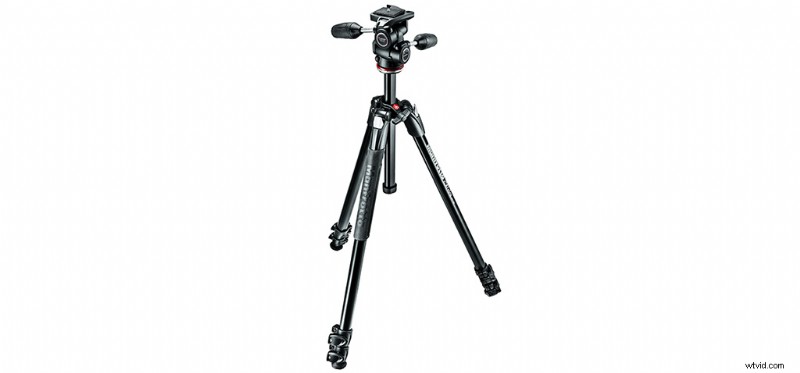
Whether you’re going to be shooting interviews or capturing on-location shots, you’re going to need a tripod at some point. The trick is finding one that’s as tough as it is easy to carry around. Consider the weight as well as the size of your camera first. So, if you’re shooting on a RED, Sony FS7 or maybe an Ursa Mini, I’d recommend you go with something that offers a little more support, like the Manfrotto 546GB. Capable of holding up to 44 pounds, this aluminum tripod is relatively lightweight for the stabilization it offers larger cameras. For smaller setups, such as your DSLR, you can’t go wrong with this Manfrotto classic.
Manfrotto 546GB — $568.88
Manfrotto 290 Xtra — $179.88
Aputure Amaran AL-528S
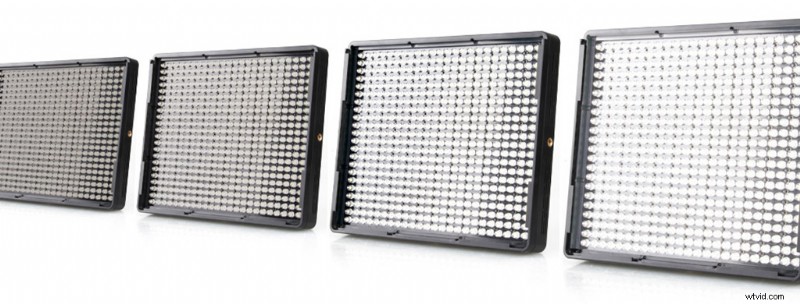
One of the unfortunate facts of filming a documentary is the immediacy of literally everything you’re shooting. You’ll often find yourself in situations that require a rapid gear load out and camera setup. Most memorable shots will happen on the fly when you’re capturing real life and showing your audience true reactions from real people. This means you won’t get the luxury of setting up lights for beautifully composed shots like you would on a narrative film. The AL-528S can work as your documentary key light. It’s light, battery-operated, and it doesn’t require a light stand.
If you’re working with a 5D, GH5 or Sony A-series camera, the Aputure Amaran AL-H198 or the Ikan Micro Flood Light are both solid, portable lights that are small but pack a punch right on top of your camera.
AL-528S — $179.00
AL-H198 — $59.00
Micro Flood Light — $52.95
Rodelink Wireless Kit
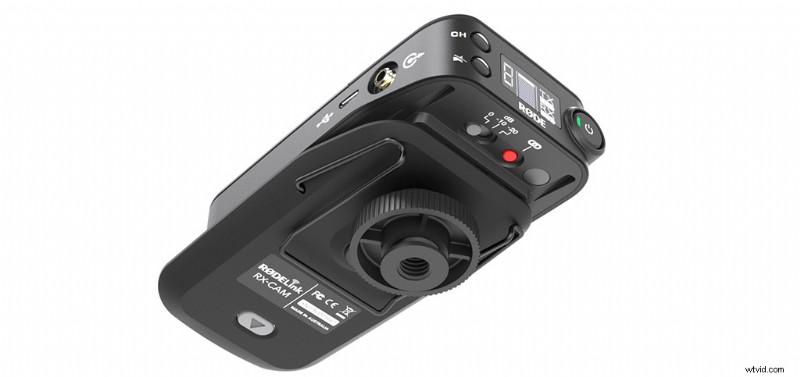
If you’re shooting a documentary you’re most likely going to need to interview someone along the way. Given the importance of voice-overs and talking-head excerpts crystal clear audio from your subjects is key. For this, I’d recommend a quality lavalier microphone like the Rodelink Wireless Mic.
Even when interviews are clearly staged, a mic clipped to a collar usually isn’t very visually appealing. Hiding the mics creatively is an art form in itself, but practice makes perfect. If you’re in public trying to capture multiple people having a real interaction with no time to properly mic up, the Rode Mic Video Pro is a perfect solution for last-minute scrambles.
Rodelink Wireless Kit — $399.00
Rode Mic Video Pro — $229.00
My Passport Wireless Pro
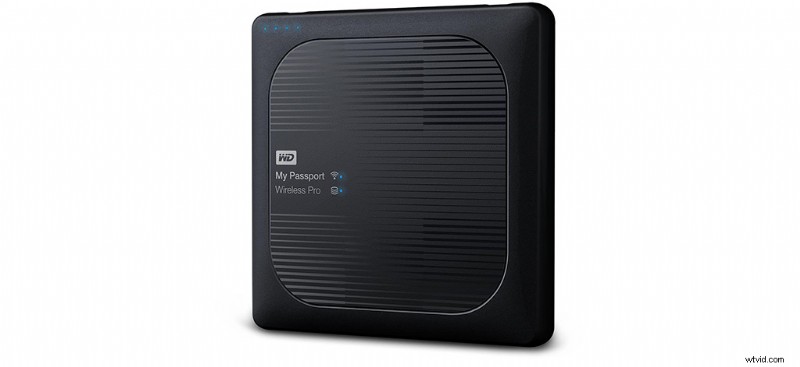
Perhaps the most important piece of equipment next to the camera is a durable, reliable hard drive. Dumping footage at the end of the day — without losing said footage — can be a real challenge, and sometimes, it’s out of your control. Hard drives crash, and SD cards go missing, but if you have a dependable hard drive that is not only safe but also fast, you can save time on location. The Passport Pro is a shining example of how easy it can be to dump footage. Equipped with an SD card reader, the drive also serves as a charger for your phone or other USB devices.
My Passport Wireless Pro — $179.99
SmallHD FOCUS Monitor
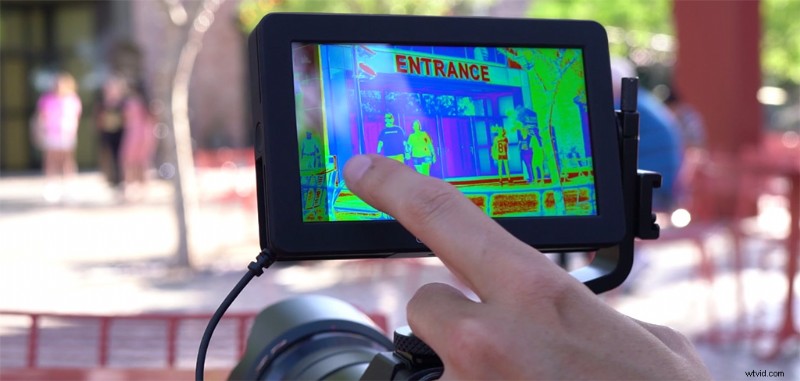
At NAB 2017, SmallHD unveiled their new 5-inch micro HDMI monitor, making daylight shooting a whole lot easier with an 800-bit display. A trustworthy monitor on a shoot is huge, and chances are you might be working alone. This little monitor is here to make your job easier by giving you more control over your image while presenting options to change the light settings or composition of your current shot.
SmallHD FOCUS — $499.00
For more insight into the ins and outs of documentary filmmaking, check out the following articles.
- Free Templates, Forms, and Resources for Documentary Filmmakers
- Best EF Lenses for Documentary Filmmakers
- Tips for Documentary Interview Camera Setups
- Best Digital Cameras for Documentary Filmmaking
- Best Film Festivals for Documentaries
- A Complete Guide to Documentary Filmmaking
Top Image by optimarc.