
Oh, the perils of documentary filmmaking. Where should one begin when trying to recommend lenses for fellow documentarians? There’s just so much to consider, and every documentary is different. So before we get into lenses, let’s narrow down a few things.
Documentary filmmaking, unlike narrative filmmaking, is by its nature very uncontrolled, improvisational, and open. While you might set up interview dates and times beforehand, you have no way of knowing what the conversation will yield. Further, trying to capture organic footage, as the action happens, can be perilously difficult if you’re not flexible and prepared with adaptable gear.
As such, one of your most important decisions when starting a documentary project is which lens or lenses you plan to use to ensure the best coverage possible. Let’s explore five EF documentary lens options to consider before your next shoot.
CANON 17-55mm f/2.8
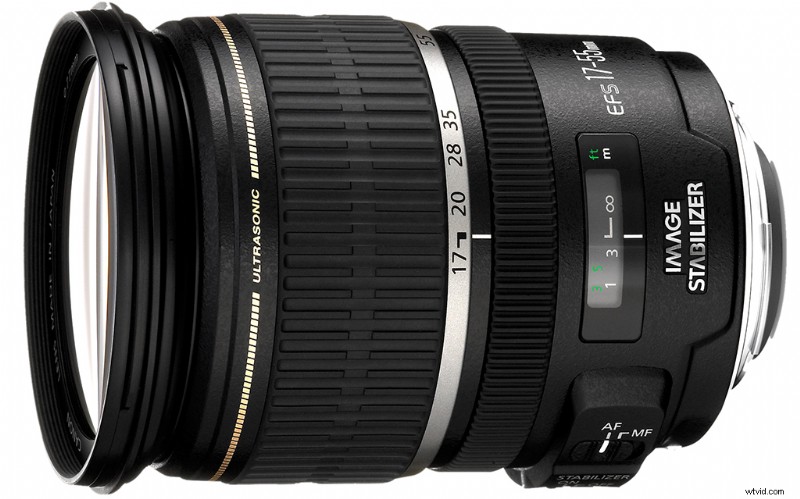
Since coverage is one of the important factors in your decision, a flexible, wide-to-medium-angle z0om lens like Canon’s 17-55mm is a great place to start. It should be wide enough to work with your crop sensor cameras yet still be useful on a full-frame like the Canon 5D. Set at 2.8, it’s not the fastest lens in the world, but for a zoom in controlled and bright settings, you’d be hard-pressed to do much better.
Price: $799
Sigma 18-35mm f/1.8
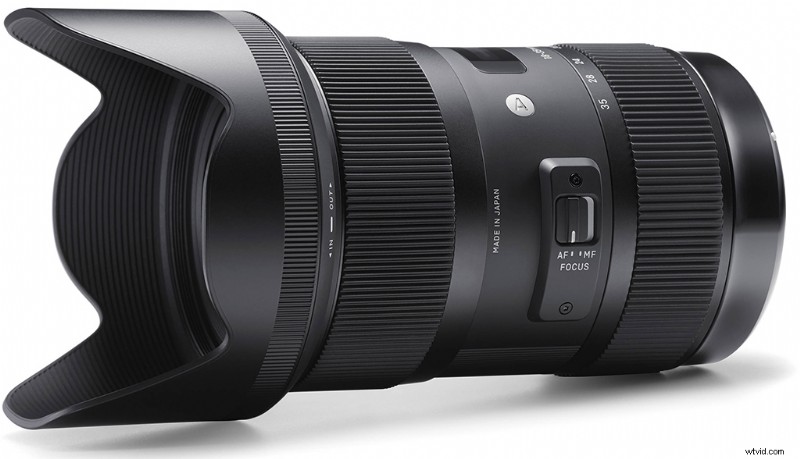
If you are, in fact, on a crop sensor camera that necessitates working as wide as possible, Sigma’s 18-35mm is a great option that offers better low light and cinematic looks at 1.8. If you’re full-frame, or use a different array of cameras, this lens speed combined with some wide zooming is still a great option for documentaries where you’re up close to the action.
Price: $799
Rokinon 35mm f/1.5
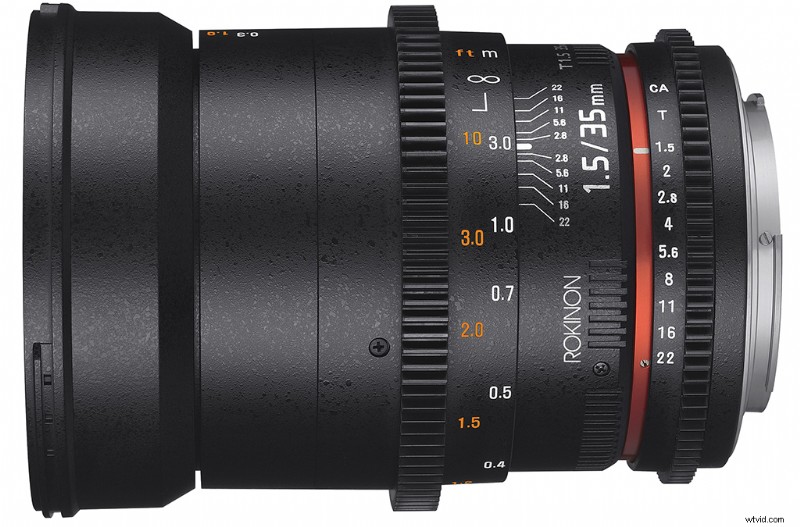
For the best wide-angle documentary filmmaking, Rokinon’s fixed 35mm will give you the most speed and shallowest depth of field for those looking for the crispest image quality. The 35mm on different cameras can act close to a medium (or even long) lens, but it should always give you a standard feeling and good coverage of action and events.
Price: $425
CANON EF 50mm f/1.8
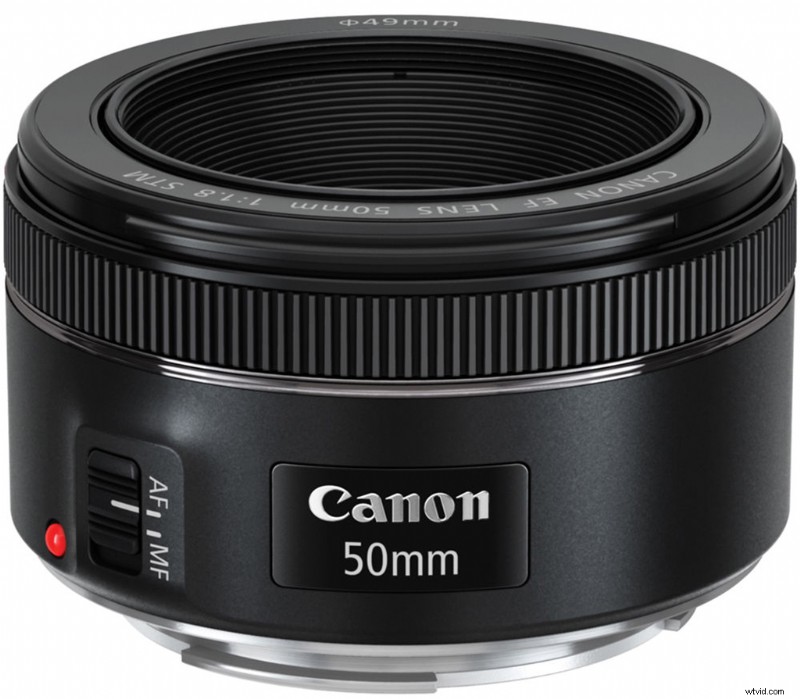
A favorite of documentarians for close-ups and more stylized insert shots (as well as greater speed in dark environments), a strong 50mm (or “nifty-fifty”) should be in every documentarian’s bag. Canon’s 1.8 is a great lens, but you can always go much faster if you’re willing to spend more. However, for the occasional use, you can get great footage from this lens.
Price: $125.99
Rokinon 85mm f/1.5
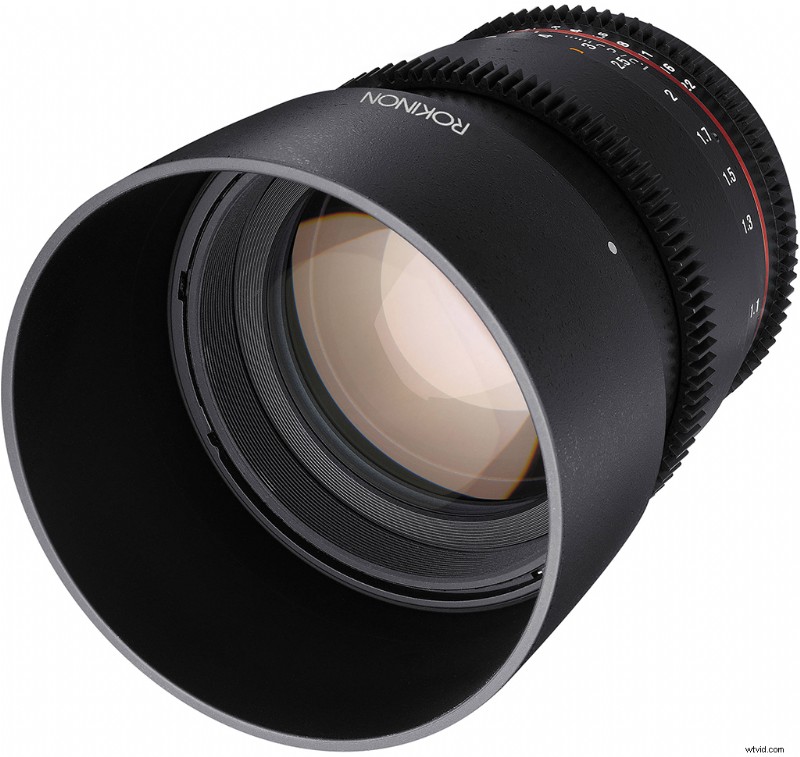
A true macro lens (compared to the 50mm), Rokinon’s 85mm packs a close-up punch that lends a tight, cinematic quality to your image that you won’t find with a wide. Especially great for interview setups and filming more static and controlled footage, the 1.5 85mm is a game-changer for turning a run-and-gun documentary into a serious film.
Price: $299
Canon EF 70-200mm f/4L
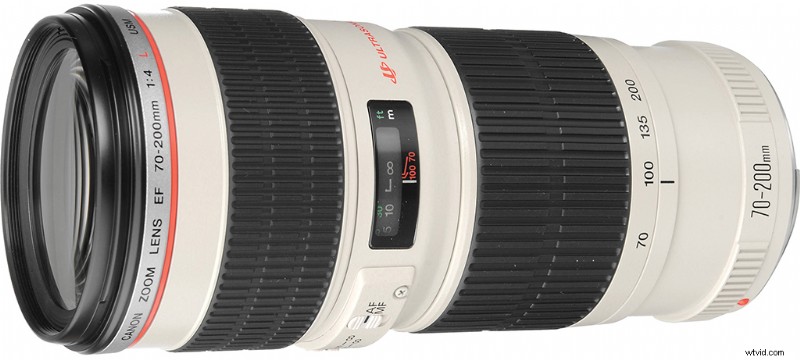
While not a necessity, a strong zoom long lens can still be a great addition to any documentary project where up-close-and-personal coverage is not an option. The zoom up to 200mm is huge, and it comes with surprising clarity and speed, which can make long shots look stylized and controlled. This lens is great for one-day or weekend rentals.
Price: $599
Top image by nopthanon pimphat.