
Forced perspective is an age‑old practical effect that can elevate low‑budget filmmaking with creative scale manipulation.
What is Forced Perspective?
Forced perspective works by strategically positioning subjects along the camera’s z‑axis, altering the viewer’s perception of size. By placing a larger object or actor closer to the lens and a smaller one further back, you can make the larger item appear proportionate or even larger than reality would suggest.
For instance, the classic Ames Room demonstrates the principle: a trapezoidal space creates the illusion that people inside are of differing sizes, even though they’re the same height.
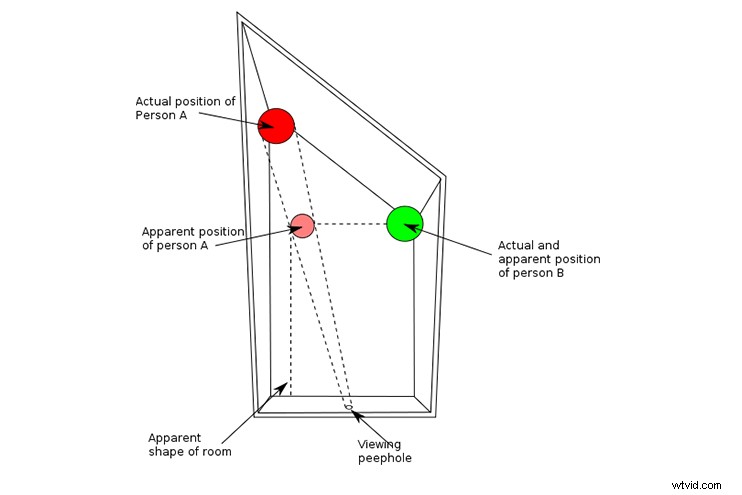 Ames Room via Wikipedia
In film, you don’t need a full Ames Room—often a few oversized props or careful staging does the trick.
How Is Forced Perspective Used?
Beyond the ubiquitous tourist‑with‑monument shots, forced perspective allows directors to blend miniatures into live‑action footage. The result is a convincing life‑size illusion without expensive CGI.
Comedic examples, such as The Kids in the Hall’s “Crushing Your Head” skit, showcase how the technique can add humor while keeping production costs low.
The Kids in the Hall “Crushing Your Head” via CBC
Vashi Nedomansky demonstrates how a toy Hummer can look real on screen by placing it in the foreground and filming it against a realistic background.
Low‑Budget Visual Effects via Vashi Nedomansky
Photographer Michael Paul Smith recreates his hometown of Elgin Park with miniature cars and forced perspective, producing images that feel like mid‑20th‑century snapshots.
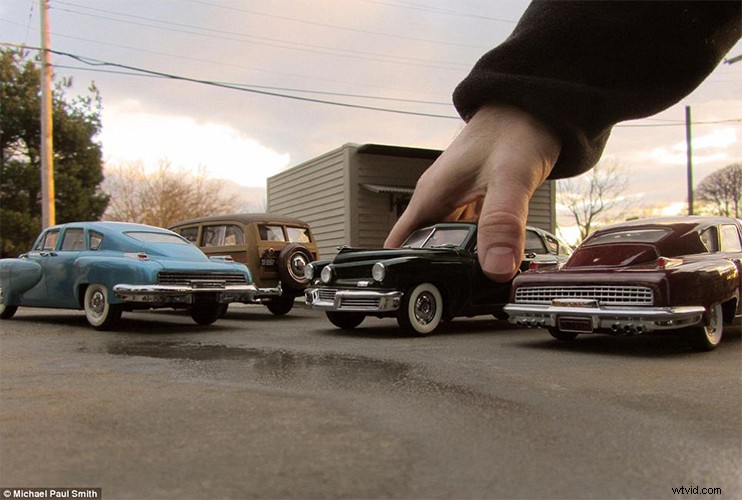
The Giant Hand via Michael Paul Smith
People Large and Small
When characters of different sizes interact, forced perspective is invaluable. Place the larger character nearer to the camera and the smaller one farther away. The trick is to maintain realistic eyelines—characters should appear to be looking at each other, even if they’re not physically able to.
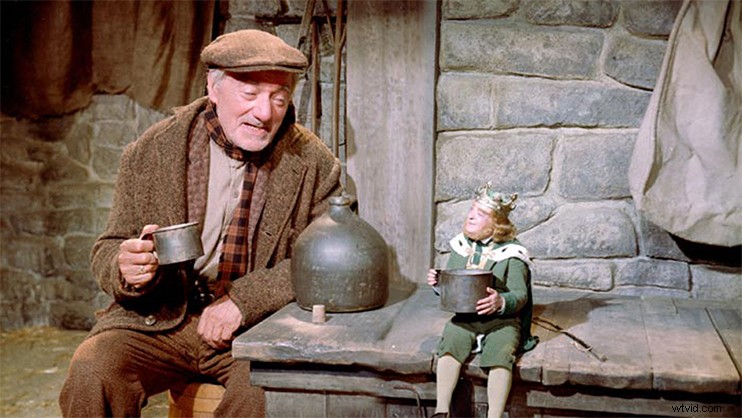
Darby O’Gill and the Little People via Disney
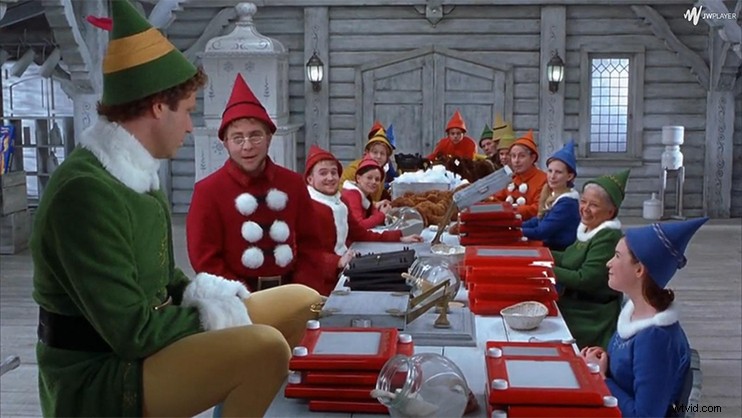
Elf via New Line Cinema
Film Magazine’s Episode 5, featuring Tyler Haslett on the Discovery Channel, offers a deep dive into maintaining natural eyelines while employing forced perspective.
Movie Magic Episode 5 – Forced Perspective via Tyler Haslett, Discovery Channel, and GRB
How to Do It
Choose a wide‑angle lens to maximize depth of field and exaggerate size differences. Shoot in bright, evenly lit conditions to allow a smaller aperture, keeping the entire frame sharp. A slight soft focus on one subject can also add visual interest without breaking the illusion.
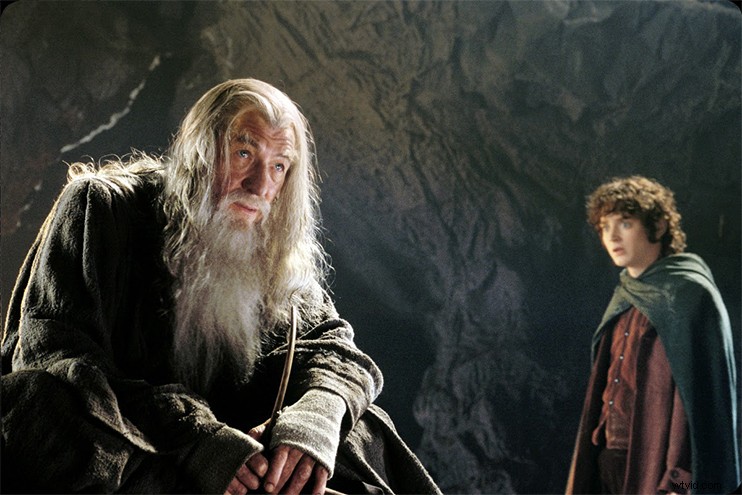
The Lord of the Rings via New Line Cinema
While many filmmakers stick to a static camera, the epic “Lord of the Rings” scenes moved the camera through the forced perspective set, requiring precise actor placement to preserve the effect.
A Cautionary Note
Forced perspective can be a double‑edged sword. Objects too close to the lens can dominate a frame, especially with a wide‑angle lens. Directors Brian De Palma and cinematographer Stephen H. Burum masterfully balanced this in “The Untouchables,” where Kevin Costner’s hands match the size of his head.
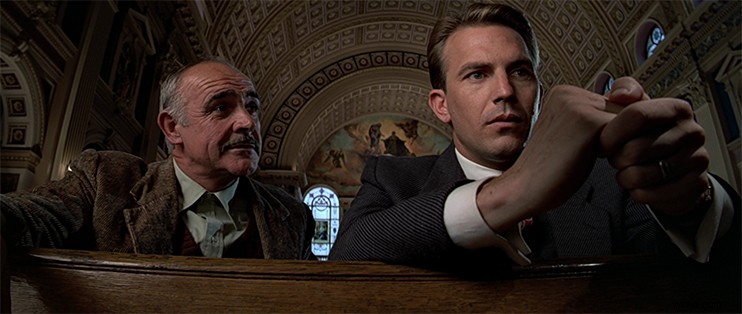
The Untouchables via Paramount
Tromp l’oeil
Tromp l’oeil—French for “deceives the eye”—uses close‑up paintings or matte paintings to create an optical illusion. Classic examples include Chaplin’s trick work and the iconic scene from Singin’ in the Rain.
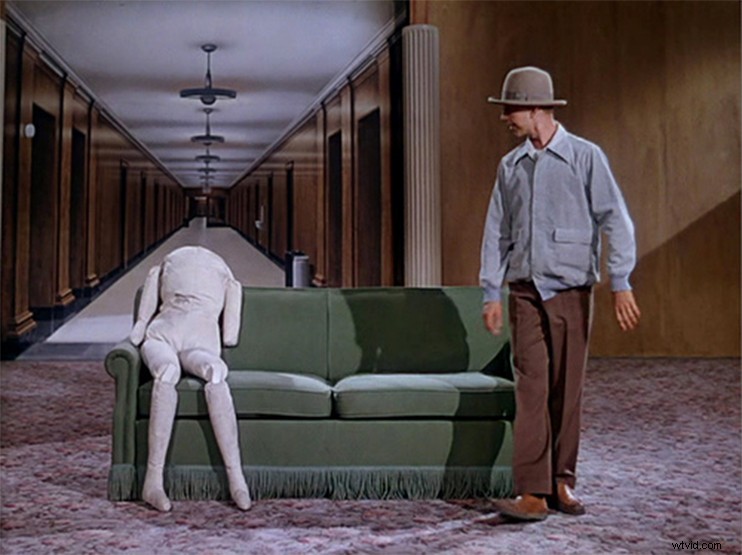
Singin’ in the Rain via MGM
Modern filmmakers like Roy Andersson still favor tromp l’oeil for its tangible, handcrafted feel, as seen in Songs from the Second Floor.
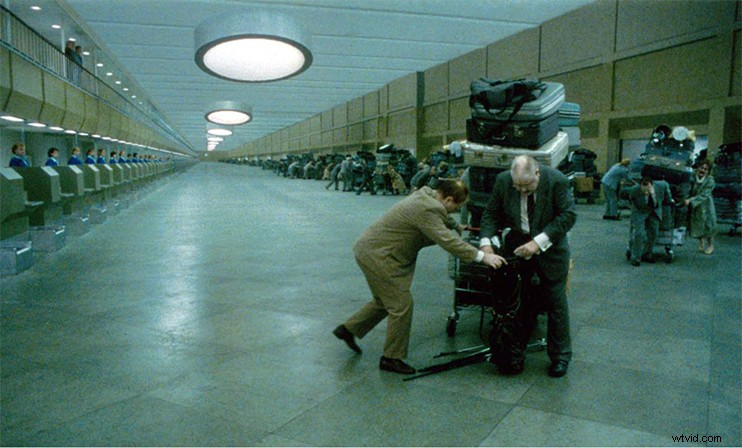
Songs from the Second Floor via New Yorker Films
Conclusion
Understanding forced perspective empowers filmmakers to merge miniatures, live actors, and set pieces into seamless, believable scenes—without expensive post‑production work.
Top image via Focus Features
Explore additional resources below:
- A Guide on Soliciting Feedback and Review for Film Drafts
- Three Quick Tips for Filming in the Midday Sun Without Diffusion Tools
- Davinci Resolve Cloud Editing Workflows: All I Could Hope For
- Is VR Filmmaking the Future of Storytelling?
- The Best Compact Studio Monitors In 2022