
The period piece transcends genre—it's a filmmaking philosophy that demands meticulous authenticity and immersive storytelling.
Actors love period pieces because they provide a chance to immerse themselves in historical research, inhabit a bygone era, and deliver nuanced performances that resonate with contemporary audiences.
While at first glance a period piece might appear simply to be a film set in the past, its true depth lies in how it balances historical accuracy with dramatic storytelling.
What Is a Period Piece?
A period piece is defined by its setting in a specific historical timeframe rather than by the conventions of a single genre. Unlike the clear tropes found in Westerns, science fiction, or horror, period films rely on accurate depictions of the era’s social norms, language, fashion, and technology.
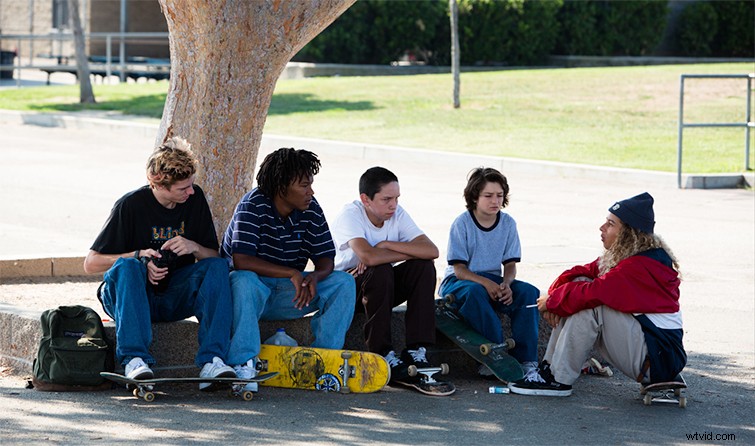 2018’s Mid90s is a period piece that follows a young teenager in L.A. during the mid‑1990s. (Image via A24.)
Because the defining feature is time rather than narrative type, a period film can span any decade—from the 1990s to the 14th century—and still share a common classification.
Within the broader category, filmmakers often identify sub‑genres that add further structure and audience expectations.
Different Kinds of Period Pieces
Biopic
A biopic focuses on a real individual’s life, tracing key events from birth to death or a pivotal moment. The challenge lies in condensing a complex life into a feature‑length narrative while preserving authenticity.
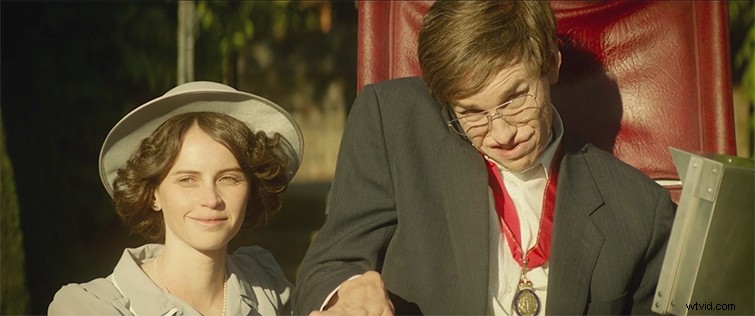 Felicity Jones and Eddie Redmayne starred in The Theory of Everything (2014), a biopic about physicist Stephen Hawking. (Image via Focus Features.)
Notable biopics include A Beautiful Mind, Lincoln, Chaplin, Gandhi, and Malcolm X, each illustrating how to balance historical fidelity with compelling drama.
Costume Drama
Costume dramas are the quintessential period piece, relying on meticulously designed sets and wardrobes to recreate a specific era. While the story may be fictional, the visual authenticity transports viewers back in time.
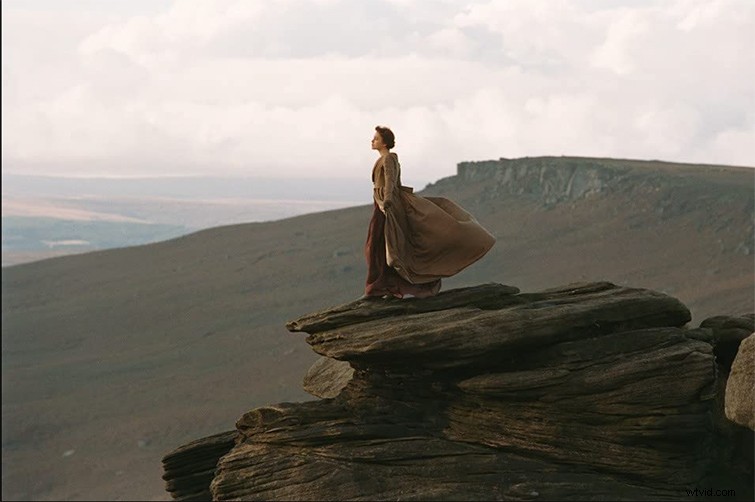 Keira Knightley stars in Pride & Prejudice (2005), adapted from Jane Austen’s novel. (Image via Universal.)
These films frequently garner Oscars for Best Production Design, underscoring the importance of production values in period storytelling. Examples include Downton Abbey, Gone With the Wind, and Little Women.
Historical Romance
When a period piece centers on a romantic narrative, it becomes a historical romance. Although often a costume drama, the primary focus remains on love stories set against a specific historical backdrop.
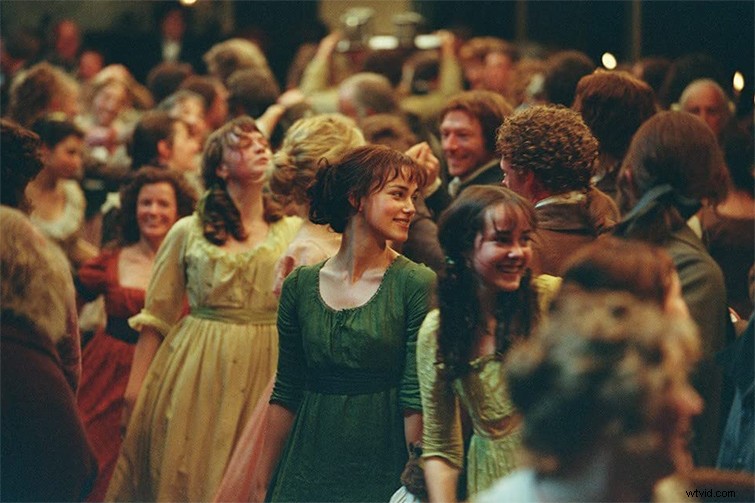 And, we’re back to Pride & Prejudice. Not all costume dramas are historical romances, but most historical romances are costume dramas. (Image via Universal.)
Films such as Atonement, Doctor Zhivago, and Titanic exemplify how romantic plots can illuminate larger social dynamics of their eras.
Historical Epic
Historical epics combine large‑scale production with events that shape history, often featuring sweeping battles, complex characters, and political intrigue. While many are also costume dramas, they root their narrative in documented historical moments.
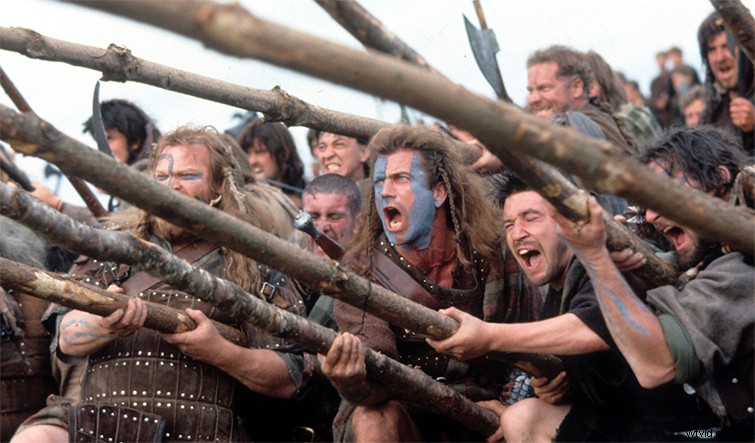 Braveheart (1995) is a great example of a historical epic that also incorporates elements of costume drama and historical romance. (Image via Paramount.)
Prominent epics like Ben‑Hur, Gladiator, and Seven Samurai demonstrate the genre’s capacity to combine spectacle with substantive storytelling.
Notes for Filmmakers
Period pieces demand a commitment to consistency. Whether you opt for historical fidelity or deliberate anachronism, the chosen approach must remain coherent throughout the film.
Audiences scrutinize period details; inconsistencies can break immersion and invite criticism. Thorough research and a clear creative vision are essential.
Budgetary considerations are significant—authentic sets, costumes, and locations can inflate production costs. Plan accordingly and allocate resources to the areas that most impact audience perception.
Even films that play with anachronism, such as A Knight’s Tale, remain true period pieces because their historical setting anchors the narrative. Maintaining that anchor is key.
In summary, whether you’re crafting a biopic, costume drama, historical romance, or epic, the guiding principle is authenticity backed by strong storytelling.
Interested in exploring other genres and sub‑genres? Check out our guides below:
Cover image via Lantern Entertainment.- The Life and Times of the Kung Fu Film
- The Space Western — Genre’s Unwanted, Weird Cousin
- The Superhero Film: A Guide for Superfans
- The Indie Filmmaker’s Guide to the Western
- The Filmmaker’s Guide to the Apocalypse
- Making Your Own Fantasy Film: A Field Guide
- How to Speak Science Fiction: A Field Guide