
These versatile lenses continue to be high-performing video production assets.
The Zeiss Otus line of lenses have been on the market for a few years; however, I recently rediscovered them as I was looking for a quality lens option for a project that needed something more affordable than traditional cinema lenses. After reading numerous reviews, watching comparison videos, looking at stills, and seeing multiple charts, I believe these lenses will benefit any project.
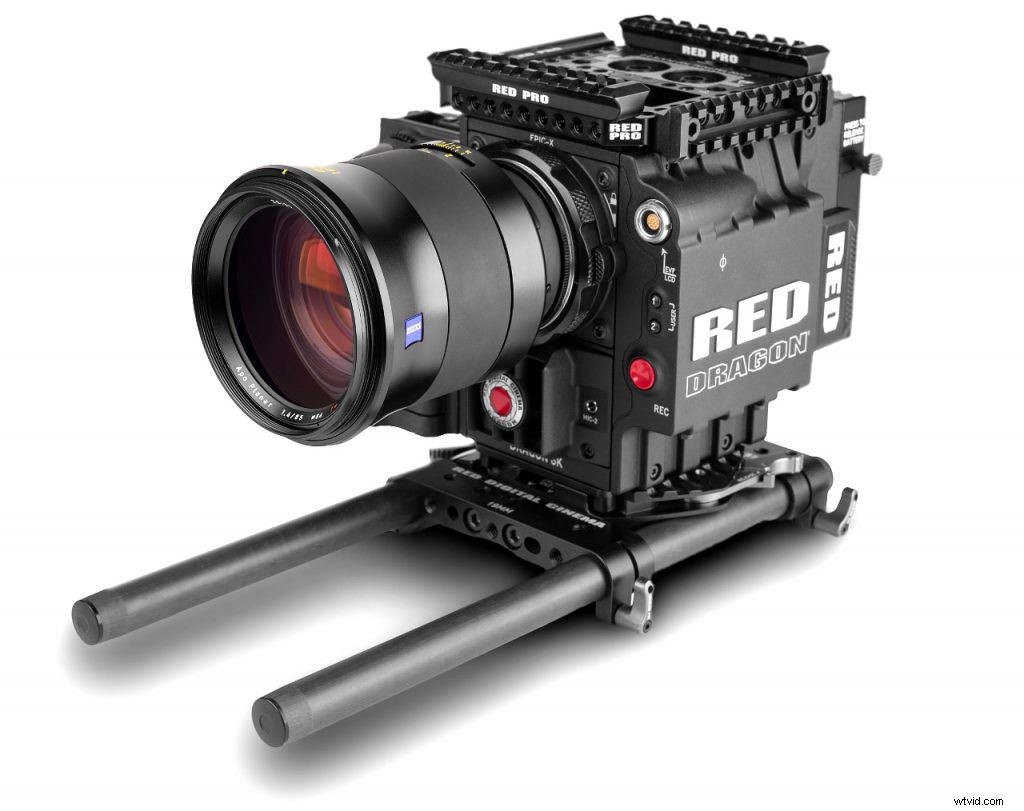
Sharpness
Simply put, these lenses are sharp. Each of the three lenses in the lineup features an F/1.4 aperture, and they are surprisingly sharp, even wide open. Most other lenses I was considering were very soft when wide open. Since I had night scenes coming up, I knew I would want a lens I could run wide open, if needed. After looking through numerous charts, the Otus line simply blew me away. You can view some charts here at The Digital Picture to exactly see just how well these lenses perform at F/1.4 compared to a Canon still lens option.
Cinema Lens-Like Qualities and Features
A huge advantage these lenses have over other still lens options is a 0.8 gear, 32 pitch, and 300-degree barrel rotation. These lenses will feel and function like a traditional cinema lens, so you or your AC wont have difficulty pulling critical focus. Also featured are hard stops, which makes these lenses feel even more like a true cinema option. You can also attach a Cool-Lux LuxGear focus ring so you can easily attach the lens to any follow focus, making this even better for cinematic applications.
Consistency
Much like the Arri Master Primes, these lenses feature a consistent aperture across the entire family. This is extremely useful when switching lenses because you do not have to adjust exposure for a lower focal length. Also notable is that these lenses perform extremely well across the entire image. Many lenses will lose their sharpness around the edges. However, the Otus line maintains great sharpness across the entire picture. You can view examples of this in the video below.
Conclusion
These still lenses, crafted for video, should be strong contenders for your next shoot. They feature exceptional sharpness and cinema lens-like features, and they capture beautiful images. My only hope is that they’ll make more focal lengths.
Have you used the Zeiss Otus line of lenses before? Let us know in the comments.