
Aspects ratios are more than just the shape of your visuals onscreen. They help viewers interpret and relate to what they’re seeing.
When you’re planning a video project, aspect ratio is one of the first decisions you need to make. Are you going to go full frame or widescreen? Should you film in 4:3 or vertical video? Why?
Making informed decisions about your aspect ratio can improve the style of your story and create a dynamic contrast between shots and scenes. In this video tutorial, I go over my favorites as well as some new ones you can consider for your next project.
Full Screen (1920 x 1080)
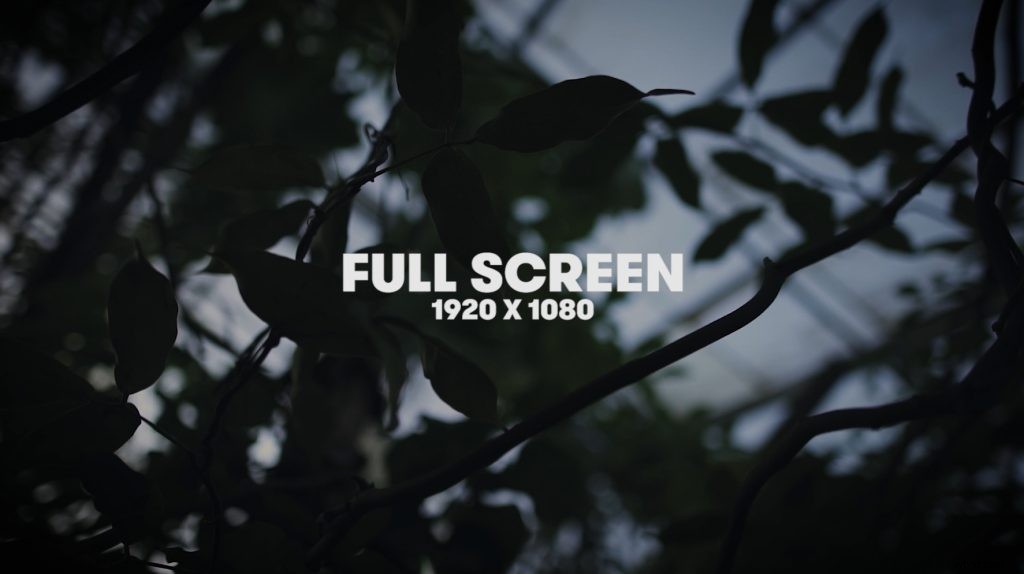
Full screen is a common aspect ratio shared by narrative films, documentaries, and even online video. (This tutorial is, itself, shot in full screen.) Full screen captures the largest amount of data and is, perhaps, the easiest for your audience to watch without realizing that they’re watching anything. It offers a lot of detail and plenty of potential for manipulation in post-production, if you need it.
Wide Screen (2.35:1)
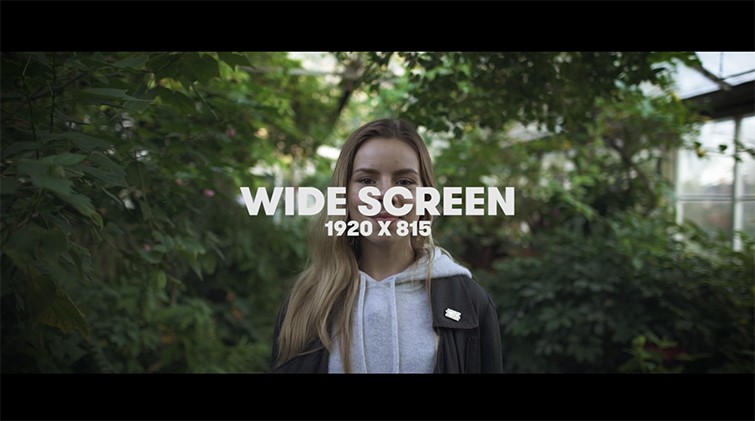
The wide screen ratio is a dynamic option that gives you a bit more control over your viewers’ experience of your footage. Because it limits the field of vision both above and below a horizontal axis, the audience’s eyes move less around the composition, allowing you to tighten focus and attention on particular narrative elements. This ratio is most common for narrative projects, but it can lend a cinematic flair to just about anything you’re working on.
4:3
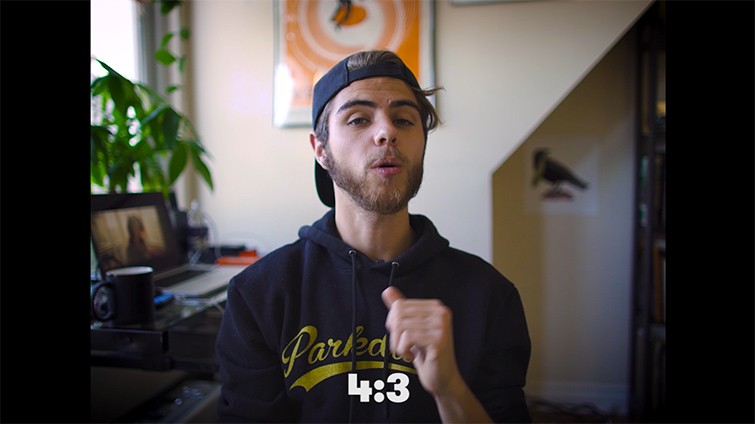
This is the aspect ratio people saw every night on television before the advent of widescreen TVs. Its limited field of vision means that your audience will be largely singularly focused on one particular element of your composition at a time — unlike a full frame or widescreen shot, which allows them to travel a bit around the composition. This aspect ratio is great for throwback projects or even simply to bring greater attention to your subjects.
Vertical Video
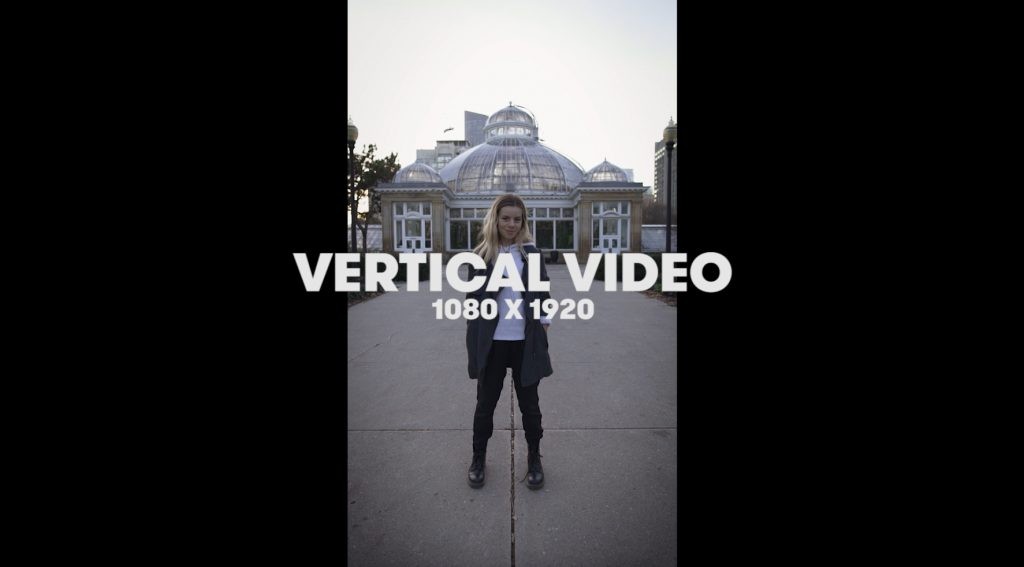
This is the newest aspect ratio on the filmmaking block. It’s what we see when we pull up our camera phones, and, frankly, its potential is still something we’re discovering. While many purists will tell you that doing anything as a vertical video is a sin, more and more often, your viewers will be consuming your content on the internet, which doesn’t care as much about classic proportions as we, as filmmakers, might like it to. So jump in on this aspect ratio while it’s still new, and see if you can’t be part of leading its innovation.